


 Shkruar nga Farah N. Jan
Despite cautious optimism, the Washington-Tehran talks are starting on a fragile footing and with conflicting expectations. The main actors do not even agree on the meaning of “the end of the war,” which makes compromise very difficult. Instead of a solution, a series of temporary ceasefires is more likely.
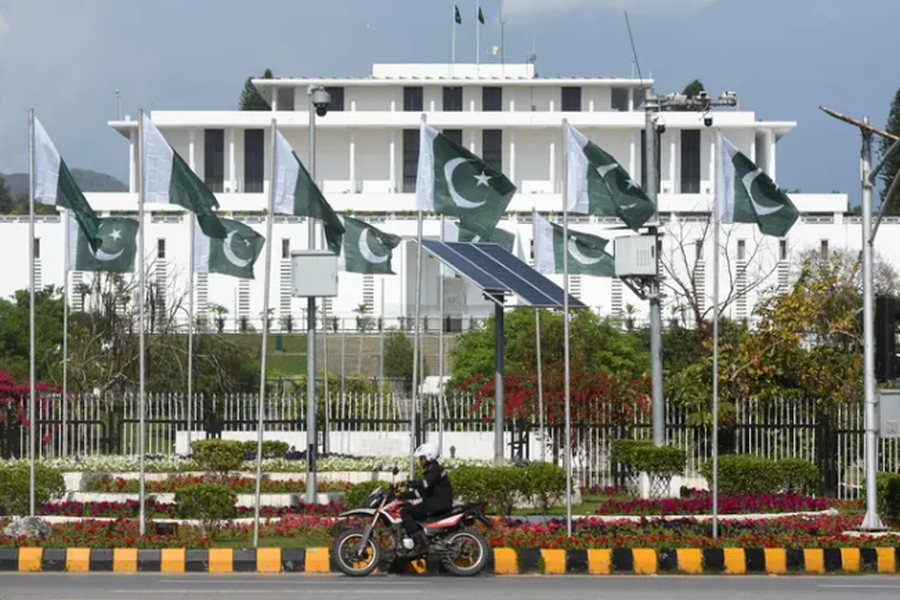
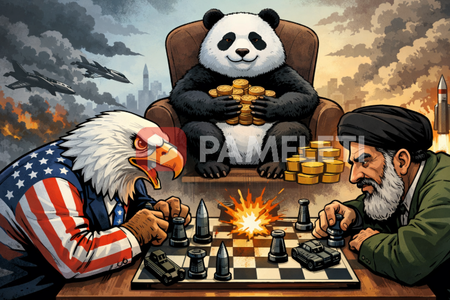
Iranian and American negotiators will sit down opposite each other in Islamabad on Saturday for the first direct talks since the war began on February 28. The meeting, brokered by Pakistan, is the first serious test of whether the April 7 ceasefire can be transformed into something more lasting.
However, the obstacles ahead are formidable. Both the US and Iran have declared victory and insist that the talks be held on their terms. Meanwhile, Israel has continued its bombing campaign in Lebanon.
When Pakistan is included in this equation as a mediator, then we have four actors, each with a kind of veto over the end of the conflict, and none of them fully agreeing on what "the end of the war" means.
To understand this, we need to look beyond this weekend's diplomatic choreography and look at the deeper dynamics that make reaching a lasting agreement so difficult.
The problem of negotiations
Scholars of ending wars argue that conflicts end when both sides find a negotiated solution that they prefer to continuing fighting. And that idea sounds simple, until you confront the structural obstacles that have made this war so difficult to resolve.
Three main mechanisms explain this phenomenon. The first is the information problem. Wars are fought in part to discover what diplomacy fails to do: how determined each side is to achieve its objectives and how much it is willing to pay.
Six weeks of relentless attacks have made this clearer. Both sides now have a better idea of the US's resolve, as well as Iran's ability to withstand the blows without surrendering.
Second, the problem of trust is the biggest obstacle. Iran has accepted verification mechanisms before. The JCPOA agreement is a clear example. But the United States and Israel started this war while negotiations were still active, even at a time when mediators were talking about progress.
Today, neither side can offer credible guarantees. Iran cannot be sure that a new agreement will be respected by future Israeli governments, while Washington suspects that Tehran will not rebuild its capabilities once pressure is eased.
Propozimi amerikan me 15 pika e ndërlikon edhe më shumë situatën, pasi kërkon jo vetëm kufizime bërthamore, por edhe ndalimin e raketave balistike dhe vendos kushte që praktikisht prekin vetë regjimin. Irani i ka hedhur poshtë këto si të tepruara dhe të paarsyeshme. Në thelb, besimi u shkatërrua më 28 shkurt, kur bombat ranë mbi Iran ndërsa diplomatët ende po negocionin.
Mekanizmi i tretë është ndoshta më themelori: pandashmëria e çështjes. Njohuritë e Iranit për pasurimin e uraniumit nuk mund të zhduken, dhe sado e dëmtuar të jetë infrastruktura e tij, ajo nuk mund të verifikohet plotësisht pa një nivel aksesi që Teherani tashmë e refuzon.
Ose Irani ruan kapacitetin për një përparim të shpejtë bërthamor, ose jo. Ky nuk është thjesht një pozicion negociues, por një realitet strukturor që e bën të paqartë dhe të debatueshëm përfundimin e konfliktit.
Izraeli diktoi nisjen, por jo daljen nga lufta
Shtetet e Bashkuara dhe Izraeli e nisën këtë luftë së bashku më 28 shkurt. Por, siç kanë pranuar edhe zyrtarë amerikanë, zgjedhja reale e SHBA-së nuk ishte nëse do të hynte në luftë, por si do ta ndiqte partnerin e saj.
Llogaritë e Izraelit diktuan edhe opsionet e Uashingtonit. Kur një aleat i madh angazhohet pa kushte, ai në fakt i jep partnerit më të vogël më shumë fuqi për të përcaktuar axhendën. Dhe kjo vlen edhe më shumë për përfundimin e luftës sesa për fillimin e saj.
Kushti i Izraelit për mbylljen e konfliktit është më i larti nga të gjithë aktorët: jo vetëm një program bërthamor iranian i dobësuar, por një regjim i reduktuar në një rol të parëndësishëm strategjik. Ky objektiv nuk është arritur.
Kryeministri Benjamin Netanyahu do ta kishte të vështirë të pranonte një kompromis pa u përballur me pasoja serioze politike në vend. Kjo krijon një situatë bllokimi. Izraeli mund të pengojë një marrëveshje që nuk i pëlqen.
Dhe armëpushimi aktual, të cilin zyrtarët izraelitë e kanë konsideruar të pamjaftueshëm, tregon kufijtë e aftësisë së SHBA-së për t’i dhënë fund luftës sipas kushteve të saj.
SHBA ka levat materiale, por jo ato politike
Shtetet e Bashkuara hynë në këtë luftë pa një objektiv të qartë dhe të pavarur nga ai i Izraelit. Rrjedhimisht, ajo nuk ka një bazë të fortë për të shpallur fitore dhe për t’u tërhequr.
Uashingtoni ka adoptuar në thelb objektivat e Izraelit - dobësimin e regjimit dhe neutralizimin bërthamor - ndërkohë që përpiqet të paraqitet si palë negociuese me Teheranin. Kjo është edhe kontradikta në zemër të strategjisë amerikane: nuk mund të negociosh me një regjim që njëkohësisht po përpiqesh ta dobësosh apo rrëzosh. Luhatjet në retorikën politike - nga kërcënimet ekstreme deri te deklaratat optimiste për negociata - pasqyrojnë pikërisht këtë mungesë koherence.
Ndërkohë, po rritet presioni i brendshëm në SHBA. Mbështetja publike për luftën është e ulët, po ndikohet ekonomia globale dhe po rriten çmimet e naftës. Këta faktorë e shtyjnë Uashingtonin drejt një daljeje nga konflikti.
But the current ceasefire was brokered by Pakistan and relied on an Iranian proposal, showing the limits of American influence.
Iran knows how to wait.
Iran's public position has been consistent: regime survival and preservation of enrichment capacity. It does not aim for complete victory, but continuity. This is a much lower threshold than that of other actors and therefore even more achievable.
For the Iranian leadership, an agreement that looks like capitulation could be more dangerous than a protracted conflict, because it could pave the way for internal challenges to the regime's legitimacy.
This also explains the rejection of the American proposal. At the same time, international developments - political pressure in the US, the global economy and energy prices - are moving in a direction that gives Iran more time. And Tehran is willing to wait.
Three wars, three endings and a pause
The Iranian 10-point proposal suggests that Tehran is negotiating from a relatively strong position. What the current ceasefire shows is that this conflict will not end with a clear agreement, but with a series of fragile and contested pauses.
The problems of trust remain unresolved, and a two-week ceasefire does not change these realities. The pause may be short-lived, but the causes of the conflict are long-term. In the end, no one has really won, although everyone will claim otherwise.
And the next crisis may already be forming within the one we are living in today./ Pamphlet from “Responsible Statecraft”




Lini një Përgjigje