


 Shkruar nga Diplomatico | Pamfleti.net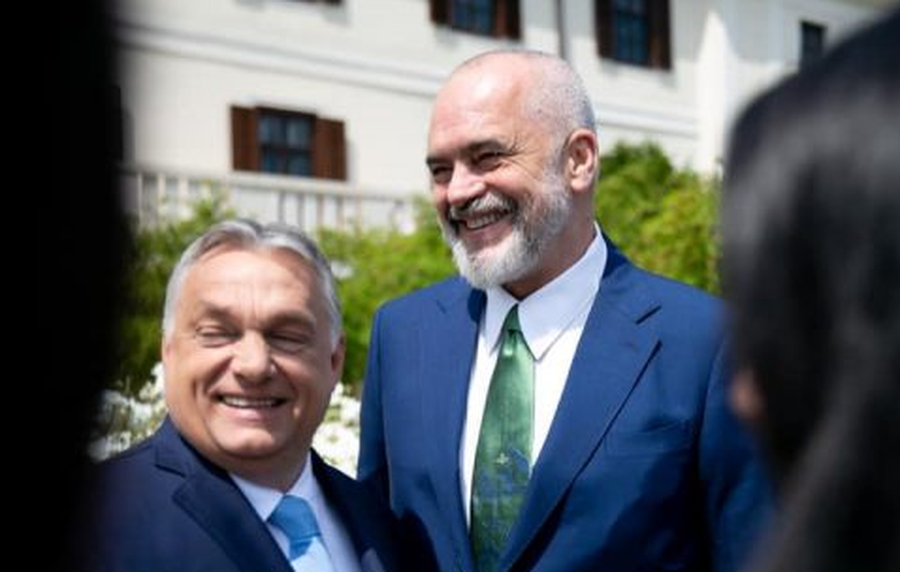
One sells himself as a pro-European socialist, the other as an anti-Brussels nationalist. But behind this facade, Edi Rama and Viktor Orban have built an alliance of interests, where Hungarian capital enters Albania's strategic sectors and the government strengthens its economic network...
It was the height of the COVID-19 pandemic, when the pages of Pamphlet wrote about the strange rapprochement between Albanian Prime Minister Edi Rama and Hungary's Prime Minister, Viktor Orbán.
In an interview with Edi Rama on Enrico Mentana's show on La7 television, the head of the Albanian government shocked the well-known Italian journalist with the strong defense he made of his Hungarian counterpart.
It was the time when the great clash of pro-Europeans in the EU began with the strongman of Budapest, who, in addition to his sympathy for Donald Trump, was also a friend and partner of Vladimir Putin.
Under the leadership of Angela Merkel, the European People's Party froze the membership of Orbán's Fidesz, considering it a more populist and Eurosceptic formation than a party that defends the values of a United Europe.
Edi Rama's Socialist Party, on paper, has all the attributes to be a strong opponent of Viktor Orbán's party and leadership, whether in Hungary, Europe, or the Balkans.
Orbán is a manipulator of fair political competition, who has damaged and destroyed the power of the Hungarian Socialist Party, one of the most progressive forces that has its roots in the anti-Soviet uprising of 1954 with Imre Nagy at the head, and then with Gyula Horni in the 1990s, which opened the door to a new Europe without walls and the embrace of political democracy.
Meanwhile, Orbán is a fierce opponent, even enemy, of Edi Rama's mentor, George Soros. He is very close friends with all the Albanian rivals in the region, starting with Aleksandar Vučić.
Viktor Orbán gave political asylum to Nikola Gruevski, the nationalist Prime Minister of North Macedonia, who bled his country's Parliament, putting Zijadin Sela in a coma, just so he wouldn't make an Albanian the speaker of the Parliament of North Macedonia.
All of these political attributes of Orbán create the panorama of a completely unfriendly field with a Socialist Party government in Albania.
But, surprisingly, it was precisely after his political radicalization that the friendship between Rama and Orbán became strong, even being publicly advertised as a "value."
In fact, Edi Rama boasted in various interviews that he has close friends with Soros, Orbán, Trump, and Erdogan.
Më vonë nisën vizitat e ngushta bilaterale të Edi Ramës në Budapest, apo të kryeministrit hungarez në Tiranë. Për shkak të kësaj miqësie, Edi Rama u sulmua fort politikisht nga aleatët e tij socialistë evropianë, prej të cilëve është totalisht i izoluar tashmë.
Po cila është arsyeja apo arsyet e kësaj miqësie krejt të panatyrshme?
Si gjithmonë, nëse duhet ndjekur një relacion politik, gjëja e parë që shikohet janë përfitimet.
Hungaria është vendi që ka arritur të hyjë në tregun ballkanik të komunikacioneve dhe atë financiar, duke pasur një pozicion mjaft kyç në disa vende: Serbi, Bosnjë, Kroaci, Maqedoninë e Veriut dhe në Shqipëri.
Depërtimi i influencës hungareze në Ballkan nuk ka ardhur si një investim i madh prej korporatave të rëndësishme dhe fuqishme të këtij vendi. Përkundrazi, në këtë depërtim dallojnë kompani që nuk kanë një traditë të konsoliduar në fushat ku Hungaria ka emër të mirë.
Hungaria është fuqi e rëndësishme dhe me emër në industrinë e automobilave, e sidomos të pjesëve të këmbimit: nga veturat, makinat e rënda, e deri te makineritë industriale, madje edhe vaporët, megjithëse nuk ka dalje në det. Por asnjë prej emrave të këtij sektori nuk ka investuar në Ballkan.
Hungaria ka qenë tradicionalisht lider në Evropën Lindore në industrinë kimike, por asnjë shtyllë e këtij sektori nuk ka investuar në Ballkan. Hungaria ka gjithashtu traditë në logjistikën e transportit të mallrave në të gjithë botën. Sërish, asnjë investim në këtë sektor.
Hungaria është gjithashtu një nga liderët evropianë të bujqësisë dhe industrisë ushqimore, ku ka një emër me shumë reputacion tradicionalisht. Sërish, asnjë investim në këtë sektor.
Por çfarë ka ndodhur? Në këtë depërtim, subjekte pa traditë dhe brend historik kanë investuar në Ballkan në tregun e mikrokredive, të spekulantëve të call center-eve, apo edhe në sektorë të tjerë të lidhur me to.
Ndërsa në Shqipëri, subjektet hungareze kanë hyrë me kokë në sektorët strategjikë, siç janë telefonia dhe interneti, si dhe bankat e nivelit të dytë.
Një konsorcium hungarez kontrollon kompaninë e parë (nga krijimi) të telefonisë celulare, si dhe një nga bankat e rëndësishme të përhapura në tregun e kredive dhe pasurive të paluajtshme.
Në mënyrë krejtësisht jotransparente, licenca e ish-AMC-së, të cilën Ilir Meta kur ishte kryeministër ua dha grekëve të Cosmote-së në 2002-in, iu transferua hungarezëve.
Në vitin 2017, në këtë kompani hyri gjigandi gjerman dhe evropian i këtij sektori, Deutsche Telecom, i cili është shtrirë fort në Ballkan. Por, krejt papritur, ata u larguan nga ky treg pa bërë shumë zhurmë. U tha nën zë se kjo ndodhi sepse nuk pati bilanc pozitiv.
Por në fakt nuk ishte kështu: gjermanëve nuk iu plotësuan kushtet e zgjerimit të aktivitetit, në mënyrë që të mos ecnin në një treg të vogël siç është Shqipëria, në një rreze të kufizuar. Nxjerrja jashtë e DTCom-it duket se ishte një strategji e mirëmenduar.
After the Germans left, the company was bought by two completely unknown Albanian entities, an operation that seemed like a financial bubble from the beginning. Then, what was predicted happened: a company linked to Viktor Orbán took over the first mobile operator, along with the oldest landline operator, which also had the right to be the third mobile operator. It also owned the most consolidated fiber optic internet connection network. So, the Hungarian consortium immediately received a huge favor from Edi Rama's government, as it was granted not one, but four operating licenses in the market: two mobile, one landline and an internet provider.
All of this clearly happened in a preferential manner, removing Ilir Zela from the leadership of AKEP, who seems to have resisted offering this transaction.
But the most suspicious part of this affair, or of all affairs involving Viktor Orbán, is the Russian trail of the money being injected, and consequently of those who benefit.
The company, which has roots in Albania, has been accused by various media outlets in its country of having Russian roots and connections with many invisible threads. Something that is noticeable in all other businesses in the Balkan countries, starting with Republika Srpska, Serbia and North Macedonia.
So, Edi Rama's relationship with Viktor Orbán seems to be simply a business relationship, where they increase their personal power and strengthen the economic influence of close circles, with whom they then win elections./ Pamphlet



Po ketu kuptohet qe eshte lepirje bythe! Dhe keta tanet e kane ne gjenetike lepirjen! Jane mjeshtra. Jua mesojne nonet qe ne djep ninullen e Lepirjes.
Edhe kollaren e ka zgjedhur si flamuri mikut.