


 Shkruar nga Pamfleti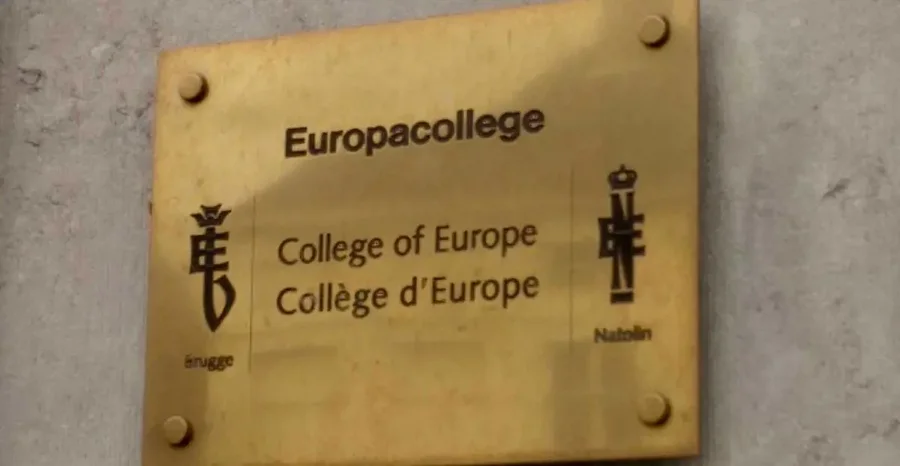
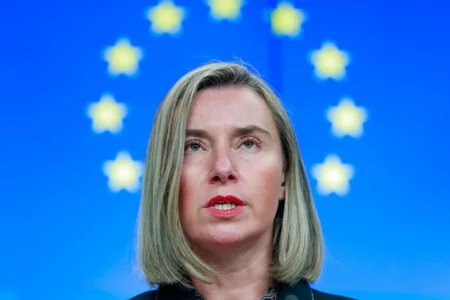
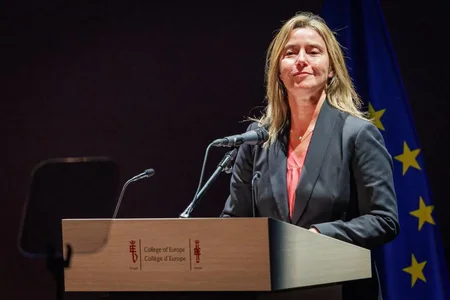
Federica Mogherini has been detained in Brussels, along with two other officials, as part of a fraud investigation related to EU-funded training for young diplomats.
The European Public Prosecutor's Office (EPPO) is conducting investigations at the College of Europe in Bruges, Belgium, and at the EU's European External Action Service (EEAS) in the Belgian capital.
But what are the College of Europe and the European External Action Service (EEAS)?
Many people are only hearing about them today. They are two distinct entities, but each of them plays an important role within the European Union. Here's what they are.
College of Europe
Founded in 1949 and based in Bruges, Belgium, the College of Europe has its origins in the Hague Congress of 1948. Prominent figures such as Salvador de Madariaga, Winston Churchill and Alcide De Gasperi agreed on the idea of having a learning place where young and eager graduates from different countries could study and interact, preparing to become first-class diplomats.
Bruges was proposed and the college was founded there. A school was later opened in Warsaw, Poland, in 1992, and another, most recently (2024), in Tirana, the capital of Albania. Admissions procedures are extremely selective. Only the best candidates are admitted, either through a recommendation from a national committee or if the candidate's country of origin does not have one. The college is funded by the European Union.
European External Action Service (EEAS)
In this case, we are talking about an institution responsible for the EU's foreign affairs. It is based in Brussels, Belgium, and was created by the Treaty of Lisbon, which officially entered into force in December 2010. This body, which supports the work of the High Representative of the Union for Foreign Affairs, can effectively be considered the European Union's Foreign Ministry. In essence, it manages the EU's foreign policy.
It is divided between the Commission and the European Council and enjoys considerable autonomy. Its current Secretary-General is Belén Martínez Carbonell.



Lini një Përgjigje