


 Shkruar nga Pamfleti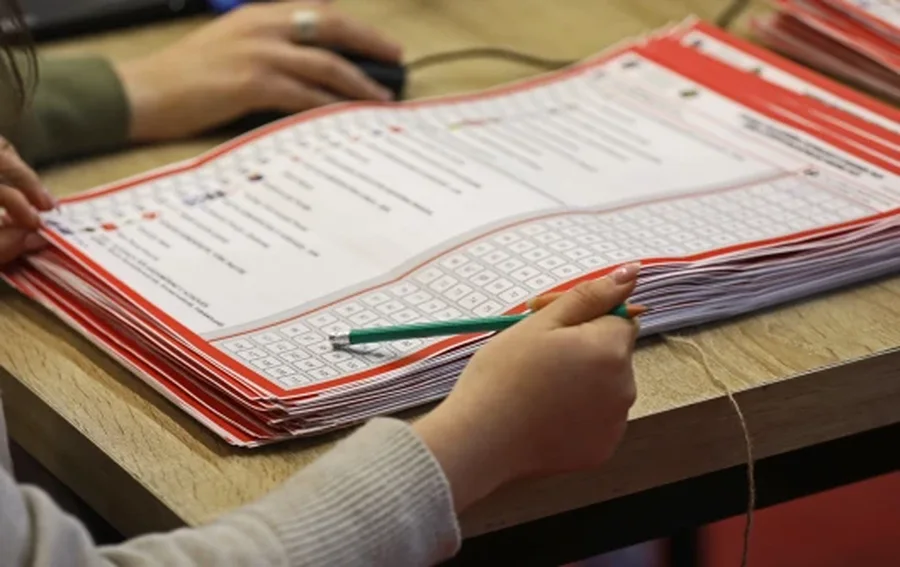
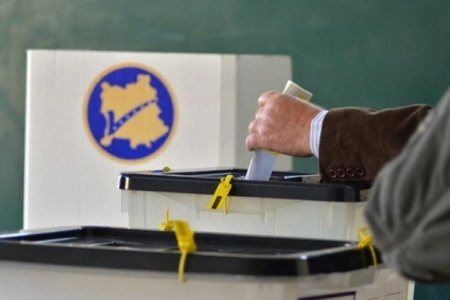
Within ten days, the process of counting all votes from the June 7 elections was completed, confirming the Vetëvendosje Movement as the leading political force in the country with 382,865 votes or 47.13 percent of the total.
According to the processed results, Vetëvendosje has secured 53 seats in the Assembly. The Democratic Party of Kosovo ranks second with 157,893 votes, or 19.44 percent, winning 22 mandates.
The Democratic League of Kosovo received 135,559 votes, which constitutes 16.69 percent of the total votes and translates into 18 parliamentary seats. Meanwhile, the Alliance for the Future of Kosovo won 54,731 votes or 6.74 percent, securing seven mandates.
The counting of mail-in votes, conditional votes, and those from the Voters with Special Needs Program also concluded on Wednesday, thus closing the vote counting phase.
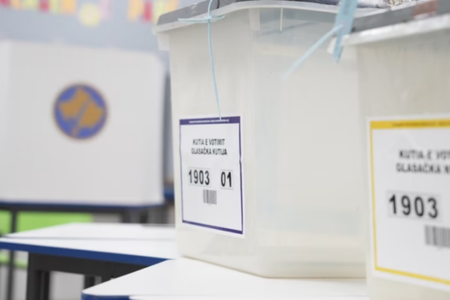
The next step in the election process is the recount. The Central Election Commission has planned to include about 8 percent of the ballot boxes in this process.
With this distribution of mandates, the Vetëvendosje Movement has the opportunity to form a government without the need for a coalition with other Albanian parties. However, for the election of the president, an issue that led the country to early elections, a broader political agreement is needed.
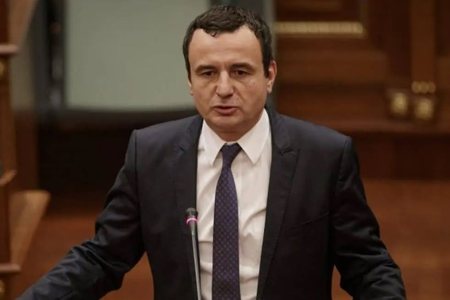
If the 53 Vetevendosje MPs are added to the 10 MPs from non-Serb communities, an agreement with the Democratic Party of Kosovo would provide 85 votes in the Assembly. This number is consistent with the position of the leader of the LVV, Albin Kurti, who had previously stated that a quorum of 85 or 86 MPs would guarantee a successful process for electing the president.
A collaboration between Vetëvendosje and the Democratic League of Kosovo would secure 81 votes, just one more than the constitutional minimum of 80 deputies required for the first and second rounds of voting for president.
On the other hand, the possibility of forming a government without Vetëvendosje appears more difficult. PDK, LDK and AAK together have 47 MPs and would need 14 more MPs to reach a majority of 61 votes.
Such a scenario would require, in addition to the support of non-Serb communities, the votes of the Serbian List. However, after the terrorist attack in Banjska in 2023, where Kosovo Police sergeant Afrim Bunjaku was killed, Albanian parties have avoided political cooperation with this entity. The former deputy leader of the Serbian List, Milan Radoićić, had taken responsibility for organizing the attack.
Also, LDK's presidential candidate, Vjosa Osmani, stated before the elections that the Serbian List remains a red line for political cooperation.
Before the new institutions are formed, the Central Election Commission must announce the final results and certify them. The CEC had planned to finish the count on June 21, but the process was closed four days early.
If no appeals are filed, the final results could be announced on June 22, while their certification is expected to take place on July 2.


Lini një Përgjigje