


 Shkruar nga Pamfleti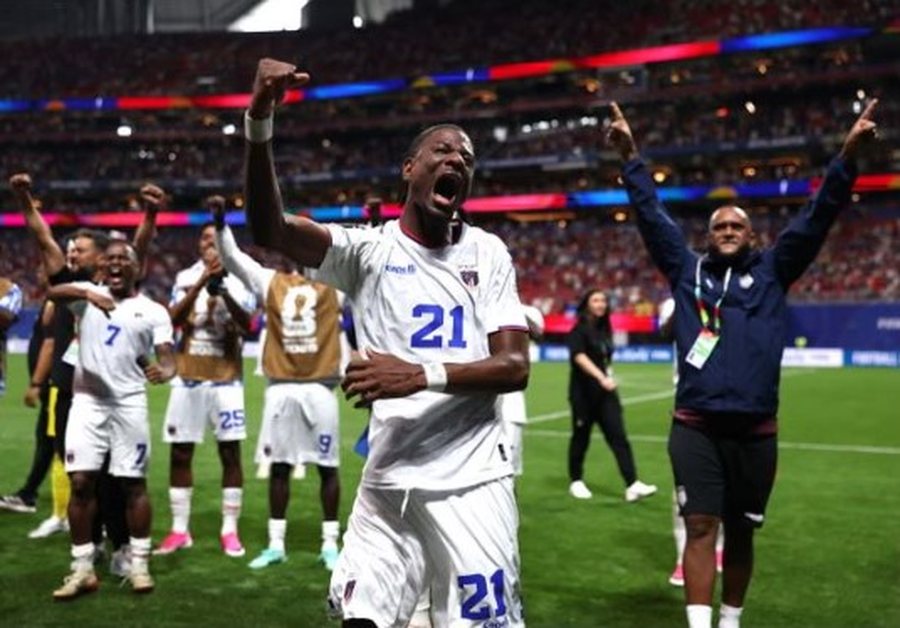
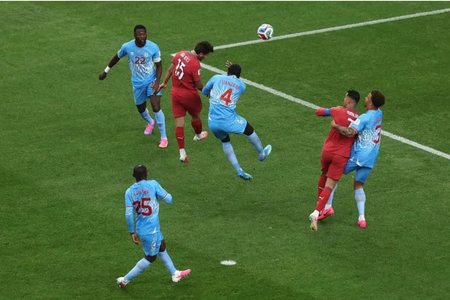
Cape Verde's historic draw with Spain at the World Cup has put the island nation's football back in the spotlight, sparking interest in how the domestic championship is organized.
Many fans still remember one of the most special moments in Cape Verdean football. In the 2022 National Championship final between Académica do Mindelo and Palmeira do Sal, the match ball was brought onto the pitch by a young man riding a donkey. The footage quickly went viral on social media and became a symbol of the country's unique sporting culture.
However, the uniqueness of football in Cape Verde is not limited to curious episodes. It is closely linked to the country's geography itself.
A championship built according to the reality of the islands
Cape Verde is made up of nine inhabited islands, each of which organizes its own regional championship. The number of teams varies from island to island, while in the most populated areas, such as Santiago and Sao Vicente, separate competitions are also held due to the larger number of clubs.
The winners of the regional championships, along with the reigning champion, qualify for the national final phase. In this phase, a total of 12 teams compete for the national champion title.
Travel between islands, the main challenge
The current format has been adapted mainly for economic and logistical reasons. Travel between islands remains costly and often difficult to organise, so the Football Association tries to reduce costs by holding matches in designated blocks and, when possible, on a single island.
For this reason, the season is divided into two clear phases: regional championships that take place on each island and the national final phase, which usually lasts about three months.
The connection between the domestic championship and the national team
Palmeira, the team that lost the famous 2022 final, managed to be declared champion of Cape Verde in 2025, adding another trophy to the club's history.
However, the domestic league is not currently the main source of players for the national team. The team that is excelling on the international stage does not include players who play in the domestic league, while only a few of them started their careers in the local leagues on the islands.
In this context, figures like 40-year-old goalkeeper Vozinja and 38-year-old defender Stopira remain symbols of the connection between local football and the success of the national team. Both were formed in Cape Verdean football and represent the bridge that unites the local championship with the achievements of the national team on the international stage.


Lini një Përgjigje