


 Shkruar nga Gjergj Zefi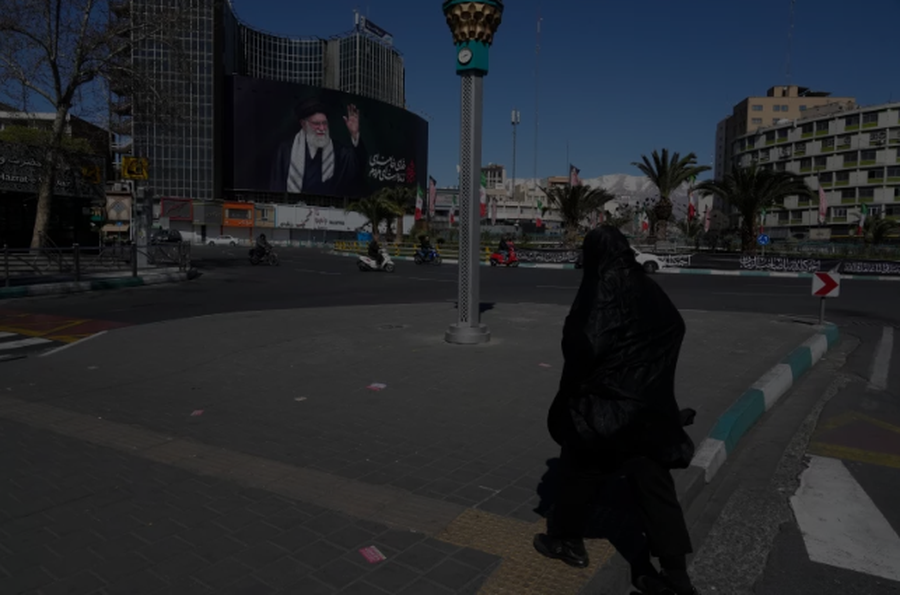
Four decades of state terror, proxy wars, and internal repression have produced millions of victims, while the West continues to foot the bill for a regime that the Iranians themselves tried to overthrow...
When millions of Iranians took to the streets of Tehran, Shiraz, Mashhad, and Isfahan after the assassination of Mahsa Amin in 2022, the West saw for a few weeks a scene it had not seen in decades.
An entire generation of Iranians did not demand reform. They did not demand concessions. They did not demand more bread or less inflation. They demanded the end of the Islamic Republic. They demanded the end of the ayatollahs' regime.
Today, four years later, the world is once again facing the same problem. Only now it's not just the Iranians who are footing the bill. It's all of humanity.
Since 1979, when the Islamic revolution overthrew the Shah and brought Ruhollah Khomeini to power, the Iranian regime has become one of the greatest sources of instability in the Middle East.
The Iran-Iraq war claimed over a million lives. Decades of funding for regional militias, conflicts with Israel, crises in Lebanon, Syria, Iraq and Yemen have consumed hundreds of billions of dollars and produced millions of refugees. In every major regional crisis of the past four decades, Tehran’s shadow has loomed large.
But the heaviest price is not measured in money. It is measured in lost freedoms.
The regime that promised social justice produced a system where women are arrested for the way they dress, where journalists are imprisoned, where the internet is cut off whenever citizens protest, and where political opponents are treated as enemies of the state. Protests that began after the death of Mahsa Amin were violently suppressed. Human rights organizations reported hundreds of deaths and thousands of arrests.
According to Iran Human Rights, at least 551 protesters, including dozens of children and women, lost their lives during the state repression.
However, the West did not see that revolt as a historic opportunity. It saw it as a difficult diplomatic problem. Western administrations talked about human rights, imposed some sanctions, and continued to seek agreements with the regime.
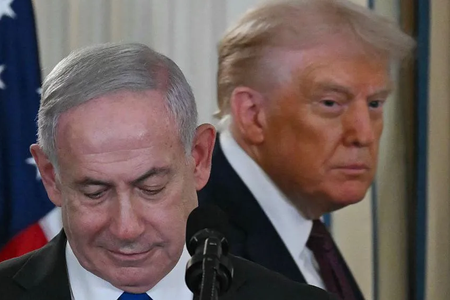
Now, after months of war and tens of billions of dollars in American spending, Washington is trying to get out of the conflict through a memorandum with Tehran. The agreement itself has caused an unusual rebellion within Republicans. Republican senators like Bill Cassidy have called it “the biggest foreign policy mistake in decades.” Others compare it to Barack Obama’s nuclear deal, which Republicans denounced for years. Some American conservatives are openly talking about a “surrender” to Iran.
The irony is bitter.
Donald Trump came to power promising to destroy Obama's Iranian legacy. Today, some Republicans accuse him of building a new version of it. His own allies are demanding the full text of the agreement because they don't believe the Iranian regime will give up its ambitions through diplomatic promises alone.
Meanwhile, the essential question remains unanswered.
How many billions of dollars have been spent over four decades to manage the consequences of the Iranian regime?
How many wars have been fought?
How many embargoes have been imposed?
How many military fleets have been sent to the Persian Gulf?
How many refugees have abandoned their homes?
How many historical opportunities have been missed?
And above all:
Would it have been wiser for the West to invest its political, diplomatic, and financial capital to support the "Women, Life, Freedom" movement and the civil revolt that shook Iran in 2022, rather than to enter today into a military adventure that has cost tens of billions of dollars and is ending in an agreement contested even by American Republicans themselves?
History rarely offers perfect solutions. But it often offers opportunities that never come back. The Iranian uprising was one of them. Instead of supporting the people who were seeking freedom, the West chose to negotiate once again with the regime.
Today, after thousands of victims, after a destabilized region, and after billions spent, the world is returning to the point where it should have started: to the question of whether the problem was Iran's nuclear program, or the very regime that built it./ Pamphlet


Gjergj, shkruaj ndonje gje per Gazen dhe milionat qe ka vrare Amerika ne lufte ne vende ju skisje pse te ishte fare... Irani deri sot ska filluar asnje lufte te vetme...