


 Shkruar nga Pamfleti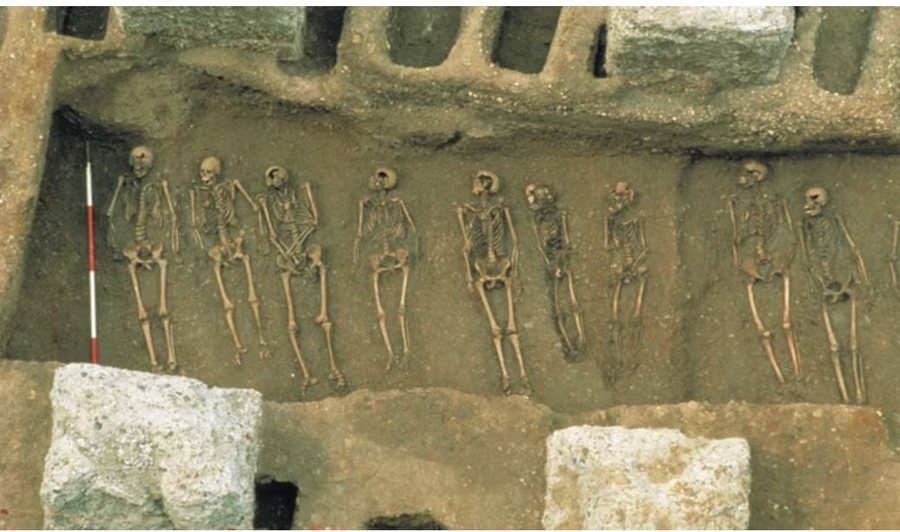
An extraordinary archaeological discovery in Siberia is changing the way scientists understand the origins of the plague, one of the deadliest diseases in human history.
In a study published in the scientific journal Nature, researchers report that they have identified the earliest known evidence of a plague outbreak, dating back about 5,500 years.
The discovery was made in prehistoric cemeteries near the Angara River, near Lake Baikal in Siberia. The remains of ancient hunters and gatherers were found in these graves, along with objects such as arrowheads and other artifacts that testify to the life of the communities of that time.
DNA revealed the presence of deadly bacteria
Scientists analyzed DNA extracted from the teeth of 46 skeletons and found that 18 of them carried traces of the bacterium Yersinia pestis, the same microorganism that later caused the infamous pandemic known as the "Black Death."
According to experts, this high percentage suggests that the plague may have been the cause of death for most of the individuals buried at these sites.
"It is clear evidence of an epidemic outbreak in prehistoric times," said ancient DNA researcher Nicolás Rascovan.
Plague may have existed before agriculture
For decades, scientists have believed that plague and other epidemic diseases emerged primarily after the Neolithic Revolution, when humans began living in permanent settlements and keeping domesticated animals.
However, new findings suggest that the disease may have also circulated among nomadic hunter-gatherer communities, long before the development of agriculture.
"There is an idea that the life of hunter-gatherers was cleaner and less exposed to disease. Now we are realizing that the reality was much more complex," said evolutionary geneticist Eske Willerslev, one of the study's authors.
An earlier and more dangerous form
According to researchers, the discovered bacterium did not yet have all the characteristics that later made the plague so devastating.
They believe that the outbreaks at that time were mainly of the pneumonic form, which affects the lungs and is transmitted through coughing or breathing.
"Pneumonic plague is extremely severe and very deadly," the study authors explained.
The bubonic form, known for swollen lymph nodes and spread by fleas, is thought to have developed around 3,800 years ago.
Mass graves and affected children
One of the most intriguing elements of the discovery is the fact that some graves contained several skeletons buried together, including a large number of children.
This has led researchers to think that many of them may have lost their lives during the same epidemic outbreak, suggesting that young people were particularly vulnerable to the disease.
The plague has not completely disappeared.
Although today considered a rare disease, plague continues to appear sporadically in some regions of the world.
In 2017, Madagascar reported over 2,400 cases of pneumonic plague, while in the United States, one death from the disease was recorded in Arizona last year.
Thanks to modern antibiotics, the plague can be successfully treated if diagnosed in time, but the discovery in Siberia shows that its history is much more ancient and complex than previously thought.








Lini një Përgjigje