


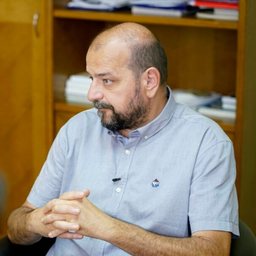
 Shkruar nga Dragan Sormaz
Vučić was welcomed by a meeting with the leaders of the EU, France and Germany, in which it became clear to him that the time of balancing between the EU, China and Russia is over and that Serbia must choose its future...
The Serbian president recently visited China, where he announced new investments worth 1 billion euros, which is only a quarter of Serbia's annual needs. However, he did not disclose what the political cost of these investments will be, nor what fate awaits the Smederevo Steel Factory after the reduction of export quotas to the EU and the doubling of customs duties on quantities exported above the allowed quotas.
Is there an economic justification for the investment relationship with China, considering that last year Chinese investments in Serbia fell by a full 97%, while the US and the EU have serious reservations about Beijing's unfair trade practices, which could significantly limit the opening of the EU market to products that will result from the agreed Chinese investments? Will Chinese investments in Serbia be able to survive if the EU market is closed to them?
After his visit to China, the Serbian president stayed in Tivat, at the EU-Western Balkans summit.
The event itself was preceded by two incidents.
The first involved a plane full of people of security interest, which Montenegrin police turned back to Serbia. After alerting the public through Serbian tabloids about an alleged threat to his safety in Montenegro, Vučić finally admitted in Tivat that the disputed plane was carrying a team of SNS party loyalists, sent to Tivat to organize a festive reception and fan support for him.
The second incident followed the Serbian authorities' ban on the transit flight of the Romanian president's plane, which was headed to Tivat. After a day-long silence on the Romanian side's request, the Serbian authorities gave different and inconsistent explanations for the refusal to grant permission to fly. While the Serbian Ministry of Foreign Affairs claimed that permission was not granted due to military exercises by the Serbian Army, the General Staff gave the Romanian side guarantees that such exercises had not occurred.
In the end, the Romanian president arrived in Tivat via Bulgaria and North Macedonia, while Serbia once again demonstrated its anti-European approach to building relations with its neighbors. The real reason for the Romanian plane's flight ban must be sought in Aleksandar Vučić's revenge for Romania's refusal to grant him a flight permit during his trip to Moscow in May last year.
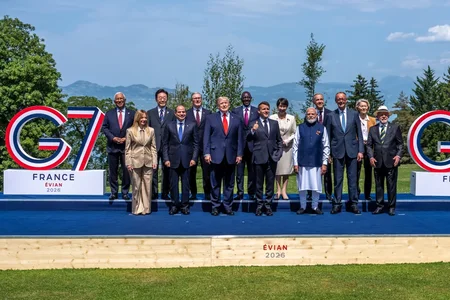
After these bizarre and humiliating incidents for Serbia, Vučić was hosted by a meeting with the leaders of the EU, France, and Germany, in which it became clear to him that the time of balancing between the EU, China, and Russia is over and that Serbia must choose its future.
It is difficult to even call this meeting a meeting; it can be described more as a crisis headquarters. Only Vučić was organized with something like this, but not because he is important, but because he is considered the biggest problem in the region!
Essentially, Vučić must now choose between his criminally inclined loyalists, who keep him in power, and the only possible future that can bring Serbia prosperity and secure its place among developed European nations.
Vučić accompanied his flirtation with China and his uncomfortable confrontation with the European truth with a series of servile interviews for the American media, through which he tries to entice Donald Trump to visit Belgrade. By promising him a grand, nationwide reception in Serbia, Vučić plays the card of stroking Trump's ego, constantly losing sight of the fact that for the US, Serbia's relationship with China is much more important than any servile statements by the regime leaders in Belgrade.
However, even more serious is that Vučić shows a clear intention to find a substitute for Serbia's EU membership in bilateral alliances with Beijing and Washington, which constitutes an old dream of radicals, completely disconnected from reality.
Even if Trump does not resist the desire for attention and visits Serbia, this would only be a headline in America and the world, while Vučić would once again face reality: from a security perspective, this region belongs to NATO, while the alliance is changing towards taking on greater responsibilities from European members; geopolitically, the region is the European Union's backyard, and in this regard Trump cannot help!
The Serbian government has been claiming since mid-2025 that the Strategic Partnership Agreement with the US is almost complete, but it does not even exist as an official announcement. Armenia, on the other hand, reached such an agreement with Washington after only a few months of negotiations.
Equally deceptive is Vučić's relationship with Moscow, which is constantly dragging out negotiations on the sale of NIS and the decision on the gas agreement with Serbia, which would have a deadline of more than three months. In this way, Russia continues to tighten the noose around Serbia's neck, keeping it in a quasi-vassal position, while Vučić clearly has neither the strength nor the will to resist this.
Viewed from a broader perspective, all recent developments point to one simple fact: the space for Vučić's policy of sitting on several chairs simultaneously is rapidly disappearing.
Ndërsa në Pekin kërkon investime të reja, në Bruksel përpiqet të ruajë rrugën evropiane dhe të sigurojë qasje edhe më të madhe në fondet e BE-së; në Uashington përpiqet të gjejë një mbështetës politik, ndërsa nga Moska pret siguri energjetike. Por bota përreth Serbisë po ndryshon në mënyrë të pakthyeshme.
Problemi për Vuçiçin nuk qëndron në faktin se marrëdhëniet ndërmjet fuqive të mëdha janë bërë më të ndërlikuara, por se ato janë bërë më të sinqerta. Bashkimi Evropian nuk dëshiron më të financojë ndikimin kinez në pragun e vet, ndërsa Shtetet e Bashkuara nuk e shohin më Ballkanin të ndarë nga rivaliteti global me Kinën.
Nga ana tjetër, Rusia nuk e sheh Serbinë si partner, por si një mjet për ruajtjen e ndikimit të saj në Evropë, ndërsa Kina e sheh Serbinë para së gjithash si një pikë hyrjeje për depërtimin e saj ekonomik drejt tregut evropian.
Prandaj, sot Serbia nuk gjendet përballë zgjedhjes midis Lindjes dhe Perëndimit, siç përpiqet ta paraqesë propaganda e regjimit, por përballë zgjedhjes midis një strategjie të qartë dhe një endjeje të përhershme. Ky është një vendim midis një shteti që e di se ku po shkon dhe një shteti që çdo mëngjes kontrollon disponimin në Bruksel, Uashington, Moskë dhe Pekin për të përcaktuar politikën e vet.
Ironia më e madhe është se Aleksandar Vuçiçi sot përpiqet të gjejë një alternativë ndaj Bashkimit Evropian pikërisht në një moment kur asnjë tregues serioz ekonomik, politik apo i sigurisë nuk tregon se një alternativë e tillë ekziston. As Kina, as Rusia dhe as ndonjë marrëdhënie dypalëshe me Shtetet e Bashkuara nuk mund t’i ofrojnë Serbisë atë që mund t’ia ofrojë integrimi evropian: qasje në tregun më të madh në botë, institucione të qëndrueshme, sundim të ligjit, investime afatgjata dhe një vend në bashkësinë e shteteve më të zhvilluara evropiane.
Sot Serbia gjendet në fund të një epoke gjeopolitike. Politika e balancimit, e cila për vite me radhë solli përfitime politike dhe ekonomike, po hyn në një fazë të zvogëlimit të përfitimeve. Sa më i ashpër bëhet rivaliteti ndërmjet Perëndimit, Kinës dhe Rusisë, aq më shumë rritet çmimi i pavendosmërisë. Prandaj, pyetja kyçe nuk është më nëse Serbia mund të bashkëpunojë me të gjitha fuqitë e mëdha, por nëse mund t’i shmangë pasojat nëse nuk përcakton një drejtim të qartë strategjik të zhvillimit të saj.
Në një botë që po ndahet me shpejtësi në blloqe, neutraliteti bëhet gjithnjë e më i kushtueshëm, ndërsa zgjedhja e së ardhmes bëhet gjithnjë e më e pashmangshme. Dhe kur të vijë ai moment i zgjedhjes përfundimtare, nuk do të vendoset vetëm për politikën e jashtme të Serbisë, por edhe për fatin e sistemit që për vite me radhë ka mbijetuar pikërisht falë mundësisë për të balancuar midis qendrave të ndryshme të pushtetit.
Therefore, the issue of Serbia's European path today is much more than a geopolitical issue. It is a matter of the future of the state and the survival of the regime, and precisely for this reason the time for balancing is running out faster than Aleksandar Vučić is willing to admit./ Adapted from "Pamphlet" by "TheGeopost"


Lini një Përgjigje