


 Shkruar nga Gjergj Zefi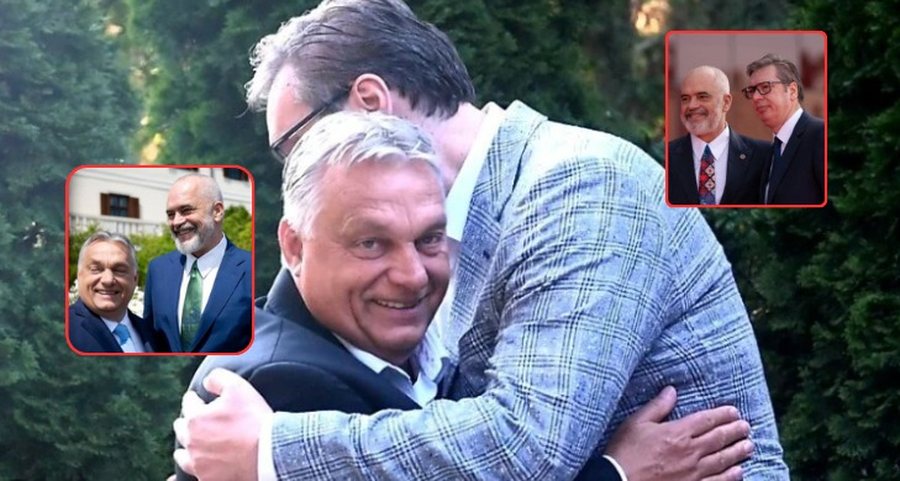
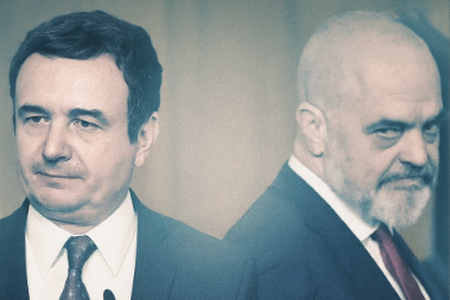
The letter in "Corriere della Sera" reveals the paradox of Viktor Orbán in the EU; in Albania, Edi Rama's political model follows the same line: he seeks the applause of Brussels, but governs with the spirit of Putin and Erdogan...
Today's Europe is facing an ever-widening paradox: leaders who speak in the name of the European Union, but govern in the spirit of the East.
In a letter published by the Italian newspaper Corriere della Sera, an Italian reader wrote: “If Viktor Orbán hates the European Union so much, why doesn’t he leave it?” – a question that applies today to Edi Rama as well. Both are masters of double politics: they use the vocabulary of Europe to legitimize power, while in practice they tighten institutions, control the media, seize the economy and transform the state into private property. Hungary’s Orbán has turned the EU into an ATM that finances his illiberal regime; Rama, in Albania, has turned European integration into a facade that covers the concentration of power in a single hand. Both live off the money and prestige of Europe, but are inspired by the model of Putin and Erdogan, leaders who rule with vertical control, propaganda and fear.
In Tirana, Rama speaks like a European but acts like a Balkan autocrat: personalized laws, secret tenders, subjugated media, and politically managed justice. He has learned, like Orbán, that democracy is not necessarily to be strengthened, but to be used as an alibi and to stay in power.
While Orbán uses the veto to block the EU, Rama uses the promise of integration to silence the opposition and turn reform into an instrument of control. This is the modern form of European authoritarianism: governments that appear democratic in speech but function as closed systems in practice.
Europe continues to treat these leaders as a “special case”, with the justification of stability, while their stability has been bought with the silence of citizens and the weakening of institutions. But one thing is clear: Orbán in Budapest, Vučić in Belgrade and Rama in Tirana are symbols of the same political disease; a system that loves Europe for money, but not for values. If the European Union is not to lose its credibility, it must understand that the danger comes not only from outside, but also from within, from those who embrace the blue flag with yellow stars, but use it to cover the shadow of an increasingly personal power. And Albania, if it does not wake up, risks becoming what Hungary already is: an autocracy with a European smile. / Pamphlet



Mirepo parja hedh ujin perpjete... (E Babloku psh ka pare me m3 per t'i blere teeere kreret e BE)