


 Shkruar nga Fadil Lepaja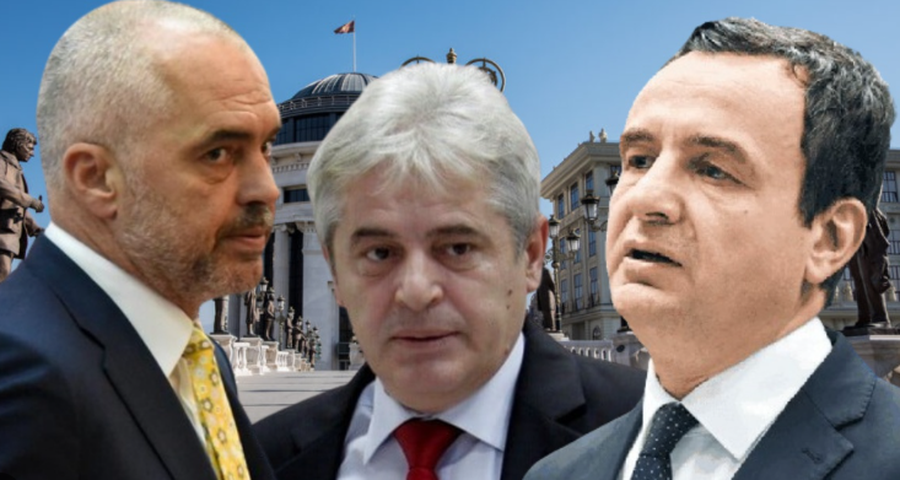
From the mythology of the "national savior" to the need for a politics of ideas. Albanians no longer need leaders who speak on behalf of the nation, but institutions that function for the nation.
The eras of Albin Kurti, Edi Rama and Ali Ahmeti are declining not because of the vote, but because of the historical fatigue of the model they represent. Albanians in the three countries where they live are facing a new global reality that requires cooperation, not division; vision, not charisma; state-building, not empty rhetoric.
In Albanian politics, crises do not happen suddenly, they ripen slowly, through public fatigue, loss of trust and the consumption of figures who cannot change with time. Today, when people talk about the “end of the Kurti era”, the “end of Rama” or the “end of Ali Ahmeti”, they are actually describing a common process: the decline of the model of the leader who sees himself as a representative of the nation, not as a servant of institutions.
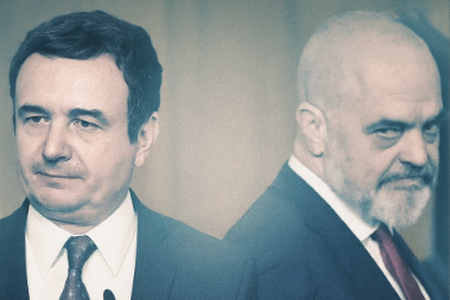
Albin Kurti, who started as a symbol of moral revolt against the system, has clashed with the reality of power. He has not abandoned the ideal, but has failed to turn it into a functional state mechanism. The clash with international realpolitik has weakened him politically, while maintaining respect for honesty, but not trust in effectiveness.
In North Macedonia, Ali Ahmeti has transformed from a symbol of Albanian representation into part of the establishment that once challenged him. The DUI, which once represented change, has today become part of the system that blocks it.
Meanwhile, Edi Rama, who built power on the narrative of “renaissance,” is facing the paradox of his own success: a system that produces only complacency, not transformation. A leader who once promised revival, but today represents the fatigue of long-term power.
All three share the same fate: they have become hostages to the models they created. Rama of the propaganda system that can no longer be changed, Kurti of idealism that does not generate reform, and Ahmeti of a political realism that no longer inspires. All are witnesses to a moment where history no longer requires leaders who speak for the nation, but institutions that function for it.
After the war in Ukraine and the changes in the global order, the Balkans are being reformatted as a strategic corridor between democracies and authoritarianisms. In this space, Albanians are present everywhere, but often without a common vision. Their leaders, instead of using this opportunity for regional factorization, waste it in small conflicts for local dominance.
Albanians need to move away from the politics of myth and into the politics of function. No longer for leaders who “represent the nation,” but for institutions that protect and develop it. This is the transition that none of the three leaders has made. If they continue to think that politics is a contest of personalities and not a contest of ideas, then memories of a time that refused to change will remain.
In the coming era, there will no longer be a place for leaders who build power on conflict, but for those who build cooperation on national and European interest. Albanians no longer need “big words” sold as strategy, but for a politics that speaks with deeds and functions with institutions.
The eras of Rama, Kurti and Ahmeti are ending, but the challenge of Albanians has just begun: to build a politics that no longer belongs to leaders, but to citizens./ Pamphlet





Shume e drejte.
Tana ka nevojë për burrë thua ti!? Kjo dihet .. Por shqiptarët nuk mund të krijojnë institucione shtetërore,e kam fjalën funksionale ,sepse do vendosin në krye të punës djalin e migjës apo loqkën e dashnisë.. Një jetë e gjithë ka treguar që vetëm nën baba Dovlet shqiptarët u shtruan dhe njohën shtetin. Prandaj mos shkruaj tema si kjo " që të zesh kos duhet patjetër të kesh qumësht"