


 Shkruar nga Pamfleti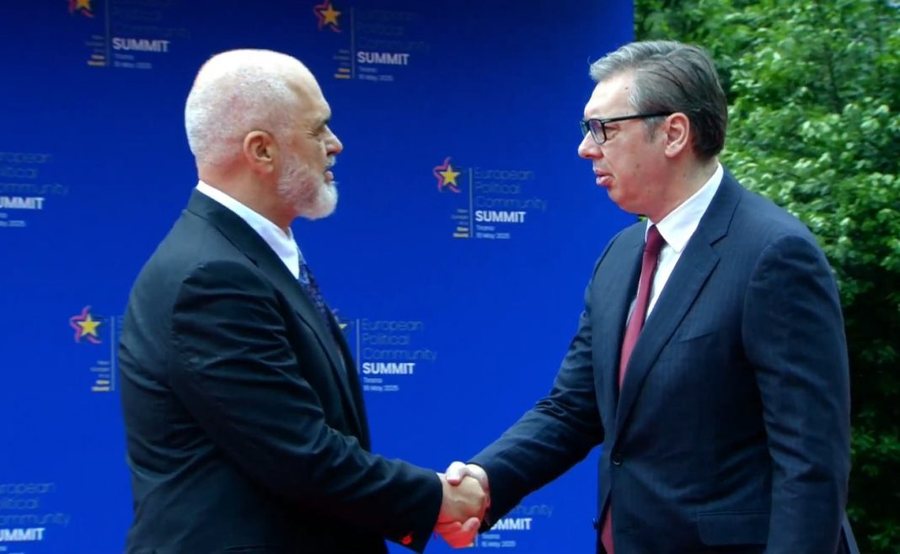
Europe begins to see beyond rhetoric: new Balkan autocracies under review...
Aleksandar Vučić is today one of the most criticized figures in the European Parliament, denounced for institutional violence, violations of civil liberties, and alliances with anti-European forces.
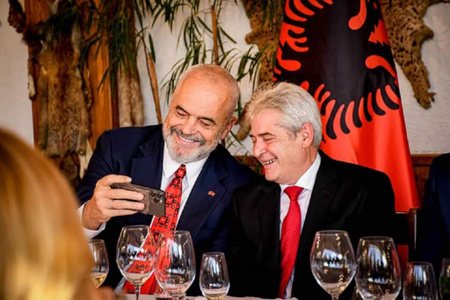
With the overwhelming vote of the MEPs last week, official Serbia faced a clear moral and political condemnation from Brussels. But, in the shadow of this criticism of Belgrade, Tirana should take a close look at the mirror that is emerging for it. Because while in discourse and diplomacy Edi Rama continues to appear as a “champion of European integration”, in practice Albania is experiencing an alarming concentration of power, control over the media, and a justice system still captured by the political class.
The difference between Rama and Vučić is not in the way they rule, but in the way they sell themselves abroad.
Rama is a master of international PR. He knows how to speak the language of Brussels, smile at summits and present himself as a man of stability. But this cannot erase the domestic reality that has become increasingly politically violent: local government, the legislature and a good part of the justice system are today concentrated in the hands of an absolute majority of one man.
Corruption scandals; from incinerators, to dubious concessions and clientelistic PPPs, have crossed every threshold of tolerance for a functional democracy. Meanwhile, the pressure on critical media is real, documented by international organizations, but silenced by international allies for geopolitical reasons.
What is happening today with Vučić should be a warning to Edi Rama. At first, the Serbian president was also welcome at Western tables, he was seen as a guarantor of peace and a factor of stability in the region. But over time, his double-meaning language, his ties to Moscow and Beijing, and above all his internal abuse of institutions, exposed him before the eyes of Europe. The parallelism is dangerous, but also necessary: Rama risks following the same path if he does not decide to stop this authoritarian model of government. A prime minister cannot hold all the powers and at the same time preach democracy from international podiums.
For the European Union, this is the moment to make the distinction between facade and substance. If Serbia is being denounced for violating democratic principles, Albania cannot be praised for rhetoric, when the reality is often more similar than different. Tolerating democratic deviations in the name of “regional stability” is a strategy that produces more autocrats than responsible leaders.
Rama may not be Vučić in style, but he is very close in structure. And if the EU is belatedly discovering the Serbian reality, there is still time to see Albania for what it is, a country that deserves integration, but only if it is guided by principles, not propaganda./ Pamphlet


I thjeshtë fare komenti jetojmë në diktaturë nga të dy partitë që e kanë ndarë tortën