


 Shkruar nga Pamfleti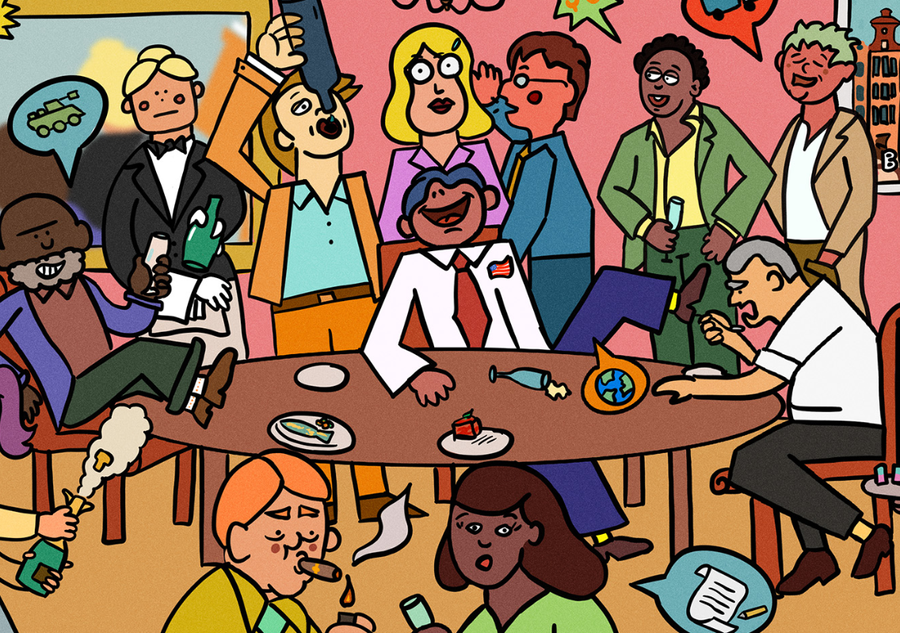
Monthly meetings were once an important element of American influence in the EU capital. Now that key channel of informal diplomacy has all but disappeared…
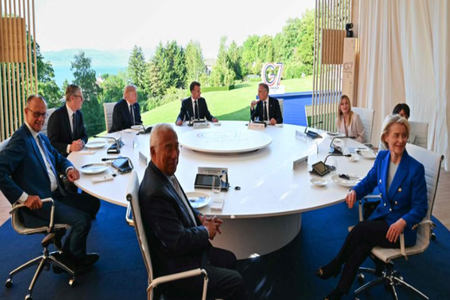
For years, American ambassadors used secret dinners to gather European allies, compare positions and build consensus in Brussels, a tradition that diplomats say has largely disappeared since Donald Trump returned to the White House.
The regular dinners, usually hosted at the US ambassador's residence in the affluent suburb of Uccle, brought together a select group of ambassadors from EU countries, close partners such as the United Kingdom or Japan, as well as senior European officials for informal talks on trade, security and foreign policy.
According to nine current and former diplomats from EU countries and beyond, who were granted anonymity to discuss these confidential meetings, these evenings were among the most useful diplomatic forums in the city. The “like-minded” dinners, as American diplomats called them, took place about once a month and were usually attended by fewer than a dozen people.
The guest list typically included ambassadors from several EU countries, as well as representatives of strategic partners outside the bloc. According to a former US diplomat, Bjoern Seibert, the influential chief of staff to European Commission President Ursula von der Leyen, also attended on some occasions.
Between glasses of Cabernet Sauvignon and Chardonnay from Napa Valley and plates of steak and fish prepared in a recently renovated professional kitchen, participants exchanged candid thoughts to understand the positions of European governments and institutions before the start of official negotiations.
“This is the blood that runs through the veins of the diplomatic system,” the former American diplomat said, adding “it’s like saying: ‘I can’t say this officially, but unofficially these are our red lines, these are our considerations, these are the political realities in my country, and I don’t understand why you can’t do X, Y, and Z.’”
The disappearance of these dinners is seen as symbolic of a broader US retreat from Brussels, at a time when Trump has increased pressure on the European Union. Since returning to power, Trump has imposed tariffs on European goods, threatened to withdraw US troops from NATO countries, pledged to take Greenland and consistently portrayed Europe as an adversary rather than a strategic partner.
Në këtë sfond, sipas dy diplomatëve evropianë, misioni amerikan është fokusuar më pak te ndërtimi i marrëdhënieve që dikur përbënin bazën e ndikimit amerikan në Bruksel dhe është larguar nga diplomacia informale që për dekada ndihmoi Uashingtonin të ndikonte debatet dhe të siguronte mbështetje mes aleatëve evropianë.
Miq me përfitime
Misioni amerikan nuk e ka braktisur plotësisht diplomacinë në formate të vogla gjatë presidencës Trump. Dy diplomatë nga vende jashtë BE-së thanë se janë organizuar herë pas here dreka dhe darka, por më rrallë dhe në një format të ndryshëm.
Darkat e “mendje-ngjashmëve” ishin një shenjë dalluese e mandatit të ish-ambasadorit amerikan Mark Gitenstein, megjithëse edhe paraardhësit e tij organizonin takime të ngjashme. Ajo që i bënte të veçanta ishte intimiteti i tyre, tha një diplomat i BE-së.
“Kur ke 10 ose 12 veta rreth tavolinës, mund të zhvillosh vërtet biseda,” tha ai, duke shtuar “mund të flasësh me të gjithë. Në fund largohesh duke mësuar diçka.”
Ambasadori aktual amerikan, Andrew Puzder, priret të organizojë pritje më të mëdha dhe më luksoze, shtoi diplomati.
“Ato janë të këndshme. Por kur ke njëqind njerëz në një sallë, e kalon mbrëmjen duke përshëndetur njerëz dhe jo duke zhvilluar biseda kuptimplota.”
Një diplomat tjetër i BE-së u shpreh se “Gitenstein organizonte pritje si diplomat, ndërsa Puzder organizon pritje si biznesmen.” Gitenstein refuzoi të komentojë.
Misioni i SHBA-së pranë BE-së tha se pretendimi se Puzder ka reduktuar takimet informale është “plotësisht i pavërtetë”.
“Ai takohet rregullisht me ambasadorë të vendeve të BE-së dhe jashtë saj për një gamë të gjerë çështjesh,” thuhet në deklaratën e misionit, duke shtuar se “ambasadori Puzder ka organizuar dhe ka marrë pjesë në disa darka dhe takime me partnerë që ndajnë interesa të përbashkëta, duke bashkuar grupe me synime të ngjashme për të siguruar që politikat e BE-së të mbështesin sigurinë dhe prosperitetin evropian dhe amerikan.”
Një diplomat tha se vazhdojnë të organizohen takime periodike të aleancës së inteligjencës “Five Eyes” (SHBA, Mbretëria e Bashkuar, Kanadaja, Australia dhe Zelanda e Re) ose të grupit “Quad”, ku bëjnë pjesë SHBA-ja, Japonia, India dhe Australia.
Një tjetër ambasador kujtoi një drekë të organizuar gjatë vizitës së Përfaqësuesit Amerikan për Tregtinë, Jamieson Greer, në Bruksel në nëntor të vitit të kaluar, për një ceremoni simbolike që shënoi fillimin e ndërtimit të një tempulli të ri mormon në kryeqytetin belg.
Megjithatë, diplomatët e BE-së dhe të vendeve partnere që folën për POLITICO thanë se këto aktivitete nuk e zëvendësojnë rrjetin e takimeve të “mendje-ngjashmëve” që dikur bashkonte ambasadorët evropianë dhe partnerët e tyre me zyrtarët më të lartë të BE-së.
“There was a whole ecosystem around these meetings,” said one European diplomat. According to him, “Mark would organize one meeting. Then someone else. Then another.”
The former American diplomat added that there was also a friendly rivalry over the quality of the food and wine.
"The ambassadors, through their chefs, were trying to outdo each other. There was also an element of ego about who had the best chef."
Information exchange
These dinners also offered something that is becoming increasingly rare in Brussels: the opportunity to speak freely without fear of information leaking.
“In Coreper you have all 27 countries around the table,” said a former EU diplomat, referring to the committee where member states’ ambassadors meet, noting “we had much more candid conversations here.”
The loss of these dinners has also had practical consequences. A diplomat from a country outside the EU recalled that he used to regularly receive calls from his country's capital to get information on the political climate in Brussels and the governments' positions on sensitive issues.
"When the minister asked me what someone thought about a certain issue, I could answer. Now I can't," he said.
Another former American diplomat argued that the change also has practical reasons.
"Puzder has done a good job overall, as far as it's possible. It's very difficult to be Trump's ambassador. Trump is not making Puzder's job any easier ," he said.
Yet diplomats see the shift as symbolic of something bigger: a gradual waning of American influence. For decades, the United States has been seen as an indispensable diplomatic actor in Brussels, able to rally allies, influence debates and provide information through a vast network of formal and informal relationships. That perception is changing, diplomats say.
“The erosion of trust is evident from the level of pressure exerted on the EU regarding our legislation and from the uncertainty over tariffs and military presence,” said Sergey Lagodinsky, the Greens’ lead MEP for relations with the US in the European Parliament’s Foreign Affairs Committee.
“This is how the US exercised global leadership,” said the former top US diplomat, adding “it builds relationships, brings people together around common goals and understands where everyone’s red lines are. That’s why the US was able to do this for 70 years, before the system began to unravel under Trump.” /Adapted from Pamphlet by Politico/



Lini një Përgjigje