


 Shkruar nga Pamfleti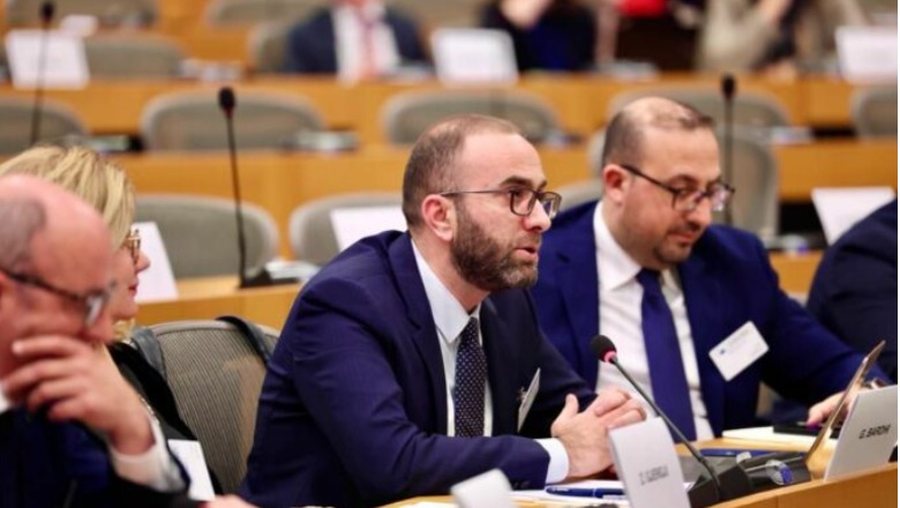
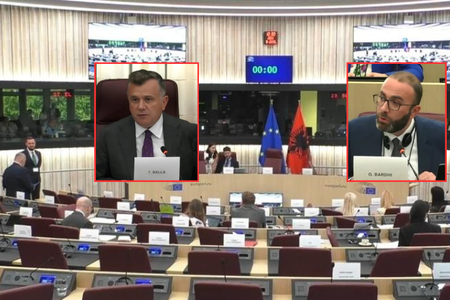
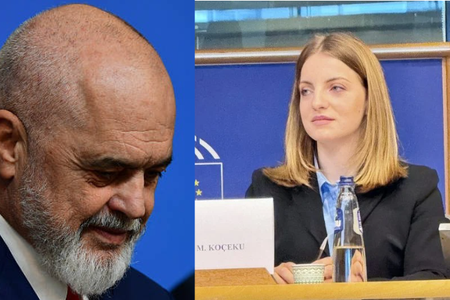
Democratic Party MP, Gazment Bardhi, has leveled accusations against the Albanian government during the joint EU-Albania meeting at the European Parliament, stating that problems with the rule of law, the independence of institutions and the fight against organized crime continue to exist in the country.
In his speech to MEPs, Bardhi said that the main issue for Albania remains the implementation of the law equally for all, emphasizing that the true test of the rule of law comes when institutions must act against the government.
"Is the law stronger than power? Laws can be written well. But their true test comes when they have to act against the power itself. That's when it becomes clear whether the rule of law is real, or just formal," said Bardhi.
Continuing his speech, the leader of the DP parliamentary group focused on the fight against organized crime and money laundering. He claimed that two important arrest warrants against individuals linked to the criminal world still remain unexecuted, despite the fact that, according to him, their whereabouts are known.
Bardhi also raised concerns about the phenomenon of money laundering, claiming that investigations by law enforcement authorities in Belgium, the Netherlands, Italy, Germany and France have uncovered Albanian international cocaine trafficking organizations that invest their profits in Albania, mainly in the construction and tourism sectors.
According to Bardhi, the opposition had requested an interpellation with the Prime Minister regarding the issue of money laundering in the construction and tourism sectors, as well as the establishment of a parliamentary investigative commission, but both requests, according to him, were rejected.
Full speech:
When we talk about fundamental rights, the rule of law, the fight against corruption and organized crime, we are actually trying to answer a fundamental question:
Is the law stronger than power? Laws can be well written. But their true test comes when they have to act against power itself. That's when it becomes clear whether the rule of law is real or just formal.
The second case is related to the fight against organized crime and money laundering.
Two of the most important arrest warrants for organized crime in Albania, the one against the leader of the Elbasan gang and the one against the person considered the Prime Minister's unofficial coordinator, still remain unexecuted. Their location has long been a public secret in the heart of Albania, but the police cannot find them. This is difficult to explain with a lack of information. It feeds the belief that the law stops where the political interest of the government begins.
Po aq shqetësues është fenomeni i pastrimit të parave. Hetimet e autoriteteve ligjzbatuese në Belgjikë, Hollandë, Itali, Gjermani dhe Francë kanë zbuluar organizata shqiptare të trafikut ndërkombëtar të kokainës që investojnë fitimet e tyre në Shqipëri, përmes projekteve në ndërtim dhe turizëm. Investime që nuk mund të realizohen pa vendimmarrjen dhe miratimin e qeverisë shqiptare.
Po citoj dosjen më të fundit të Prokurorisë së Posaçme shqiptare kundër krimit të organizuar, SPAK: provat e ardhura nga autoritetet belge kanë dokumentuar me pamje filmike takime të funksionarëve të lartë shtetërorë shqiptarë me persona të përfshirë në trafik ndërkombëtar droge. Sipas së njëjtës dosje, në këto takime diskutohet përdorimi i pasurive të paluajtshme dhe investimeve në ndërtim e turizëm për pastrimin e të ardhurave nga trafiku i kokainës.
Edhe përpara se ky fakt tronditës të bëhej publik, opozita kishte kërkuar interpelancë me Kryeministrin për çështjen e pastrimit të parave nga krimi i organizuar dhe korrupsioni në ndërtim dhe turizëm. Kryeministri refuzoi të paraqitej në Parlament.
Kërkuam ngritjen e një komisioni hetimor parlamentar. Edhe ai u refuzua.
Të gjitha këto raste çojnë te e njëjta pyetje: a zbatohet ligji njësoj edhe ndaj pushtetit, apo pikërisht aty ai pushon së vepruari? Sepse kjo është prova e vërtetë e shtetit të së drejtës.
Të nderuar kolegë. Fatkeqësisht, Shqipëria ende nuk e ka kaluar plotësisht provën më të vështirë të shtetit të së drejtës: që ligji të jetë njësoj i fortë për të gjithë dhe të mos bëhet më i dobët sa herë që përballet me pushtetin.



Lini një Përgjigje