


 Shkruar nga Nadia Boffa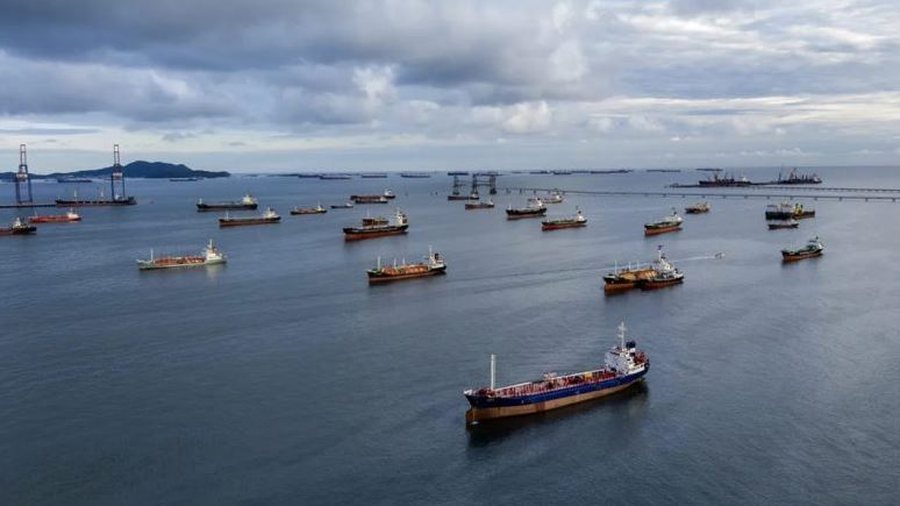
From the NATO summit in Ankara, Donald Trump, angrily, officially declared that the ceasefire had ended, describing the Iranian leaders as "crazy", with whom, according to him, negotiations no longer make sense...
Traffic in the Strait of Hormuz has been almost completely blocked. Once again. In parallel, negotiations to end the conflict have become even more complicated. This is the first assessment after the new exchange of attacks between Iran and the United States, an escalation that has continued for two days.
Initially, Iran attacked three merchant ships and oil tankers in the Strait of Hormuz. From the NATO summit in Ankara, Donald Trump, angrily, officially declared that the ceasefire had ended, describing the Iranian leaders as "crazy", with whom, according to him, negotiations no longer made sense.
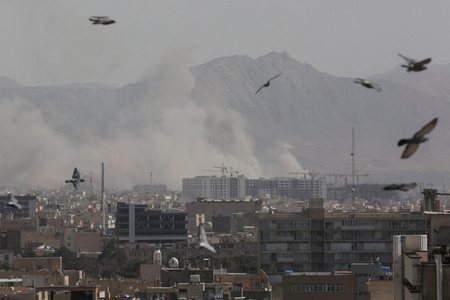
The United States responded overnight with a wave of airstrikes on Iranian territory. According to the US Central Command (CENTCOM), more than 170 military targets were hit. In response, Tehran launched a large number of drones at US military bases and strategic facilities in Kuwait, Qatar and Bahrain.
Both sides are pursuing different strategies, but with the same goal: to increase pressure at the negotiating table. Neither Iran nor the United States seem to be aiming for a return to all-out war. However, the question remains who benefits from this new escalation.
Iran attacked merchant ships in the Strait of Hormuz to reassert its control over the Strait and show that the situation could gradually deteriorate as negotiations with Washington continue. The 14-point Memorandum of Understanding calls for Iran to reopen Hormuz to merchant ships in exchange for the immediate release by the US of $24 billion in Iranian funds frozen abroad, as well as the lifting of sanctions to allow Iran to immediately resume oil exports.
Tehran opposed the US Navy's encouragement of commercial ships to use the southern corridor of the Strait, along the coast of Oman, instead of complying with the Iranian demand for all ships to register with the Iranian Strait of Hormuz Transit Authority (PGSA).
According to the company Kpler, which monitors maritime traffic, over 100 ships passed through the Strait every day last weekend, about a third of the pre-war level, split almost evenly between the Iranian and Omani corridors. As of 2:30 p.m. local time today, only six ships had passed through, compared with 21 the day before. By comparison, the lowest number of transits during the ceasefire period was recorded on June 28, when only 19 ships passed through.
"Qëllimi i sulmeve të Iranit është të pengojë anijet të zgjedhin rrugë alternative dhe t’i detyrojë të përdorin korridorin e kontrolluar prej tij", shpjegoi për HuffPost Luigi Toninelli, analist në Qendrën ISPI për Lindjen e Mesme dhe Afrikën e Veriut.
Sipas tij, koha e zgjedhur për sulmet nuk është rastësore. Nisja e ofensivës gjatë funeralit shtetëror të Ajatollah Ali Khameneit i shërben regjimit për të projektuar një imazh fitoreje në konflikt.
Si pasojë, Irani tani ka më shumë leva në dispozicion. Ai kontrollon Ngushticën. Që nga rifillimi i sulmeve, raportoi Bloomberg, vetëm një supertanker i sanksionuar nga SHBA-ja, që po largohej nga Gjiri Persik, dhe një anije kontejnerësh me flamur iranian janë parë duke kaluar Ngushticën. Tranziti në këtë korridor strategjik detar është kufizuar pothuajse tërësisht në rrugën veriore, e miratuar nga Irani.
Kjo do të thotë se Teherani mund të paraqesë kërkesa të reja ndaj Uashingtonit në tryezën e negociatave për të zhbllokuar trafikun detar.
"Teherani është i bindur se e ka fituar këtë luftë rraskapitjeje dhe kërkon që çdo marrëveshje e re të nisë me njohjen e autoritetit të plotë të Iranit mbi Ngushticën e Hormuzit", thekson Toninelli.
Nga ana tjetër, amerikanët rrezikojnë të bien në një kurth. Trump përballet me dy alternativa: të përshkallëzojë më tej konfliktin, duke rrezikuar përfshirjen e të gjithë Lindjes së Mesme në një luftë të gjerë, vetëm katër muaj para zgjedhjeve të mesit të mandatit në SHBA; ose të përpiqet të rikthehet te një armëpushim i brishtë, i cili do t’i kushtonte Uashingtonit shuma të mëdha financiare dhe do të kërkonte lëshime të rëndësishme politike ndaj Iranit.
Stephen Collinson shkruan në një analizë për CNN se ky skenar është rezultati i dështuar i një lufte asimetrike që, deri tani, nuk i ka ofruar administratës Trump asnjë zgjidhje logjike.
Sipas tij, duke urdhëruar një valë të re sulmesh me raketa dhe bombardime ajrore, Trump rrezikon të nisë një luftë të dytë për të korrigjuar pasojat e së parës: kontrollin iranian mbi Ngushticën e Hormuzit. Me fjalë të tjera, shkruan Collinson, përshkallëzimi i fundit ka nxjerrë në pah kufizimet e strategjisë amerikane në këtë konflikt.
Trump mund të urdhërojë një përshkallëzim të madh ushtarak kundër Iranit, duke përfshirë sulme ajrore ndaj infrastrukturës civile ose centraleve energjetike, apo edhe një operacion tokësor në zonat bregdetare përgjatë Ngushticës për të zmbrapsur forcat iraniane. Një tjetër mundësi është pushtimi i ishullit Kharg, qendra kryesore e industrisë së naftës së Iranit.
Megjithatë, kostot e një operacioni të tillë do të ishin shumë të larta dhe mund të shkaktonin pasoja të rënda për ekonominë globale, një skenar që vetë Trump synon ta shmangë.
An escalation of the conflict could also mean increased Iranian attacks on US allies in the Persian Gulf. Moreover, Washington has no guarantee that a full-scale war would eliminate Iran's ability to threaten the Strait of Hormuz. So far, that has not happened.
The other alternative is for Trump to back down after these attacks, leaving the Strait under Iranian control. Such a development would raise energy costs and make maritime transport more dangerous and costly.
" The United States cannot afford to show signs of weakness or capitulation. For American public opinion, this would be perceived as a complete defeat. Precisely to avoid this perception, Washington is responding to the attacks, trying to reposition itself diplomatically and not completely lose its negotiating power ," argues Toninelli.
Israel is also entering this situation. Defense Minister Israel Katz declared that the Israel Defense Forces (IDF) are "on alert and prepared to resume the campaign" against Iran. Speaking at a graduation ceremony for military pilots, Katz said the military is ready to "regain air superiority and carry out strikes inside Iranian territory to eliminate threats, for the third time."
"If we have to come back, we will come back with even greater force ," Katz said.
The concrete risk is that the escalation of tensions in the Middle East will get out of control and lead to a new regional war./ Adapted from "Pamphlet" by "HuffiPost"




Lini një Përgjigje