


 Shkruar nga Pamfleti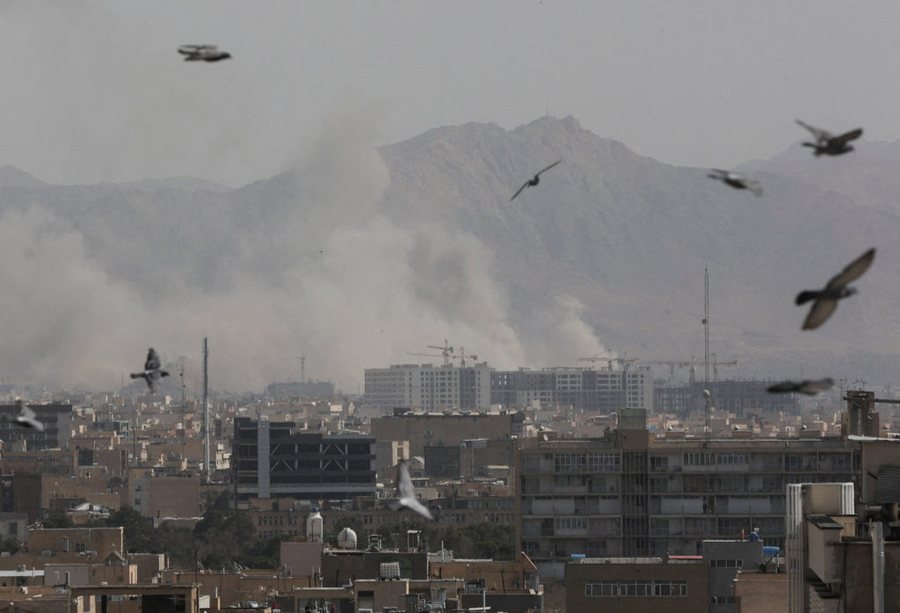
Two nights of American bombing, Israeli threats of another offensive and explosions near the Bushehr nuclear plant are pushing the region towards a new military escalation, while peace talks risk collapsing.
The Middle East is entering a new phase of crisis, where diplomacy seems to be losing ground to the language of weapons. Within 48 hours, the United States has launched the largest wave of attacks on Iran since the memorandum of understanding reached in June, while Israel openly declares that it is ready to strike Tehran for the third time.
Explosions have been reported in Bandar Abbas and near Bushehr province, where Iran's nuclear power plant is located. Although authorities have not yet confirmed the causes or damage, the very fact that the nuclear site was mentioned in the initial reports has raised alarms about an escalation of the conflict.
At the same time, Israeli Defense Minister Israel Katz warned that the military is on full alert to resume operations against Iran, stating that a third strike would be “even more powerful.” Prime Minister Benjamin Netanyahu reinforced the message, stressing that the war “is not over” and that Israel will continue military operations for as long as it deems necessary.
In this climate, the US has struck about 90 Iranian military targets, arguing that it aims to weaken Iran's ability to threaten navigation in the Strait of Hormuz. However, Iranian media reports that the attacks have also affected civilian infrastructure, including bridges, an airport and other strategic facilities, while the preliminary balance speaks of at least 14 killed and dozens injured.
One of the most worrying points remains Hormuz. Maritime traffic has been significantly reduced, thousands of sailors continue to remain stranded, and the International Maritime Organization warns that any further escalation could directly affect global energy trade.
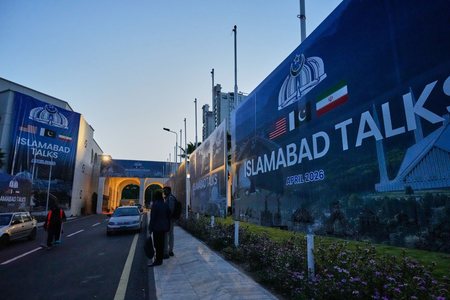
On the diplomatic front, the situation is equally grim. US President Donald Trump declared that the memorandum of understanding with Iran is practically "done," although he left open the possibility of continuing negotiations. Analysts, however, estimate that the ongoing bombing is making it increasingly difficult to return to the negotiating table.
If the attacks continue and Israel launches a third offensive against Iran, the region could face a much broader conflict, with consequences that would extend beyond the Middle East and affect security, the economy, and global energy supplies.






Lini një Përgjigje