


 Shkruar nga Pamfleti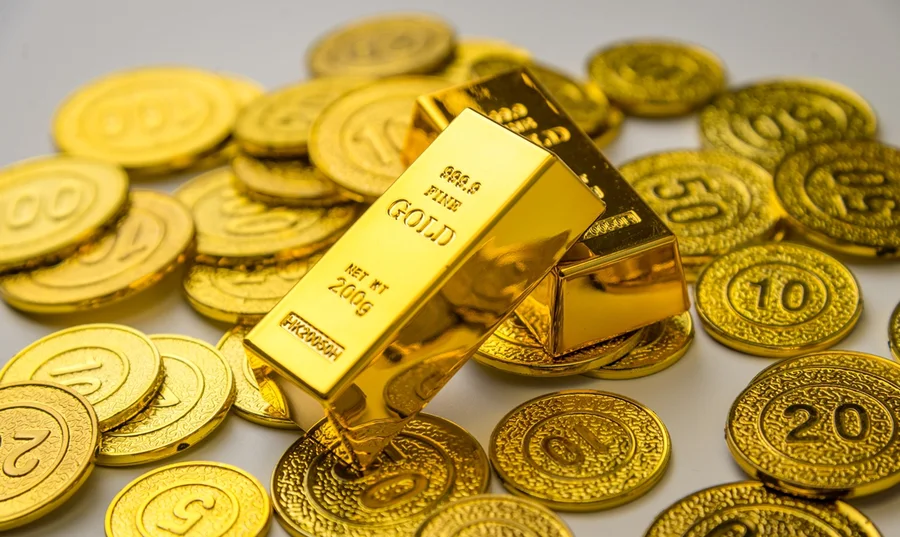
Gold is known as one of the safest assets in times of crisis, war, and economic uncertainty. Typically, at such times, investors flee riskier markets and seek protection in gold, driving its price up.
But this time the market is behaving differently. Despite high tensions between the US, Israel and Iran, the price of gold has fallen significantly, defying traditional investor expectations.
According to Al Jazeera, the main reason is related to the reaction of major economies, especially the US. The conflict in the Strait of Hormuz has increased oil and gas prices, fueling inflation in global markets. In the US, inflation has reached 4.2%, the highest level in the last three years.
Under normal circumstances, high inflation would make gold more attractive, as it is seen as a hedge against the loss of value of money. However, this time the markets' attention has focused on interest rates.
The Federal Reserve has not signaled a quick rate cut. Instead, markets are pricing in the possibility that rates will remain high or rise further to curb inflation. This directly hits gold, as it does not generate interest or regular income like bonds and bank deposits.
When interest rates remain high, investors tend to choose instruments that offer a safer financial return. As a result, gold loses some of its appeal and the price comes under pressure.
Another factor is the strengthening U.S. dollar. Since gold is traded in dollars, a stronger U.S. currency makes it more expensive for buyers outside the U.S., reducing international demand.
Financial analysts estimate that expectations for high interest rates throughout the year are keeping gold down, although the conflict in the Middle East, under other circumstances, could push the price higher.
Experts point out that any easing of geopolitical tensions, including a peace deal or de-escalation with Iran, could impact the market. However, the direction of gold prices will continue to depend largely on inflation, central bank policies and the strength of the dollar.
In essence, gold's decline is not explained solely by the geopolitical crisis. It is linked to a combination of economic factors: high inflation, high interest rates and a stronger US dollar, which are keeping even the asset usually considered a "safe haven" under pressure.



Lini një Përgjigje