


 Shkruar nga Emin Azemi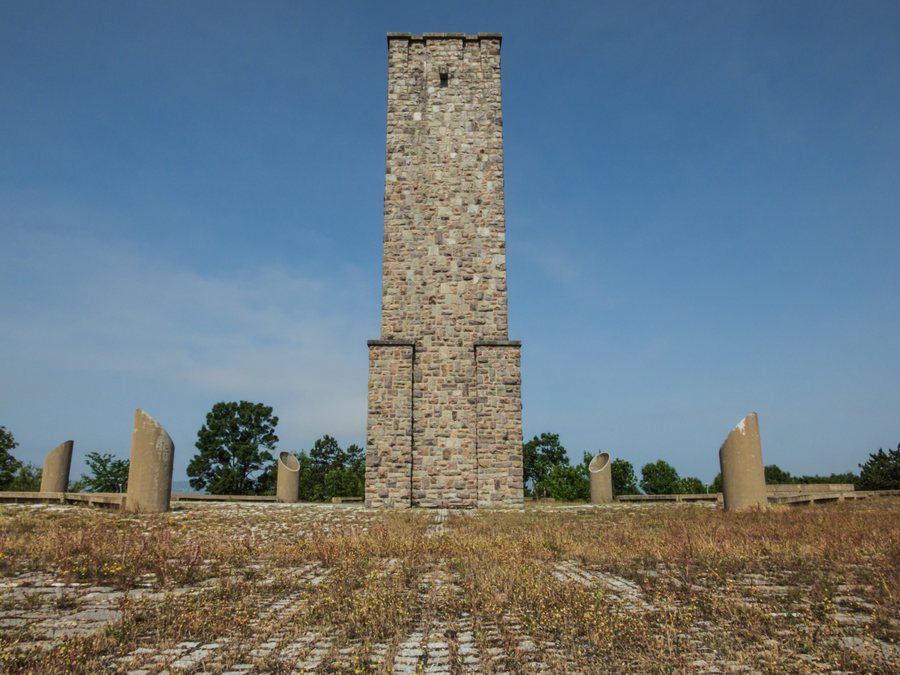
Where Milosevic used the stone tribune, today's student youth uses social networks and university squares to chant the same slogans for the "return of Kosovo". It is a chilling parallel: young people who have experienced neither the war, nor Milosevic, nor isolation, perform the same collective trance. They transform Vidovdan from a date of reflection into a platform for geopolitical rematch. This generation raised with Western technology voluntarily chooses to be the guardians of medieval tombs...
In the bloody theater of Balkan history, myths rarely die, they simply change skin, transforming from history into dogma, from dogma into existential substance. Since 1389, a narrative ghost has been roaming the dark corridors of Balkan consciousness - that of "Heavenly Serbia" ("Nebeska Srbija"). According to this legend, which resembles more a metaphysical pact than a chronicle event, Prince Lazar had to choose between the dust of an earthly kingdom and the eternity of a spiritual kingdom. By choosing the latter, he not only signed a military defeat, but gave birth to a national paradox: a people that finds legitimacy precisely where it loses reality, a nation that rejects geography to take refuge in cosmology.
This construct is not a dead relic covered in the dust of centuries, but a living organism, a psychological engine that continues to secrete fuel for the present. This myth is as irrational as it is stubborn. When geopolitical reality does not match Belgrade's desires, the narrative grows false wings and "moves to the sky."
Today, when Kosovo is no longer under its physical control, that old "wolf" of the Balkans refuses to be tamed or turned into a domestic dog of European integration. He hides in the den of myth, seeing earthly time as a fleeting illusion before the moment of "oslobođenje" (liberation) arrives. At this point, the psychology of the masses reveals its deepest pathology: the loss of the ability to distinguish between symbols and facts. When a people is fed for centuries with the idea of chosen martyrdom, defeat is not experienced as a political failure, but as a proof of spiritual purity. This produces a collective consciousness that suffers from the "syndrome of guilt amnesia". The mass does not seek the truth, it seeks solace in false greatness. In this mental matrix, the outside world is always hostile, while the inner will remains untouched by time. Myth becomes a psychological drug that numbs the sense of reality.
The allegory becomes both tragic and absurd when this myth descends from the altar of history. The case of tennis player Novak Djokovic, who after a triumph on the global stage calls upon the instincts of a "heavenly people", proves that secularism in these parts is only a thin resin on a medieval fabric. Heaven here is no longer a spiritual space of peace, but a political shield, a kind of mythological "breastplate" that protects the nation from facing the mirror of the bitter truths of the earth. This Balkan wolf is not content with meat alone, he feeds on symbols, and it is precisely these symbols that make him unpredictable, a beast that refuses to be tamed.
This is where Brussels' spectacular failure comes from. The pragmatic approach of the European Union, which in Balkan parlance is simply read as bureaucratic "pampering", is based on the mistaken premise that any wolf can be tamed if it is offered enough economic meat and structural funds. European logic, accustomed to measuring with calipers and trade balances, fails to understand that with a mentality guided by the "Kosovo Myth" one cannot negotiate as with a business partner. The EU's constant pampering, tolerance of Serbian nationalist rhetoric and the hope that financial lures will overcome mysticism have only fed Belgrade's arrogance. The wolf sees the other's compromise not as an invitation to peace, but as a weakness of the Western pragmatic gene.
But the greatest absurdity erupts when the temporal parallels are drawn on the new map of Balkan geopolitics. On June 28, 1989, Slobodan Milošević stood in Gazimestan before a crowd of a million people, declaring that Serbia was once again facing "battles that are not armed, although they are not excluded either." That Vidovdan day opened the gates of hell and gave the heavenly myth earthly weapons. Today, almost four decades later, the appearance at the current rallies in Belgrade or at the Vidovdan marches has not changed in substance, but only in aesthetics.
Where Milosevic used the stone rostrum, today's student youth use social networks and university squares to chant the same slogans for the "return of Kosovo". It is a chilling parallel: young people who have experienced neither the war, nor Milosevic, nor isolation, perform the same collective trance. They transform Vidovdan from a date of reflection into a platform for geopolitical rematch. This generation raised with Western technology voluntarily chooses to be the guardian of medieval tombs. On the issue of Kosovo, between the eyes of Milosevic in '89, the rhetoric of Vučić today and the calls of a student in Belgrade, there is no ideological rift. They are all xenophobic branches of the same mythological trunk.
Në rrugët e Beogradit sot luhet një shfaqje e rafinuar e teatrit të absurdit. Një brez i ri, i larë në dritën neon të modernitetit perëndimor, ngre grushtin kundër autokratit të radhës, duke mbytur bulevardet metropolitane me thirrje për liri, demokraci dhe evropianizim. Por kjo fasadë progresive, e kuruar me kujdesin e një algoritmi të rrjeteve sociale, shkrihet si dylli i qirinjve përpara një zjarri të vetëm: emrit të Kosovës. Sapo ky emër shqiptohet, lëkura e hollë e studentit kozmopolit çahet. Nën të shfaqet, e paprekur dhe e etur për hakmarrje, e njëjta anatomi mendore e Millosheviqit, Sheshelit dhe Vuçiqit. Nuk ka asnjë çarje ideologjike, asnjë milimetër distance, është thjesht një stafetë e re për të njëjtin mallkim të vjetër.
Sa therëse është ironia kur sheh këta kryengritës të kohës moderne që përdorin të gjitha rekuizitat e emancipimit perëndimor për të mbrojtur një dogmë mesjetare. Ata organizohen përmes platformave digjitale, flasin gjuhën e rafinuar të të drejtave të njeriut dhe recitojnë parime të sundimit të ligjit. Megjithatë, kjo "liri" që ata kërkojnë është një monedhë që vlen vetëm brenda mureve të tyre.
Këtu hyn në lojë simbioza e tyre me të shkuarën: dritat e telefonave inteligjentë dhe temjani i kishës ortodokse bëhen një në duart e tyre. Në mendësitë e tyre, thirrjet për integrim evropian bashkëjetojnë pa asnjë sforcim me bekimin e mantove të zeza klerikale. Për ata, Vuçiqi nuk është i dënueshëm sepse po mban peng të ardhmen e një rajoni të tërë me skenarë destabilizimi, por sepse shihet si një "Judë" i ri, një tregtar i dobët që po lëshon pe në pazarin gjeopolitik të "tokës së shenjtë". Ndryshimi i tyre nga pushteti nuk është parimor, por thjesht një xhelozi estetike se kush e mban më mirë skeptrin e hekurt të miteve dhe kush e meriton kungimin e parë në altarin e nacionalizmit.
Ky brez përfaqëson një paradoks të frikshëm psikologjik: ata janë profetët e një lufte që nuk e kanë parë kurrë, të rritur nën hijen e dyfishtë të katedrales së Shën Savës dhe kulturës popullore të tribunave të futbollit. Të rritur nën ajrin e kondicionuar të epokës së paqes relative, të paprekur nga sanksionet, të mbrojtur nga tmerri i alarmeve të bombave dhe të paudhëtuar nëpër gropat e përgjakshme të historisë së viteve '90, ata e shohin tragjedinë si një ekuacion abstrakt.
Për ata, fushëbetejat nuk janë baltë dhe gjak, por grafikë kompjuterike në ekranet e telefonave dhe motive për muralet urbane që zbukurojnë muret e Beogradit. Ky sterilitet empirik u fal atyre një komoditet të frikshëm e të pashpirt. Me gishtat që sapo kanë shkruar një ese mbi liberalizmin, ata ringjallin kultin e Car Lazarit dhe të humbjes mistike. Ata brohorasin në kor këngët e tifozëve radikalë për "kthimin e ushtrisë në Kosovë", të bindur se kjo e fundit nuk është një thertore reale, por një procesion solemn e fetar. Ata luajnë me fantazmat e historisë si fëmijët me shkrepëse mbi një fuqi baruti, të sigurt se zjarri djeg vetëm tjetrin, matanë kufirit.
Si ka mundësi që universitetet, që historikisht duhet të jenë laboratorë të thyerjes së dogmave dhe tempuj të mendimit kritik, sot shërbejnë si inkubatorë të të njëjtit helm? Përgjigjja qëndron te suksesi i heshtur i strukturave të mbyllura të shtetit dhe klerit, të cilat nuk lejuan kurrë një katarsis. Regjimet ndryshuan, perandorët ranë, por tekstet shkollore dhe predikimet mbetën të pandryshuara, të ujitura me lëngun e zi të Akademisë së Shkencave dhe Arteve (SANU) dhe të bekuara nga sinodi i shenjtë.
Që nga kopshtet e fëmijëve e deri në auditoret universitare, mendësia e Sheshelit nuk ka pasur nevojë të imponohet me kamxhik, ajo është instaluar si softueri bazë i vetëdijes së tyre përmes ikonografisë popullore dhe festave fetare të kthyera në manifeste politike. Studentët e sotëm nuk kanë nevojë të dëgjojnë fjalimet e Millosheviqit në Gazimestan, ata e mbajnë atë Gazimestan brenda strukturës së tyre mendore, si një kod gjenetik që aktivizohet automatikisht sa herë që bien këmbanat e kishës për "shpirtrat e rënë".
In this political theater, the student opposition does not offer a way out, but simply a more radical alternative to the same horror. They compete with Vučić over who is more loyal to medieval tombs and sacred relics. In their discourse, the most serious accusation made against the government is the “sin of betrayal” through international agreements, an act they see almost as religious blasphemy. They do not seek bridges of peace or the acceptance of historical truths, but the freezing of the conflict, a kind of geopolitical “fast”, awaiting an imaginary “reawakening” when global circumstances allow them to write a new chapter of violence with the blessing of their high priests.
Consequently, this proves that the entire scene of student protests is a single mythological body, wrapped in the mantle of the church and armed with modern technology. While Vučić uses Kosovo as a bargaining chip to buy longevity on his earthly throne, the student youth uses it as a “Dardan ram” to break down the doors of that throne, singing nationalist psalms. Both sides drink water from the same poisoned well, proving that in that ideological journey, time has remained frozen in the same millimeter of 1989./ Pamphlet
Skopje, 30 June 2026



Lini një Përgjigje