


 Shkruar nga Gjergj Zefi
Maduro's arrest and Putin's silence reveal a new division of the world: spheres of influence are being formalized between Moscow and Washington, and the Balkans are in the line of fire...
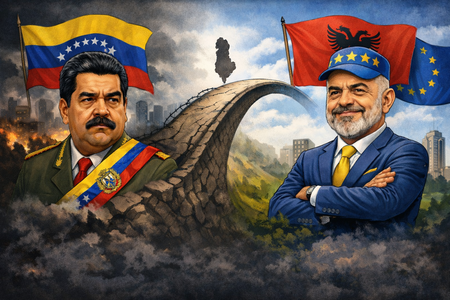
The sudden end of Nicolas Maduro, once one of the most vocal figures of the anti-American axis, occurred not on the battlefield, but in silence. He was captured by US special forces and disappeared from the international scene without a single statement from Vladimir Putin and his allies.
To many, this may seem like betrayal. But it is actually strategy. Russia has made a clear choice: it will not waste energy defending distant allies like Venezuela. Just as the US will not risk another war over Ukraine. This is the silent pact that is shaping a new world order.
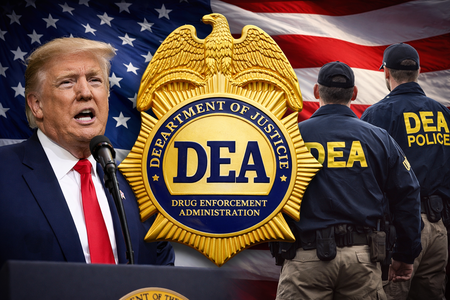
In this order, the US is making a strong comeback in its own backyard, Latin America; with direct military intervention and little diplomacy. Trump has made the Western Hemisphere a strategic priority, hinting that there will no longer be a "blank check" for Ukraine.
On the other hand, Russia consolidates influence on its borders and prepares to challenge NATO where it finds it easiest: in the Balkans and Eastern Europe.
Serbia, Bosnia, Armenia, and perhaps even Moldova, are areas open to intervention, especially if the US continues to withdraw.
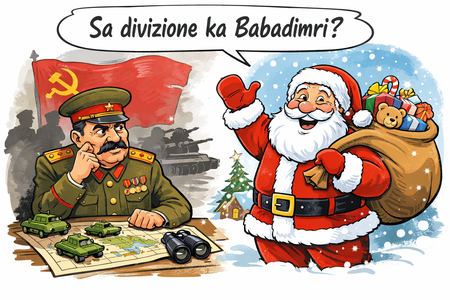
This is no longer a major ideological clash. It is a division of territories of influence, a return to the logic of great powers respecting each other's "spaces," as long as it doesn't happen in their backyard.
Maduro is just the first test. More tragic will be the case when a new "Maduro" is overthrown in the Balkans or the Baltics, and the world is silent again; because the game has already been closed. And it has been closed without any public agreement, but with actions that speak louder than words.
Albania in this new geopolitical equation
In this new global constellation, Albania risks remaining a spectator on a chessboard where moves are decided far from Tirana. While the West is reformulating priorities and Russia is testing NATO's patience, the Albanian diplomatic stance has been correct, but not proactive.
Albania has supported Ukraine and sanctions against Russia, but has remained silent about the growing Russian influence in the region, especially developments in Serbia, Bosnia, and North Macedonia's slide into political crisis. If this silent pact between the great powers is formalized, then the Balkans will turn into a buffer zone, where every diplomatic or military move takes on strategic importance.
Tirana must understand that neutrality is not an option, especially when historical allies like the US are making difficult choices in global politics. Albania needs a bolder foreign policy, more engaged in Euro-Atlantic forums, and more vocal about the destabilizations brewing in the region.
Because if once the "test" was Venezuela, next time it could be much closer to our borders./ Pamphlet


Voleobolli eshte ma nep ta nap e kaloje matane, ka thene i madhi Loro Borici.