


 Shkruar nga Pamfleti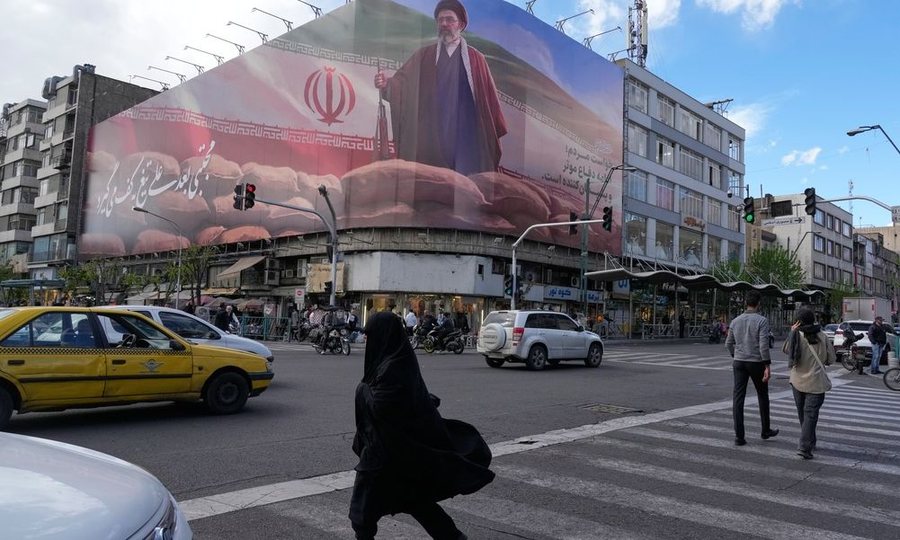
Washington and Tel Aviv underestimated Tehran's willingness to resist. Now they face the consequences of a conflict that continues to affect regional security and the global economy...
BBC analyst Jeremy Bowen says US President Donald Trump and Israeli Prime Minister Benjamin Netanyahu have seriously underestimated Iran's resolve to counter US and Israeli attacks. As a result, the United States and Israel are facing consequences that affect the rest of the world.
Although the US and Iran have signaled they do not want to return to the war that was suspended after the April 8 ceasefire, tensions remain high. Talks, brokered by Qatar, Pakistan and others, continue despite harsh rhetoric and military moves from both sides.
The United States continues to maintain significant naval and air forces near Iran, while Tehran is using the ceasefire period to regroup and repair the damage caused by American and Israeli attacks. The situation in the Persian Gulf remains fragile and the risk of military miscalculation is high.
Washington aims to maintain pressure on Iran to force it to make concessions, while Tehran continues to emphasize that it is ready to retaliate, including with attacks on American bases and energy infrastructure in the region.
One of the immediate goals of diplomacy is to preserve the ceasefire and reach a memorandum of understanding that would pave the way for further negotiations. However, the situation has been complicated by Israel's warnings about resuming military operations in Lebanon. According to Bowen, Netanyahu has not supported the ceasefire with Iran and continues to consider any US-Iranian agreement unacceptable.
Iran continues to support Hezbollah in Lebanon and has signaled that a broader deal with the US should include a halt to Israeli operations. Meanwhile, Trump appears to be trying to contain Israeli escalation.
Another key issue is the Strait of Hormuz. Tehran is expected to seek sanctions relief or the unblocking of frozen assets in exchange for reopening the sea corridor, which is strategically important for global energy trade. The closure of this route has significantly reduced world supplies of oil and gas, adding to the pressure on the international economy.
Bowen argues that Trump faces a political dilemma. The war against Iran is unpopular in the US and a new escalation could increase domestic opposition. On the other hand, the concessions that Iran might demand for the reopening of Hormuz are met with resistance in the most hardened circles of the Republican Party.
The US president also avoids any comparison between the current negotiations and the 2015 nuclear deal, reached during the Barack Obama administration, from which the US withdrew during Trump's first term.
According to BBC analysis, Iranian leaders believe they are fighting for the survival of the regime and there is no sign that further US or Israeli attacks would force them to retreat. Meanwhile, the oil-producing Arab countries of the Persian Gulf are facing long-term economic consequences, as the conflict has damaged the region's image as a safe hub for investment and trade.
Qatar and Pakistan continue mediation efforts to resume dialogue. The United Arab Emirates has deepened strategic cooperation with Israel, while Saudi Arabia has stressed that its military actions against Iran are not part of a joint coalition with the US and Israel.
In conclusion, Jeremy Bowen assesses that Trump and Netanyahu believed that their countries' air superiority would be enough to topple the Iranian regime. According to him, this assessment turned out to be wrong. The regime in Tehran has survived for decades despite wars, sanctions and isolation, while now the US, Israel and the global economy are facing the consequences of this conflict.




Lini një Përgjigje