


 Shkruar nga Pamfleti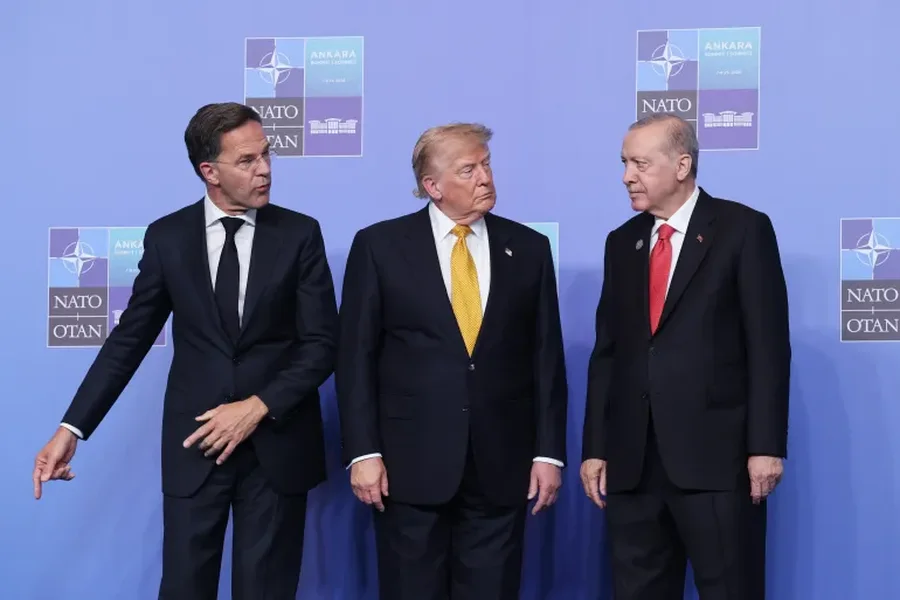
On a deeper level, Trump's presence signals a recalibration of the United States' strategic calculations regarding the Islamic Republic of Iran and the "axis of resistance"...
Was Trump's presence at the NATO summit in Turkey, amid rising anti-Iranian rhetoric and orders to attack Iran, simply a participation in a diplomatic meeting on European security? This question is of great importance, because recent developments cannot be understood at a superficial level alone.
At a deeper level, Trump’s presence signals a recalibration of the United States’ strategic calculations toward the Islamic Republic of Iran and the “axis of resistance.” This recalibration is based on the premise that direct military, political, and economic pressure, despite the costs imposed, has failed to produce the desired change in Iran’s behavior, power configuration, or strategic orientation. Accordingly, Washington is gradually shifting from a paradigm of direct pressure to a hybrid and multilayered model in which domestic pressure, transformation of Iran’s peripheral environment, building extra-regional coalitions, and the simultaneous reshaping of regional agendas form parts of a single strategic architecture.
The logic behind this strategic shift is that Iran must be pressured not through a single decisive blow, but through simultaneous trajectories of weakening at multiple levels. The objective is not simply to increase the external costs imposed on the Islamic Republic of Iran, but to create conditions in which the country’s decision-making apparatus is forced to devote a greater portion of its capacity to managing overlapping domestic, border, and regional pressures. In other words, the new US strategy is based on generating simultaneous pressure within Iran, across its geopolitical periphery, and across its entire network of regional ties.
At the domestic level, this strategy relies on intensifying social pressure and gradually eroding public resistance. The goal is not simply to provoke periodic discontent or acute crises, but to increase the cost of governance by damaging critical infrastructure and targeting the basic systems that support daily life, including energy, water, transportation, and other sensitive centers of public and economic services. Combined with security pressure and regional constraints, this pressure could divert some of the Islamic Republic of Iran’s decision-making capacity from broader strategic priorities to managing domestic crises.
However, this dimension of the strategy cannot be fully effective without transforming Iran’s peripheral environment. From this perspective, the US and Israel seek to recalibrate the regional theater in a way that simultaneously engages Tehran on several peripheral fronts. Recent experience has shown that, despite extensive military, security, and intelligence operations, Hezbollah has not been eliminated from the broader power equation, nor has the Palestinian resistance been contained. Ansar Allah (the Houthi movement) has not relinquished its regional position, and resistance-related forces in Iraq have not been removed from the political and security arena. These failures have led Washington to conclude that Iran cannot be weakened without a simultaneous reconfiguration of its peripheral environment.
Within this framework, three complementary trajectories can be identified. The first is to engage Iran within its border ring by activating pockets of insecurity in the west, northwest, southeast, or northeast. The second is to intensify pressure on Iran’s regional allies, from Lebanon and Palestine to Iraq and Yemen. The third is to secure a limited but significant achievement on the ground that could be presented as evidence of pushing Iran back or reducing the depth of its regional influence. Within this logic, even limited actions, surgical operations, and pressure on sensitive economic and security nodes in Iran should not be seen as isolated incidents, but as components of a broader strategic design.
Against this backdrop, the NATO summit in Turkey takes on a significance that goes beyond a routine meeting. It is not simply a forum to discuss European security, but a platform for linking the Iranian dossier to the broader Western security architecture. The US is seeking to elevate the Iranian issue beyond a bilateral dispute and transform it into a shared concern for the Western coalition. From this perspective, NATO is not only a military alliance, but also a tool for the political, security and narrative alignment of Western allies against Iran.
Në këtë kontekst, prania e Trump në samit mund të kuptohet si shërbim i katër objektivave të ndërlidhura. I pari është konsolidimi i ndërtimit të koalicionit kundër Republikës Islamike të Iranit. SHBA-të kërkojnë të përdorin dosje të tilla si Ukraina, siguria energjetike dhe stabiliteti i rrugëve strategjike tregtare e energjetike për të siguruar një afrim më të madh evropian ndaj pozicionit anti-iranian. Rëndësia strategjike e Ngushticës së Hormuzit dhe efektet e paqëndrueshmërisë në Azinë Perëndimore mbi sigurinë ekonomike të Evropës i lejojnë Uashingtonit të lidhë shqetësimet evropiane me prioritetet e veta anti-iraniane. Megjithatë, qëndrimet e miratuara nga disa shtete evropiane sugjerojnë se ky konsensus mbetet i paplotë dhe se Uashingtoni ende përballet me kufizime në shndërrimin e Evropës në një partnere të plotë në fushatën e saj të presionit maksimal kundër Iranit.
Objektivi i dytë është të legitimojë veprimet e ardhshme. Uashingtoni është plotësisht i vetëdijshëm se veprimet e njëanshme kundër Iranit mbartin kosto të konsiderueshme politike dhe ligjore. Prandaj, duke kultivuar një shtrirje jashtë-rajonale, ai kërkon të vendosë çdo masë të mëvonshme brenda një kuadri narrativ më kolektiv dhe në dukje më të mbrojtshëm. Në këtë kuptim, ndërtimi i koalicioneve nuk është thjesht një mekanizëm për grumbullimin e pushtetit, por edhe një instrument për prodhimin e legjitimitetit për fazat e mëvonshme të presionit.
Objektivi i tretë është koordinimi me Turqinë dhe shfrytëzimi i kapaciteteve të saj periferike. Çdo lëshim i dhënë Ankarasë duhet të kuptohet brenda kuadrit të përpjekjeve të SHBA-së për ta afruar Turqinë me modelin e saj rajonal. Dinamika kufitare, etnike dhe e sigurisë që rrethon Iranin, veçanërisht në perëndim dhe veriperëndim, mund të marrë një rol aktiv në një strategji të tillë. Nga kjo perspektivë, konsultimet e SHBA-së me Turqinë nuk mund të kuptohen vetëm si një përpjekje për të rregulluar marrëdhëniet dypalëshe. Ato përbëjnë gjithashtu pjesë të një përpjekjeje për të aktivizuar burimet e presionit përgjatë periferisë së Iranit.
Objektivi i katërt është përdorimi i kapacitetit të Sirisë për të ndikuar në Liban dhe për të intensifikuar presionin mbi Hezbollahun. Parë përmes këtij këndvështrimi, zhvillimet në Siri nuk kufizohen vetëm në vetë vendin, por mund të bëhen një platformë për rikalibrimin e ekuacionit libanez dhe për të ushtruar presion më të madh mbi rezistencën. Nëse pranojmë premisën se SHBA-të po lidhin dosjet siriane, libaneze dhe turke brenda një kuadri të unifikuar, këto katër objektiva nuk mund të shihen të izoluara. Ato janë hallka në një zinxhir të vetëm që synon të përshkallëzojë presionin politik, të sigurisë dhe në terren mbi Iranin dhe boshtin e rezistencës.
Krahas këtyre dimensioneve, disa dosje shtesë po ripërcaktohen në shërbim të së njëjtës arkitekture strategjike. Në Gaza, regjimi sionist duket se ka shkuar përtej konfliktit mbi administratën politike të Hamasit. Duke kundërshtuar rindërtimin në zonat jashtë të ashtuquajturave zona të verdha ose tamponëve të sigurisë, tani po kërkon të krijojë një konfigurim të ri demografik dhe territorial. Çështja nuk është thjesht qeverisja politike e Gazës, por transformimi i territorit në një mjedis të përmbajtur, të shteruar dhe të kufizuar, duke i mundësuar Izraelit të zhvendosë fokusin e tij drejt Bregut Perëndimor. Atje, objektivat janë stabilizimi i sigurisë, kufizimi i rezistencës dhe parandalimi i zhvillimit të Bregut Perëndimor në një qendër aktive dhe të qëndrueshme konflikti. Prandaj, Gaza dhe Bregu Perëndimor nuk janë dy dosje të ndara, por dy krahë të një strategjie të vetme për të përmbajtur rezistencën palestineze.
Edhe në Jemen, ka indikacione se dosja Ansar Allah po hyn në një fazë të re. Sipas këtij vlerësimi, Izraeli krijoi një “Tavolinë Jemeni” brenda Mossadit afërsisht tetë muaj më parë – një veprim që tregon rëndësinë në rritje të kësaj dosjeje në inteligjencën dhe llogaritjet operacionale të regjimit sionist. Tani mund të ketë ardhur koha për të operacionalizuar disa nga planet e kësaj tavoline, duke bërë që veprimet e synuara nga Izraeli dhe SHBA-të kundër Ansar Allah të Jemenit të jenë të mundshme në të ardhmen e afërt. Nëse kjo trajektore aktivizohet, Jemeni do të bëhet një teatër tjetër i rëndësishëm në intensifikimin e presionit të njëkohshëm kundër boshtit të rezistencës.
Në Irak, përmbajtja ose dobësimi i forcave të lidhura me rezistencën mbetet gjithashtu një element i pandashëm në axhendën e SHBA-së dhe merr një rëndësi më të madhe kur merret në konsideratë së bashku me zhvillimet e tjera rajonale. Si pasojë, ne nuk po përballemi me një koleksion krizash të ndryshme, por me një varg dosjesh të ndërlidhura që ndiqen brenda një dizajni shumështresor që synon të riformësojë ekuilibrin e pushtetit në Azinë Perëndimore.
Të marra së bashku, këto zhvillime tregojnë se SHBA-të, në vend që të mbështeten në një instrument të vetëm, po aktivizojnë një rrjet presionesh të ndërlidhura kundër Republikës Islamike të Iranit. Presioni i brendshëm, presioni përgjatë kufijve të Iranit, presioni mbi aleatët e tij rajonalë dhe presioni i kanalizuar përmes ndërtimit të koalicioneve ndërkombëtare, të gjitha përbëjnë pjesë të kësaj arkitekture të përbashkët. Qëllimi i saj përfundimtar është të ripërcaktojë ekuilibrin e fuqisë në Azinë Perëndimore në favor të SHBA-së dhe regjimit sionist, ndërsa e detyron Iranin të përqendrohet në menaxhimin e krizave që mbivendosen dhe kanë shumë fronte.
However, this strategy is clearly doomed to failure. Recent years have shown that many American and Zionist designs, despite their military superiority, political support, and complex security networks, have ended in exhaustion, disintegration, and failure when faced with the realities on the ground, the constraints imposed by local conditions, and the deep determination of resistance actors. Moreover, the funeral processions attended by millions of people for the martyred commander in Iran and Iraq have shown once again that a true and sustainable order in West Asia is not created through American external engineering, but around the social will of nations, the historical memory of resistance, and the deep bonds formed through opposition to domination.
Therefore, although Washington is trying to recalibrate its pressure on Iran and the axis of resistance through a more complex and multi-layered design, the political and social realities of the region show that this project, like the paradigms that preceded it, is facing its own internal limitations, fatigue and ultimate defeat. Consequently, the emerging order in West Asia cannot be considered as a product of American will, but as the result of the gradual rise of a popular, deeply rooted and anti-American order over externally imposed and designed projects./ Adapted from "Pamphlet" by "Aljazeera"








Lini një Përgjigje