


 Shkruar nga Pamfleti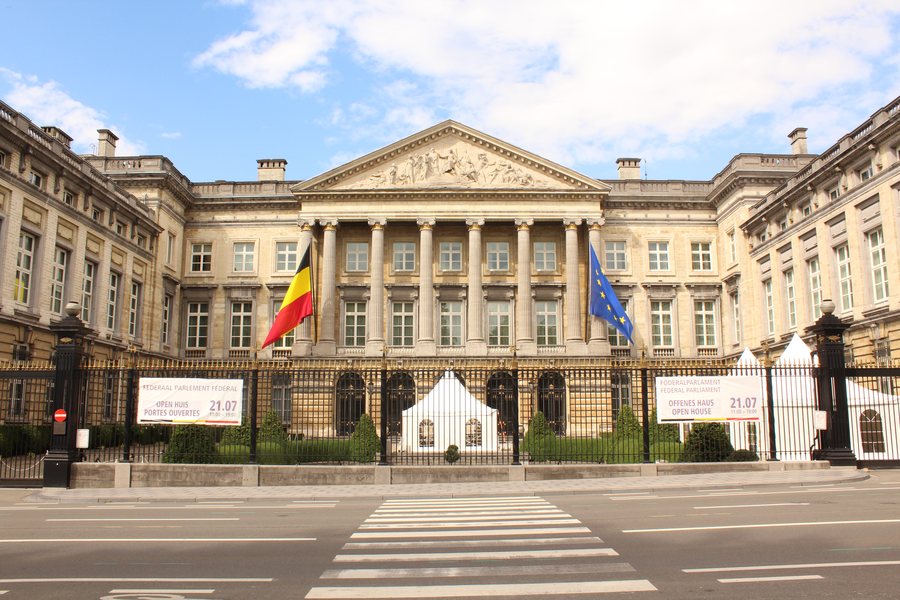
Belgium's biggest fear is that 140 billion euros could be lent to Ukraine and then a single pro-Russian EU country, such as Hungary or Slovakia, could veto the renewal of the EU sanctions regime against Moscow. This would mean that Belgium would have to immediately return the billions lost to Russia...
Belgium's biggest fear is that 140 billion euros could be lent to Ukraine and then a single pro-Russian EU country, such as Hungary or Slovakia, could veto the renewal of the EU sanctions regime against Moscow. This would mean that Belgium would have to immediately return the billions lost to Russia.
The European Commission is offering a legal solution to allay one of Belgium's deepest fears about a nightmare scenario that could occur if 140 billion euros of Russian assets frozen in Brussels are used as loans to Ukraine.
The Commission wants the 27 EU member states to agree to lend the frozen billions to Kiev at a European Council summit this month. However, Belgium is resisting its concerns that it would be liable if the money had to be returned to Russia.
Five EU diplomats and officials said a legal framework is now being drafted to avoid this. A full proposal for the loan is expected on Wednesday.
Belgium's biggest fear is that 140 billion euros could be lent to Ukraine and then a single pro-Russian EU country, such as Hungary or Slovakia, could veto the renewal of the EU sanctions regime against Moscow. This would mean that Belgium would have to immediately return the billions lost to Russia.
The Commission’s solution to keeping Belgium happy is to avoid the possibility that an EU country would be able to overturn the sanctions. Currently, Hungarian Prime Minister Viktor Orbán has the power to do just that, as the sanctions require unanimity and must be renewed every six months.
The Commission now sees a way out of this. It wants to use a clause in Article 122 of the EU treaty, which allows governments to decide, in a spirit of solidarity between Member States, on measures appropriate to the economic situation.
The Commission wants to interpret this as meaning that the financial stakes are so high in this case that a qualified majority of nations will be able to approve an extension of the sanctions, removing a potential Hungarian veto. One diplomat said the strategy was a way “to secure Belgium’s support.”
EU lawyers agree that the fluid language of Article 122 could justify revising the unanimity requirement because a reversal of sanctions would wreak havoc on the European economy. It could also be used to extend the vote on renewing sanctions from the current six-month period to three years, diplomats briefed on the discussions said.
Time is of the essence now, because failure to reach a deal will leave Ukraine with a limited budget to fight Russian forces before its coffers run dry in April. The alternative is for EU taxpayers to shoulder the cost of Ukraine’s war, while Moscow’s billions in sanctions remain untouched.
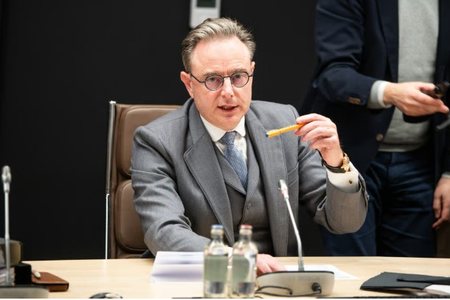
The key question is whether the latest legal gymnastics by the Commission will convince Belgian Prime Minister Bart De Wever to allow the release of Russian funds from the Euroclear bank in Brussels. De Wever's office declined to comment on the legal settlement.
The question of how to revise the EU’s sanctions rules has been debated for years in the corridors of power in Brussels. In October, the EU executive suggested using last year’s European Council conclusions as a legal basis to freeze Russia’s assets until it pays post-war reparations. But some countries opposed the idea, fearing that using old policy statements to dictate future policies would set a dangerous precedent./ Adapted from “Pamphlet” by “Politico”


Lini një Përgjigje