


 Shkruar nga Pamfleti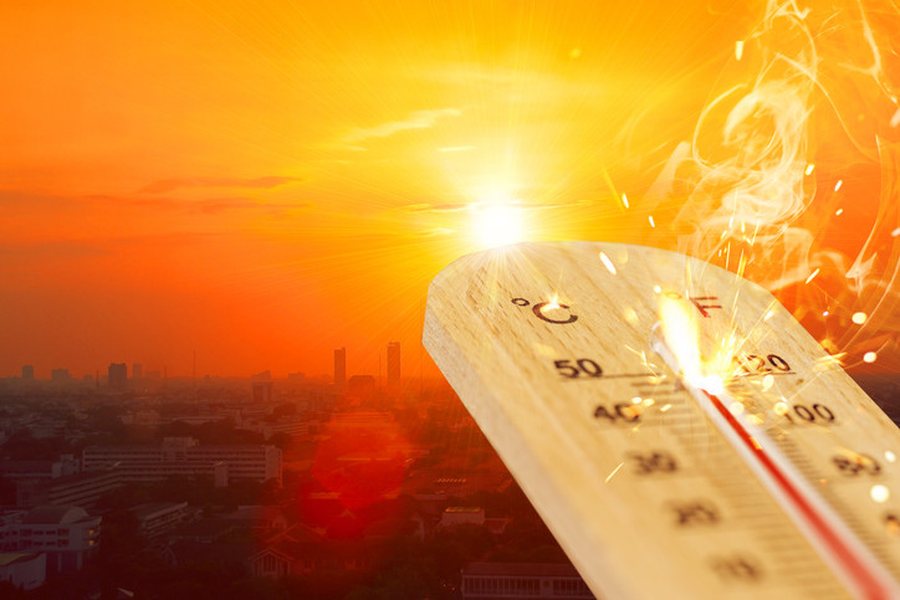
Global temperatures are expected to remain near record levels over the next five years, while the Arctic will continue to warm much faster than the rest of the planet.
The warning was made in a report by the World Meteorological Organization (WMO) and the British Meteorological Service.
According to the report, the average global temperature is projected to be between 1.3 and 1.9 degrees Celsius above pre-industrial levels.
Experts emphasize that there is strong evidence that the global climate is warming and that temperatures continue to rise.
The report warns that between 2026 and 2030, the world could temporarily cross the critical threshold of 1.5 degrees Celsius above pre-industrial levels. Also, one of the years in this period could surpass the record of 2024, which is considered the hottest year ever recorded.
Scientists clarify that a temporary exceedance of this limit does not automatically mean the failure of the Paris Agreement, but warn that the planet is getting closer and closer to this scenario.
The Arctic is warming faster than the rest of the world
The report highlights that winter temperatures in the Arctic will rise more than 3.5 times faster than the global average over the next five years.
According to experts, the melting of glaciers in the Arctic could have major consequences, triggering more extreme weather phenomena and affecting global climate systems.
Forecasts also point to more intense rainfall in Northern Europe, Alaska and Siberia, while other regions, such as the Amazon, could face more severe drought periods.
Meanwhile, the El Niño climate phenomenon is expected to strengthen during the winter and could last until 2027, contributing to the further increase in global temperatures towards new record levels.







Lini një Përgjigje