


 Shkruar nga Pamfleti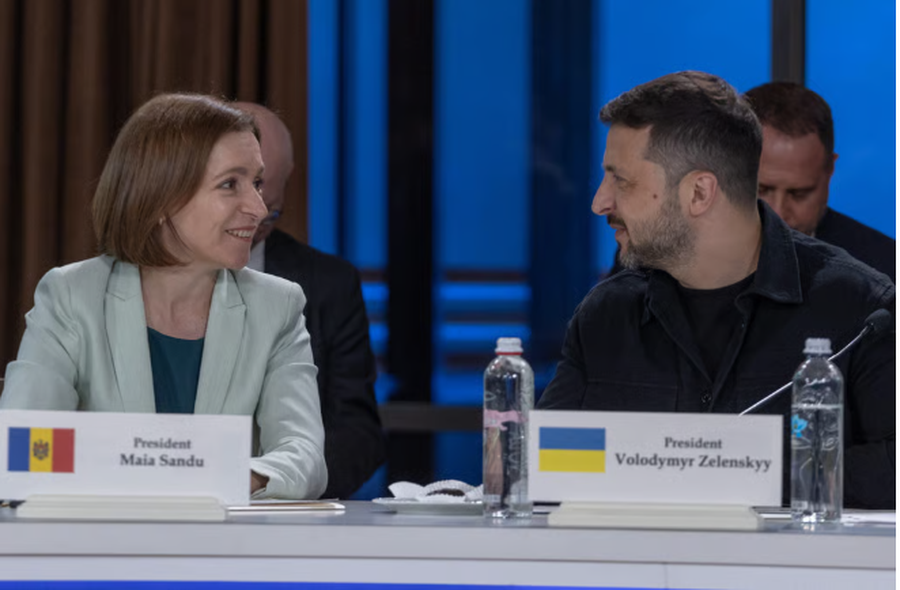
All 27 member states of the European Union voted on Friday evening in favor of opening the first round of accession negotiations with Ukraine and Moldova.
Following this decision, the first round of negotiations will open on Monday, European Commission President Ursula von der Leyen announced in a post on the X platform. The first round focuses on fundamental issues, covering the bloc's core values and principles, from the rule of law to democratic institutions.
Both Ukraine and Moldova have faced Russian military aggression since the collapse of the Soviet Union and see European Union membership as a crucial move away from Moscow's influence.
The Kremlin has long complained about Ukraine's strengthening ties with Western countries, as well as discussions about its NATO membership, citing this as part of the initial justification for launching Russia's full-scale invasion of Ukraine in February 2022.
"This is a testament to the determination, courage and hard work that both countries have shown in advancing reforms, even in the face of extraordinary challenges," von der Leyen said in a statement, adding that "and a signal that the European Union's offer of peace, stability and opportunity is unmatched."
During the all-out war that Russian President Vladimir Putin launched against Ukraine in 2022, Ukrainian President Volodymyr Zelenskyy has consistently made EU membership a strategic priority, with the aim of protecting the country from future Russian interference.
"As we have said, Ukraine is doing what is necessary and it is important that the European Union also keeps its word," Zelensky wrote in a post on X, where he also congratulates Moldova on this step, which it is taking together with Ukraine.
In Moldova, the separatist region of Transnistria remains under the control of Russian troops in a frozen conflict that dates back to a 1992 ceasefire. In 2024, the Kremlin also attempted to interfere in Moldova's presidential elections, which ended with the pro-Western president Maia Sandu remaining in power.
The vote by EU ambassadors on Friday evening came after Hungary dropped its long-standing opposition to Ukraine's bid to join the European Union.
Budapest had strongly opposed Kiev's membership during the rule of former Hungarian Prime Minister Viktor Orbán. However, the country's new leadership, which took power last month, appeared ready to lift its veto after a meeting between Ukrainian and Hungarian experts on issues related to the rights of the Hungarian minority living in Ukraine.






Lini një Përgjigje