


 Shkruar nga Pamfleti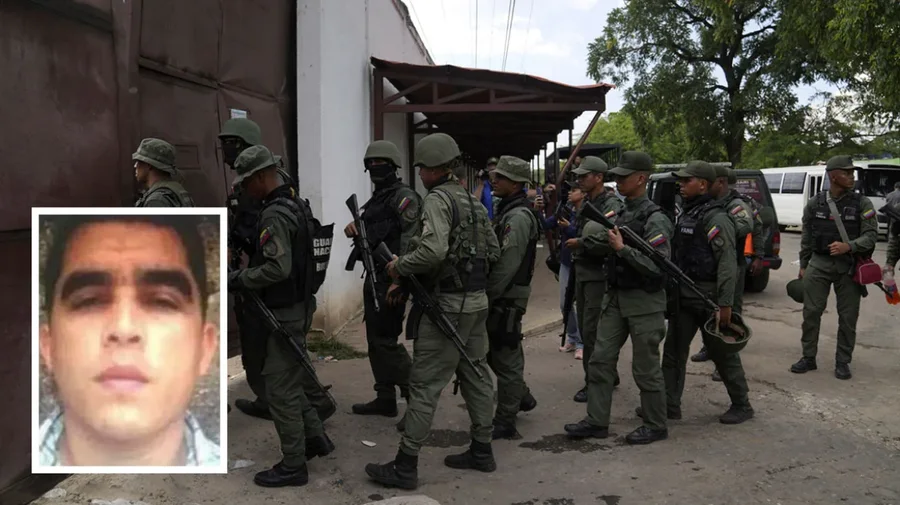
The US claims to have killed leader Nino Guerrero. The organization controlled migrant, drug and human trafficking networks in several countries in the region, and had its operational center inside a prison in Venezuela…
The US announced that it had eliminated Nino Guerrero with an airstrike, leading to the dismantling of the largest criminal organization in Venezuelan history, with more than 4,000 members. Its activity was mainly focused on migrant smuggling and drug trafficking, taking advantage of the wave of immigration from Venezuela and creating structures similar to criminal "franchises" in Chile and Colombia.
"We eliminated Nino Guerrero, the leader of the bloodiest gang on the planet!" These were the words of Donald Trump in a post made today regarding the strike against the leader of "Tren de Aragua", the largest criminal organization in Venezuela and one of the most powerful in Latin America.
According to the US president, the US Armed Forces Southern Command (SOUTHCOM), responsible for Latin America and the Caribbean, carried out an airstrike to kill “Nino Guerrero, the notorious leader of the Tren de Aragua, one of the bloodiest terrorist organizations in the world.” Trump also released a video of the operation.
He stated that the military operation was closely coordinated with Venezuelan authorities.
"As a result, the Tren de Aragua terrorists no longer have a safe haven in Venezuela or anywhere else. We will find these murderers and drug lords wherever and whenever they are and take them where they belong," Trump wrote.
What is the Venezuelan gang "Tren de Aragua"?
The Tren de Aragua is the most powerful criminal organization in Venezuela and the only gang in the country to have managed to establish a lasting presence outside its national borders. It began as a small group inside prisons and has grown into an international threat with a wide range of criminal activities. Until the US-announced strike, the organization was led by Hector Rustherford Guerrero Flores, known as “Nino Guerrero.”
Under his leadership, Tocorón prison became one of the most notorious institutions in the country. This was due to the unofficial practice of the Venezuelan authorities of leaving control of some prisons to the leaders of criminal groups, in order to avoid riots. Thanks to this freedom of action and the organization's income, a zoo, swimming pool, playground, restaurant and nightclub were built inside the prison.
After consolidating control within Tocorón, the “Tren de Aragua” began to expand its influence. It initially operated in the San Vicente neighborhood, where it established strong social control and reportedly received support through state programs. Several local gangs in the state of Aragua signed non-aggression pacts with the organization.
Në vitet që pasuan, grupi u zgjerua në shtete të tjera të Venezuelës përmes aleancave me organizata më të vogla kriminale, duke siguruar prani në të paktën pesë shtete të rëndësishme të vendit. Aktivitetet e tij përfshinin:
zhvatje;
rrëmbime;
trafikim njerëzor për shfrytëzim seksual;
kontrabandë migrantësh;
kontrabandë mallrash;
nxjerrje të paligjshme mineralesh;
shpërndarje droge;
krime kibernetike;
vjedhje
Si përfitoi nga emigracioni masiv venezuelian
Zgjerimi ndërkombëtar i “Tren de Aragua” filloi rreth vitit 2018, kur organizata u përpoq të vendosej në zonën kufitare mes Venezuelës dhe Kolumbisë, midis shtetit venezuelian Táchira dhe departamentit kolumbian Norte de Santander. Atje u përball me grupe të fuqishme kriminale kolumbiane, përfshirë Ushtrinë Çlirimtare Kombëtare (ELN) dhe AGC. Këto organizata luftonin për kontrollin e kalimeve të paligjshme kufitare, të njohura si trochas, të përdorura për trafik droge, kontrabandë dhe lëvizje të paligjshme migrantësh.
“Tren de Aragua” krijoi një bazë në qytetin kufitar kolumbian La Parada, ku mbërrinin për herë të parë shumë venezuelianë që largoheshin nga vendi i tyre. Organizata pa një mundësi fitimi te dëshpërimi i bashkatdhetarëve të saj. Ndërsa grupet kryesore kriminale kolumbiane fokusoheshin te trafiku i drogës, “Tren de Aragua” nisi të shfrytëzonte sistematikisht migrantët venezuelianë, duke i zhvatitur, kontrabanduar dhe duke marrë kontrollin e pjesëve të tregut të trafikimit seksual.
Mes viteve 2018 dhe 2023, organizata krijoi një rrjet kriminal ndërkombëtar me degë në Kolumbi, Peru dhe Kili, ndërsa raportime të tjera flasin për prani edhe në Ekuador, Bolivi dhe Brazil. Zgjerimi ndoqi rrjedhat migratore nga Venezuela dhe për një kohë kaloi pothuajse pa u vënë re, sepse grupi përqendrohej kryesisht te komunitetet venezueliane të emigrantëve.
Me forcimin e degëve të saj jashtë vendit, organizata depërtoi në ekonomitë kriminale lokale dhe përdori dhunë të dukshme për të larguar grupet rivale. Përveç zhvatjes dhe kontrabandës së migrantëve, degët e “Tren de Aragua” kontrollonin rrjete huadhënieje të paligjshme, shpërndarje droge, rrëmbime, trafik ndërkombëtar droge në shkallë të kufizuar, trafikim njerëzor dhe grabitje.
Secila degë specializohej në aktivitete të ndryshme sipas kushteve lokale. Me rritjen e dhunës, qeveritë e vendeve ku vepronte organizata nisën operacione të gjera kundër saj. Në shtator 2023, autoritetet venezueliane rimorën kontrollin e burgut Tocorón, bastionit historik të grupit, ndërsa forcat e sigurisë në Kili, Peru dhe Kolumbi zhvilluan operacione të mëdha kundër anëtarëve të saj.
The White House has also invoked the Alien Enemies Act of 1798, claiming that the “Tren de Aragua” entered American territory with the support of Nicolás Maduro’s regime. The US has deported hundreds of Venezuelans to El Salvador, linking them to the criminal organization, often without providing concrete public evidence for these accusations.
Who was Nino Guerrero?
Hector Rustherford Guerrero Flores, known as “Nino Guerrero,” was considered the leader of the organization and is said to have run it from Tocorón prison until September 2023. He escaped before the prison recapture operation, having been warned in advance, according to Venezuelan civil society organizations. His whereabouts remained unknown until Donald Trump announced his killing.
According to the Venezuelan Supreme Court, Guerrero began his criminal activities in 2005, when he killed a police officer in Aragua. He was first imprisoned in Tocorón in 2010, but escaped two years later. After being recaptured and returned to prison in 2013, he consolidated the “Tren de Aragua” together with his closest associates, including Larry Amaury Álvarez, known as “Larry Changa,” and Johan Jose Guerrero, known as “Johan Petrica.”
Álvarez fled Tocorón in 2015 and arrived in Chile in 2018 to lead the organization's expansion into that country. When Chilean police began investigating him in 2022, he moved to Colombia. In July 2024, he was arrested in the department of Quindío.
Meanwhile, Johan Petrica led a powerful illegal gold mining group in Las Claritas, in southern Bolivar state. Some reports suggest that Nino Guerrero may have been hiding with him after the Tocoron operation.
Why the organization was losing influence
The Tren de Aragua was the first Venezuelan criminal group to spread throughout South America, considered a threat to regional security. However, its international expansion slowed significantly after the loss of its main base in Tocoron and the arrest of several top leaders in Colombia.
Security forces in Colombia, Chile, and Peru have arrested hundreds of members since 2022. These crackdowns have led to the fragmentation of the organization, which today operates more as a network of scattered branches than as a centralized structure.
The change in migratory flows has also affected the group's income. The massive emigration of Venezuelans between 2018 and 2022 created the conditions for the organization to gain control over smuggling and trafficking networks. But the shift of migratory routes to the United States, through Central America, reduced its profits, while the main smuggling corridors were now controlled by other, more powerful criminal organizations. As a result, the "Tren de Aragua" was unable to expand into that criminal market. /Pamphlet/





Lini një Përgjigje