


 Shkruar nga Pamfleti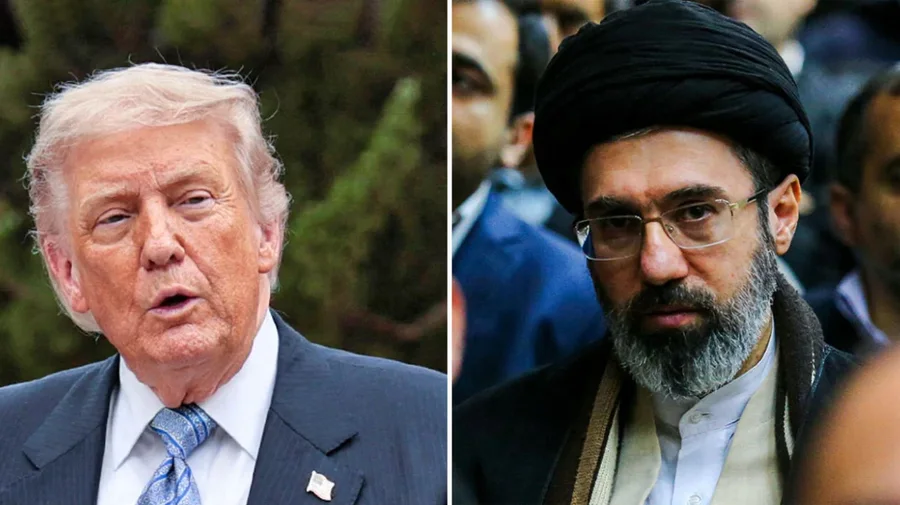
The memorandum of understanding will lead to a ceasefire on all fronts, including Lebanon, and Israel must withdraw. The possibility of changes remains open, as each side tries to present the agreement as a victory…
Donald Trump and Tehran say they are closer than ever to an agreement to end the war, with key issues including the reopening of the Strait of Hormuz, Iran's nuclear program and the lifting of the US naval blockade of Iranian ports.
In a live television interview on Friday evening, Iranian Foreign Minister Abbas Araghchi stated that the agreement is now in its final stages and that its main details have been approved by Iran's highest political and institutional leadership, including Supreme Leader Mojtaba Khamenei and the National Security Council.
According to him, the memorandum of understanding will lead to the end of the conflict on all fronts, including Lebanon. The Iranian Foreign Minister also said that, for the first time in 47 years, Iran and the United States will declare in writing that they mutually respect each other's sovereignty and political system.
At the same time, he stressed that Israel must withdraw from the territories it continues to control in Lebanon and stop attacks, as part of the overall agreement to end the war. According to Araghchi, Tehran has already conveyed this position to Washington and believes that respecting commitments by all parties can pave the way for a more lasting peace in the region.
According to The New York Times, the United States and Iran have reached a preliminary agreement that envisages an end to the armed conflict, the reopening of the Strait of Hormuz, and the lifting of the American naval blockade of Iran.
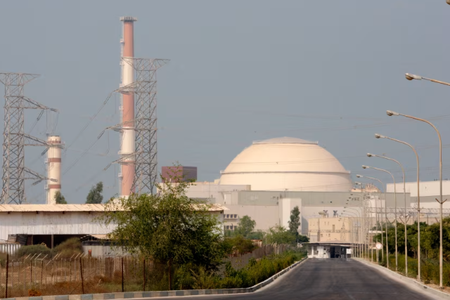
The same sources report that Iran will reaffirm its commitment not to develop or possess nuclear weapons. However, the future of its nuclear program is not resolved by this agreement and will be the subject of a new round of negotiations at a later stage.
Iranian Foreign Ministry spokesman Esmail Baghaei told state media that Tehran has reached a common understanding with the US on "most issues" and is in the final stage of internal consultations on the text of the agreement.
"As we speak, meetings are taking place between relevant Iranian institutions," he declared.
Different interpretations of the agreement
Both Washington and Tehran are trying to portray the deal as a success that serves their strategic objectives.
Ndërsa Araghchi foli për një afrim historik mes dy vendeve, zëvendëspresidenti amerikan J.D. Vance u përpoq të qetësojë shqetësimet që janë shfaqur brenda Partisë Republikane lidhur me lëshimet e mundshme ndaj Iranit.
“Marrëveshja është strukturuar në mënyrë të tillë që prioritet të kenë shqetësimet e Shteteve të Bashkuara dhe aleatëve të tyre. Nëse Republika Islamike e Iranit respekton detyrimet e saj, përfitimet ekonomike do të shpërndahen si në vetë Iranin ashtu edhe në të gjithë rajonin”, shkroi ai në rrjetet sociale.
Edhe më optimist u shfaq kryeministri i Pakistanit, Shehbaz Sharif, i cili ka marrë rol ndërmjetësues në përpjekjet për paqe. Në një postim ai pretendoi se “teksti përfundimtar i dakordësuar i marrëveshjes së paqes është arritur”.
Roli i Izraelit dhe shqetësimet e Tel Avivit
Megjithëse Izraeli nuk merr pjesë drejtpërdrejt në bisedime, zyra e kryeministrit Benjamin Netanyahu njoftoi dje se lideri izraelit zhvilloi një bisedë telefonike me Donald Trump.
Sipas njoftimit, presidenti amerikan e siguroi Netanyahun se kufizimet ndaj programit bërthamor iranian do të përbëjnë pjesë të pandashme të çdo marrëveshjeje përfundimtare me Teheranin.
Zyrtarët izraelitë vazhdojnë të shprehin rezerva, duke vlerësuar se Irani mund të shmangë lëshime thelbësore lidhur me programin e tij bërthamor gjatë raundit të ardhshëm të negociatave.
Çfarë parashikon drafti i marrëveshjes
Sipas burimeve të informuara mbi përmbajtjen e bisedimeve, marrëveshja merr formën e një memorandumi mirëkuptimi.
Drafti parashikon nisjen e negociatave për programin bërthamor iranian, me një afat maksimal prej 60 ditësh. Gjatë kësaj periudhe do të ndërpriten përplasjet në të gjitha frontet, përfshirë Libanin.
Mbetet e paqartë se çfarë do të ndodhë pas përfundimit të këtyre 60 ditëve nëse nuk arrihet një marrëveshje gjithëpërfshirëse.
Irani do të lejojë sërish kalimin e anijeve nëpër Ngushticën e Hormuzit, ndërsa SHBA-ja do të përfundojë bllokadën detare ndaj porteve iraniane në Gjirin Persik.
Gjatë negociatave, Irani dhe vendet e tjera të rajonit do të diskutojnë gjithashtu për statusin e ardhshëm të menaxhimit të Ngushticës së Hormuzit.
Nëse teksti finalizohet, nënshkrimi i marrëveshjes pritet të bëhet në ditët në vijim, ndoshta në Gjenevë, ku palët zhvilluan bisedime edhe në shkurtin e kaluar, përpara shpërthimit të luftës.
Delegacioni amerikan pritet të drejtohet nga zëvendëspresidenti J.D. Vance. Vetë Trump deklaroi dje se do ta dërgojë atë për të nënshkruar marrëveshjen nëse ajo përfundon me sukses.
Nga ana iraniane, delegacioni pritet të drejtohet nga gjenerali Mohammad Bagher Ghalibaf, kryetar i Parlamentit iranian dhe një nga negociatorët kryesorë të Teheranit.
Çështjet që mbeten të hapura
Pavarësisht progresit të rëndësishëm, disa tema kyçe mbeten jashtë marrëveshjes aktuale.
For example, a solution has not yet been reached on Iran's stockpile of highly enriched uranium, nor on the overall future of the country's nuclear program. These issues will be moved to the next round of negotiations.
Two Iranian officials, speaking on condition of anonymity, said the next phase would include discussions on lifting US sanctions, including those related to Iranian oil exports and international banking transactions, in exchange for other concessions from Tehran on the nuclear issue.
On Friday, Iran demanded the dilution of its stockpiles of enriched uranium to the 60% level within Iranian territory, while Washington demands their destruction as part of the memorandum currently being discussed.
"Our position has always been that the only way to manage the stockpiles of enriched materials is to dilute them in Iran," Foreign Minister Abbas Araghchi said on state television.
Diluting uranium to a level lower than 5%, far from the 90% level needed to produce a nuclear weapon, would significantly reduce the risk of enrichment for military purposes. /Adapted from Pamphlet /



Lini një Përgjigje