


 Shkruar nga Gaia Bonomelli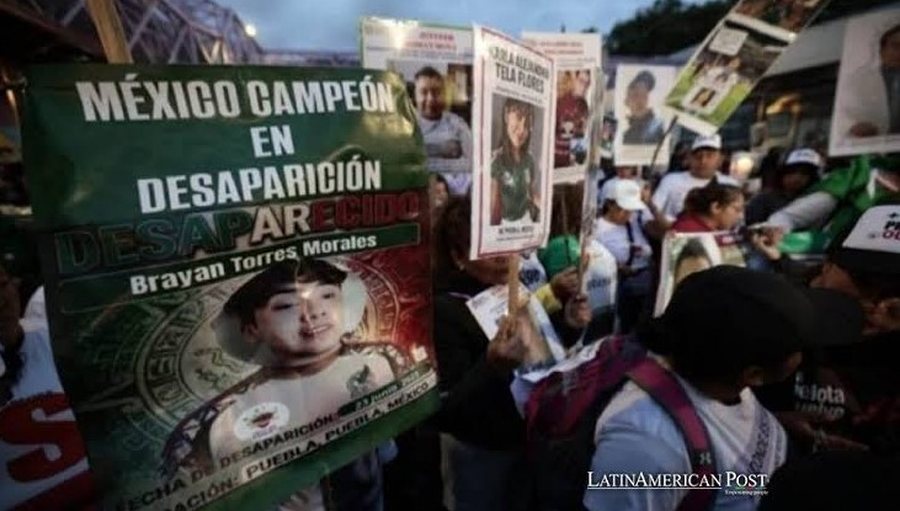
As Mexico hosts part of the 2026 World Cup, thousands of people, mostly women, are staging protests near stadiums to draw attention to one of the country's worst humanitarian crises: the disappearance of more than 135,000 people, mostly by drug cartels.
The three Mexican stadiums that will host World Cup matches have a total capacity of over 184,000 spectators. At the same time, according to official data, the number of missing people in Mexico has reached 134,845.
That means the country's missing could fill the Azteca Stadium alone for the opening match and there would still be a large crowd outside. Edith Olivares Ferreto, executive director of Amnesty International in Mexico, says that "there are more missing people than people who watched the opening match of this World Cup."
For this very reason, organizations representing the families of the missing have decided to use the global attention brought by the sporting event to break the silence around a problem that has alarmed international organizations for years.
In Mexico City, thousands of relatives of missing people marched during the opening match at the Azteca Stadium. Many believe their relatives were forcibly kidnapped by drug cartels, recruited against their will or killed for opposing criminal groups.
In recent weeks, posters with photos of the missing have been placed near the stadium. Among the protest symbols has been the “Ajolote Buscador,” a pink mascot holding a shovel.
This salamander, known for its ability to regenerate, has become a symbol of the resilience of families who continue their search despite long years of waiting and lack of answers.
The shovel represents the tool that many families use to search for bodies in clandestine cemeteries, often without the help of authorities. In the state of Jalisco, one of the areas most affected by disappearances, the association "Luz de Esperanza" has developed a special campaign.
Its members have transformed the search posters into images similar to those in the official World Cup album. Instead of Mexican national team players, the images depict missing people, with their names and stories.
These materials have been placed near tourist areas and FIFA-related activities in Guadalajara. The activists are not against the World Cup, but are criticizing the priorities of local authorities.
Sipas tyre, miliona peso janë investuar për organizimin e ndeshjeve, ndërsa kriza e zhdukjeve vazhdon të trajtohet me mungesë fondesh dhe vullneti politik. Jalisco konsiderohet një nga qendrat kryesore të krimit të organizuar në Meksikë dhe mban një nga numrat më të lartë të rasteve të zhdukjeve të detyruara në vend.
Kritika të forta ka ngjallur edhe plani kombëtar i sigurisë për Botërorin. Autoritetet kanë hartuar një strategji të quajtur “Kukulkán”, e cila parashikon angazhimin e rreth 100 mijë punonjësve të policisë, ushtrisë dhe sigurisë private, të mbështetur nga sisteme të avancuara monitorimi dhe mbikëqyrjeje.
Qëllimi është garantimi i sigurisë së turneut dhe parandalimi i dhunës së karteleve.
Megjithatë, për familjet e të zhdukurve, ky mobilizim masiv tregon kontrastin mes burimeve që shteti është në gjendje të vendosë në dispozicion për një ngjarje sportive dhe mungesës së rezultateve në kërkimin e qytetarëve të zhdukur.
Në fillim të vitit, në Jalisco u zbuluan qindra mbetje njerëzore në varre masive. Gjetjet nuk erdhën si rezultat i operacioneve shtetërore, por falë punës së kolektivëve të familjarëve, të cilët vazhdojnë të kërkojnë në terren me forcat e tyre.
Edhe organizata FUNDENL në Nuevo León ka përdorur simbolikën e futbollit për të tërhequr vëmendjen. Ajo prezantoi një “kombëtare meksikane” të përbërë nga 21 persona të zhdukur, secili me emrin, numrin dhe datën e zhdukjes të stampuar në fanellë.
Vetëm gjatë vitit 2026, në këtë shtet janë raportuar 367 zhdukje, ndërsa 262 persona vazhdojnë të rezultojnë të humbur. Së fundmi, organizata denoncoi përpjekjen e autoriteteve lokale për të mbuluar fotografitë e të zhdukurve në sheshin e dedikuar kujtimit të tyre në Monterrey.
Sipas aktivistëve, posterat u fshehën pas vazove të mëdha dekorative. Në shenjë proteste, familjarët ngjitën fotografitë drejtpërdrejt mbi vazot dhe i treguan simbolikisht “kartonin e kuq” qeverisë lokale për dështimet në hetime.
Kriza e zhdukjeve në Meksikë ka kaluar prej kohësh kufijtë kombëtarë. Në prill, Komiteti i OKB-së për Zhdukjet e Detyruara aktivizoi një procedurë emergjente dhe kërkoi që situata në Meksikë të diskutohej në Asamblenë e Përgjithshme të Kombeve të Bashkuara.
Sipas ekspertëve të OKB-së, zhdukjet nuk përbëjnë më raste të izoluara, por një fenomen të përhapur dhe sistematik që mund të klasifikohet si krim kundër njerëzimit.
Presidentja e Meksikës, Claudia Sheinbaum, i ka kundërshtuar këto vlerësime.
Ajo argumenton se përgjegjësia kryesore bie mbi kartelet e drogës dhe grupet kriminale e jo mbi shtetin. Megjithatë, OKB-ja ka theksuar se ekzistojnë indicie për raste ku zyrtarë publikë ose pjesëtarë të forcave të sigurisë kanë toleruar ose lehtësuar veprimtarinë e grupeve kriminale.
Përballë kësaj situate, organizmat ndërkombëtarë kanë kërkuar më shumë mbështetje për identifikimin e mbetjeve njerëzore, hartëzimin e varreve masive dhe hetimin e lidhjeve të mundshme mes politikës dhe narkotrafikut.
Currently, it is estimated that over 70,000 unidentified bodies are in the custody of state institutions. At the center of this battle are the so-called "madres buscadoras", the searching mothers.
They organize expeditions, search suspicious terrain, visit morgues, and penetrate areas controlled by cartels to find traces of their relatives. According to a 2025 Amnesty International report, 97 percent of women engaged in research have experienced some form of violence.
Threats, extortion, physical attacks, forced displacement, torture, kidnapping and sexual violence are part of the reality they face. During the years 2019-2024, 16 activists engaged in the search for the missing were killed, 13 of them
women. Many of them lost their lives searching for the truth about the fate of their family members.
In addition to the physical danger, these women also face social stigma. Many of them feel abandoned by the authorities and isolated from the communities they live in. Economic and health problems are also numerous.
Reports indicate that around 70 percent of them suffer from serious physical and psychological problems as a result of the stress and long years of searching. Mistrust of institutions remains very high. Only a small proportion of women report attacks they suffer during searches, as they believe that the authorities are unable or unwilling to protect them.
In many cases, family members continue to face the illegal practice of waiting 72 hours before officially starting a search for a missing person, even though the law requires immediate action.
As the world's attention focuses on stadiums, matches and football celebrations, families of missing persons are demanding that the Mexican government accept international aid and treat the crisis with the seriousness it deserves.
For them, the World Cup is not only a sporting celebration, but also an opportunity to remind the world that thousands of people are still missing and that the search for them is not over./ Adapted from "Pamphlet" by Insideover.com








Lini një Përgjigje