


 Shkruar nga Pamfleti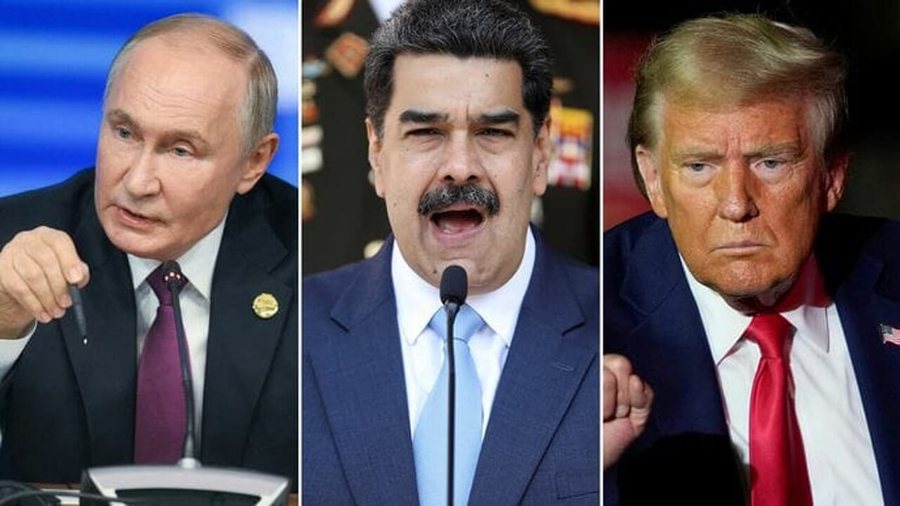
Donald Trump has downplayed the possibility of war with Venezuela but warned that Nicolas Maduro's days are "numbered." Meanwhile, the United States has carried out at least 15 attacks on ships believed to be linked to drug trafficking between the Caribbean and the Pacific, resulting in dozens of deaths. Moscow is watching and maintaining contact with Caracas, strengthened by a recently ratified strategic partnership treaty.
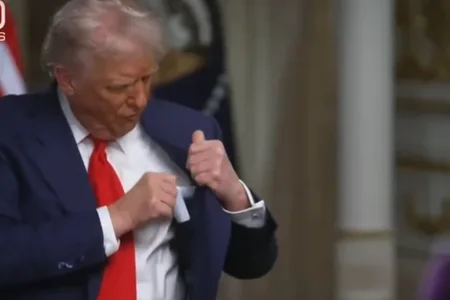
In his interview with 60 Minutes (CBS), the US president ruled out a direct conflict for the time being, but added that Maduro's days "are numbered". His comments come as Washington strengthens its military presence in the region. In recent weeks, the United States has claimed responsibility for a series of attacks on suspected drug trafficking ships: press reports attribute a central role to the CIA in selecting targets through satellite imagery and interceptions. The death toll, updated by news sources and agencies, shows at least 64 deaths since the last attack announced on November 2.
Caracas denounces a climate of provocation: among the accusations, an alleged "false flag" plot against the destroyer USS Gravely during a stop in Trinidad and Tobago. These allegations are not supported by independent evidence.
The Kremlin says it is closely monitoring the situation and hopes that "everything will remain peaceful", while recalling its "obligations" to Caracas: on October 21, the Duma, the Russian parliament, ratified the strategic partnership treaty with Venezuela, a framework covering security, defense and energy. In this context, a Kalashnikov rifle ammunition factory was inaugurated last July in Maracay (Aragua) (which, according to the Russian supplier, will produce up to approximately 70 million rounds per year in the initial phase).
How far can Moscow go?
For Moscow, Latin America functions as a “secondary front”: a space to exert asymmetric pressure on the US and divert resources and attention from other theaters of war (such as Ukraine). The current cooperation with Venezuela is part of a long history of interventions and counter-interventions in the Western Hemisphere, from the clandestine operations of the Cold War to the embargoes and crises of the 1980s.
Analysts agree on one point: with its forces engaged in Ukraine, Russia can provide weapons, expertise, and political cover, but it cannot guarantee deterrence against potential U.S. military action. The strategy, for now, is a balancing act: using the crisis as a negotiating tool with Washington without crossing the tipping point.


Lini një Përgjigje