


 Shkruar nga Gideon Rachman
If the story that is emerging in European politics is a rotation between the center and the far right, this has serious consequences for Britain, France and Germany. In all three countries, central governments are struggling, while the anti-establishment right is gaining ground.
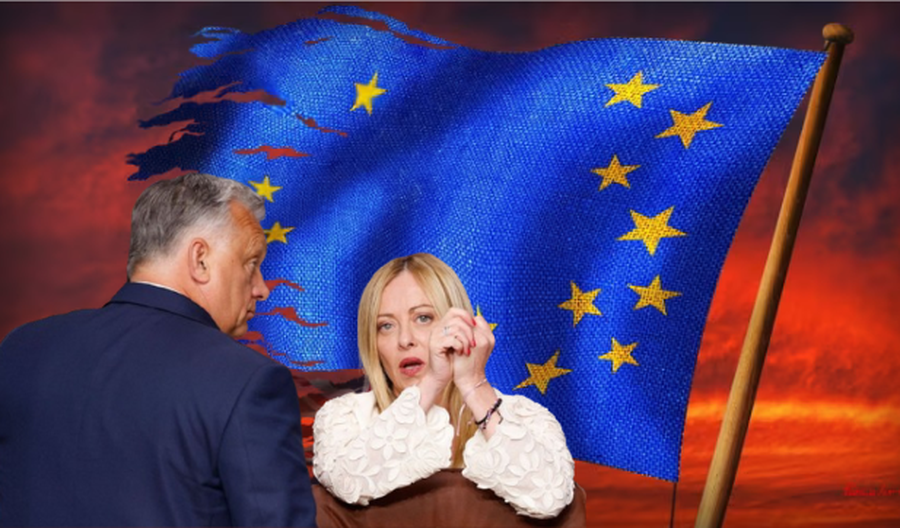
When William Yeats wrote the poem “The Second Coming” in 1919, he unwittingly did a service to generations of journalists.
Faced with a political crisis, commentators can always fall back on the well-known quote: “Things are falling apart; the center cannot stand,” before noting that “The best lack conviction, while the worst are full of passionate fire.”
I was dusting off these lines again, as I watched the rise of the radical right in Europe. But last week's elections in the Netherlands complicate this story. In the Netherlands, the center not only held, it won.
It is true that the moderate, progressive party D66 emerged as the narrow winner. However, D66 is expected to take the lead in forming the next Dutch government – while the far-right Party for Freedom looks set to lose its role in government. The Dutch elections show that pessimistic narratives about the unstoppable rise of the far-right in Europe are far from reality. The real story looks a little different.
In much of Europe, voters are angry and disillusioned, and are therefore ready to quickly remove the governments in power. If they are the traditional parties of the center, then the votes end up in the hands of the radical fringes. But when the far right actually comes to power, voters often quickly become disillusioned and return to the center parties at the first opportunity.
The Freedom Party, led by Geert Wilders, got the chance to form a government in 2023 because many Dutch voters had lost faith in traditional centrist parties.
But as expected, Wilders' party had no easy solutions to the problems that concern voters; especially the issues of asylum seekers and the housing crisis.
So the Dutch have now turned to a new face, Rob Jetten, the new and telegenic leader of D66. But let's be realistic: it's quite possible that by the next election, voters will have completely tired of Jetten and will demand change again. The far right could once again get the chance to govern the Netherlands.
Austria e ka kaluar tashmë këtë cikël. Partia populiste e djathtë FPÖ ishte pjesë e një koalicioni qeveritar në vitet 2017–2019, përpara se të përfshihej në skandal. Popullariteti i FPÖ-së ra ndjeshëm. Por partia u ringjall nën drejtim të ri dhe fitoi numrin më të madh të vendeve në parlament në zgjedhjet e vitit 2024 megjithatë nuk ka arritur të formojë një koalicion.
Nëse historia që po del në pah në politikën evropiane është rotacioni midis qendrës dhe së djathtës ekstreme, kjo ka pasoja serioze për Britaninë, Francën dhe Gjermaninë. Në të tre këto vende, qeveritë qendrore po hasin vështirësi, ndërsa e djathta anti-sistem po u fryn në qafë.
Mësimet nga Holanda si edhe nga Austria, Polonia, Italia, Hungaria dhe Sllovakia tregojnë se “e paimagjinueshmja” mund të ndodhë dhe partitë e ekstremit të djathtë mund të marrin pushtetin politik. Por kjo nuk do të thotë se mund ta mbajnë atë. Edhe Viktor Orbán, që ka qenë në pushtet në Hungari që nga viti 2010, po renditet prapa në sondazhe përpara zgjedhjeve të ardhshme.
Në vendet e mëdha evropiane ku qendra ende qëndron, Franca është më afër buzës së greminës. Vendi ka ndërruar pesë kryeministra që nga fillimi i vitit 2024 dhe Rassemblement National i ekstremit të djathtë kryeson në sondazhet për zgjedhjet presidenciale që pritet të mbahen pas 18 muajsh. Është e mundur që e djathta ekstreme të arrijë më në fund në pallatin Élysée në vitin 2027.
Në Gjermani, shpesh thuhet se qeveria aktuale e koalicionit të udhëhequr nga Friedrich Merz është “shansi i fundit i qendrës”. Nëse është kështu, qendra ka arsye për shqetësim. Merz nuk ka mbushur ende një vit në detyrë, por dy të tretat e votuesve tashmë shprehin pakënaqësi me qeverinë e tij ndërsa partia e ekstremit të djathtë Alternativa për Gjermaninë (AfD) po kryeson në disa sondazhe.
Në Britani, dy partitë që kanë dominuar politikën gjatë shekullit të fundit, konservatorët dhe laburistët tani po zvarriten në sondazhe pas Reform, partisë populiste të djathtë.
Rreth 30 për qind e votave që Reform arrin rregullisht mund të mos jenë të mjaftueshme për të formuar qeveri në një sistem proporcional si ai gjerman. Por në sistemin britanik “fituesi merr gjithçka”, kjo mund të mjaftojë për një shumicë parlamentare. Zgjedhjet e përgjithshme janë ende më shumë se tre vjet larg, por Nigel Farage, udhëheqësi i Reform UK, është aktualisht favorit për t’u bërë kryeministri i ardhshëm i Britanisë.
Do të trajtohej si një “tërmet politik” nëse e djathta ekstreme do të hynte në qeveri në një vend të madh të Evropës Perëndimore. Por në fakt kjo tashmë ka ndodhur.
Giorgia Meloni, who has political roots in Italy’s post-World War II neo-fascist movement, became prime minister three years ago. Italy’s center-left remains deeply wary of Meloni. As prime minister, she has maintained strong conservative positions on immigration and social issues but has avoided the strident nationalism and erosion of democratic institutions characteristic of Orbán or Donald Trump.
Meloni has also so far escaped the strong wave of discontent with governments in Britain and France. She looks set to become only the second Italian prime minister since World War II to complete a full five-year term.
In doing so, Meloni raises a troubling possibility for European politics: perhaps the future will not be a choice between the center and the far right but the gradual disappearance of the distinction between these two camps.








Lini një Përgjigje