


 Shkruar nga Pamfleti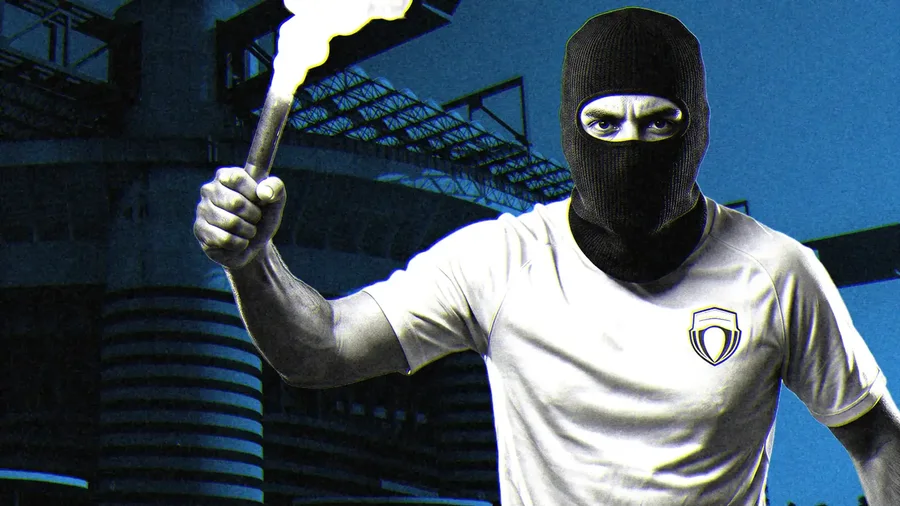
From the golden age of the 1990s to a deep crisis caused by outdated infrastructure, economic policies and the penetration of organized crime
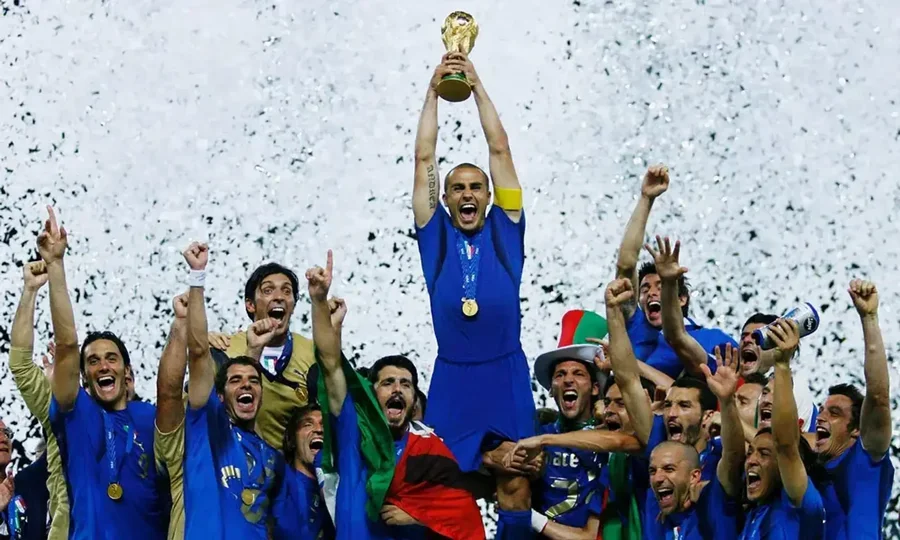
In the 1990s, the Italian Serie A was the global standard of football. The biggest clubs like AC Milan, Inter and Juventus dominated Europe and attracted the best players in the world. Italy was the main center of international football. Today, this league represents a system in deep structural crisis, where the influence of organized crime and economic failures have played a decisive role.
The debate on the existence of the mafia is often divided between skepticism and acceptance. However, concrete developments show that criminal organizations continue to operate in an active and structured manner. In 2024, the arrest of dozens of ultras at the San Siro revealed an organized system of extortion, black market in tickets and economic control over activities around the stadiums, with direct links to the traditional mafia.
From global dominance to financial disadvantage
In the 1990s, the so-called "Seven Sisters", Juventus, AC Milan, Inter, Roma, Lazio, Fiorentina and Parma, created an era of dominance. Italian clubs broke transfer records and won numerous European trophies. In the 1996/97 season, their revenues were roughly comparable to those of the Premier League, according to an article in Tribuna.
In contrast, in the 2023/24 season, the European football market reached around €38 billion, with the Premier League alone generating around €7.4 billion. Serie A lags far behind, with clubs unable to compete financially with even the weakest English teams.
A key moment was the murder in 2022 of Vittorio Boiocchi, leader of Inter's ultras and a figure with a criminal history and mafia connections. After the murder, ultras organized the emptying of the stadium's north stand using threats. The authorities did not intervene, showing the real limits of state control in these spaces.
This incident was not isolated, but part of a conflict for control of a lucrative underground economy that exists around stadiums.
The “trinity” of the structural crisis
The crisis in Italian football stems from the combination of three main factors: Depreciated infrastructure and old stadiums, a large gap in broadcasting and marketing revenues, and the deep penetration of organized crime.
The dominance of the 1990s was not based on sustainable economic models, but on funding from corporations and wealthy individuals. This system collapsed after major bankruptcies such as Parmalat in 2003, revealing the lack of capacity of clubs to generate income on their own.
Ligji “Melandri” i vitit 2008 kufizoi kontratat televizive dhe ndaloi marrëveshjet afatgjata ekskluzive, duke ulur ndjeshëm potencialin e të ardhurave krahasuar me ligat rivale.
Kriza e stadiumeve dhe pasojat ekonomike
Shumica e stadiumeve italiane janë ndërtuar për Kupën e Botës 1990 dhe nuk janë përshtatur me standardet moderne. Klubet nuk i zotërojnë ato, por i marrin me qira nga autoritetet lokale.
Kjo sjell pasoja të mëdha ekonomike: mungesë të ardhurash nga hapësirat VIP, mungesë të drejtash mbi emërtimin e stadiumeve, si dhe pamundësi për aktivitete tregtare gjatë gjithë vitit
Për shembull, Napoli gjeneron rreth 41 milionë euro në vit nga ndeshjet, ndërsa Aston Villa në Angli gjeneron mbi 80 milionë euro, pavarësisht stadiumit më të vogël.
Ky boshllëk krijon hapësirë për ndërhyrjen e aktorëve informalë dhe kriminalë.
Ekonomia paralele e ultras
Ultras kanë ndërtuar një sistem të strukturuar ekonomik që funksionon paralelisht me atë zyrtar:
shpërndarje dhe rishitje masive e biletave në treg të zi
kontroll i hyrjeve përmes ryshfetit ndaj stafit
parkime ilegale me zhvatje ndaj tifozëve
mbledhje “tarifash mbrojtjeje” nga shitësit ambulantë
tregti e mallrave të falsifikuara
Këto aktivitete gjenerojnë miliona euro në para të pakontrolluara dhe jashtë sistemit fiskal.
Roli dhe strategjia e mafias
Organizatat si ‘Ndrangheta, Camorra dhe Cosa Nostra kanë shfrytëzuar këtë sistem për të zgjeruar ndikimin e tyre. Në vend që të blejnë klube të mëdha, ato kontrollojnë ekonominë përreth tyre përmes ultras.
Në veri, mafia përdor stadiumet si platforma për pastrim parash dhe aktivitete logjistike. Në jug, kontrolli është më territorial dhe i drejtpërdrejtë.
Një rast i rëndësishëm ishte infiltrimi i mafias në strukturat e tifozëve të Juventusit. Hetimet zbuluan se drejtues të klubit kishin bashkëpunuar në mënyrë indirekte me figura të lidhura me mafian për të ruajtur rendin në stadium.
Në Milano, pas vrasjes së Boiocchi, grupet ultras u riorganizuan nën ndikimin e figurave mafioze, duke çuar në konflikte të armatosura. Në vitin 2024, një përplasje mes liderëve ultras përfundoi me vrasje, duke nxitur operacionin policor “Doppia Curva”, ku u arrestuan 19 persona.
Në Romë, figura e Fabrizio Piscitelli (“Diabolik”) ilustron lidhjen mes ultras dhe krimit ndërkombëtar. Ai ishte pjesë e rrjeteve të trafikut të drogës, armëve dhe huadhënies me fajde, dhe u vra në vitin 2019 në një atentat.
Pengesat për modernizim
Zgjidhja kryesore do të ishte ndërtimi i stadiumeve moderne dhe tërheqja e investimeve të huaja. Megjithatë, kjo pengohet nga:
burokraci komplekse dhe procedura të shumta miratimi
ligje strikte për mbrojtjen e trashëgimisë kulturore
konflikte interesi dhe kundërshtime lokale
Edhe projektet madhore, si stadiumi i ri i Romës apo ai i Milanos, janë bllokuar për vite për shkak të këtyre pengesave.
Perspektiva dhe sfidat
Euro 2032 and investment from international funds could spur change. However, without deep reforms in administration, infrastructure and the fight against organised crime, Serie A risks being left on the back burner.
Ultimately, the analysis shows that the decline of Italian football is not the result of sporting competition, but of internal structural problems. The combination of bureaucracy, lack of investment and mafia influence has hindered the development and modernization of the league. /Adapted Pamphlet /




Lini një Përgjigje