


 Shkruar nga Pamfleti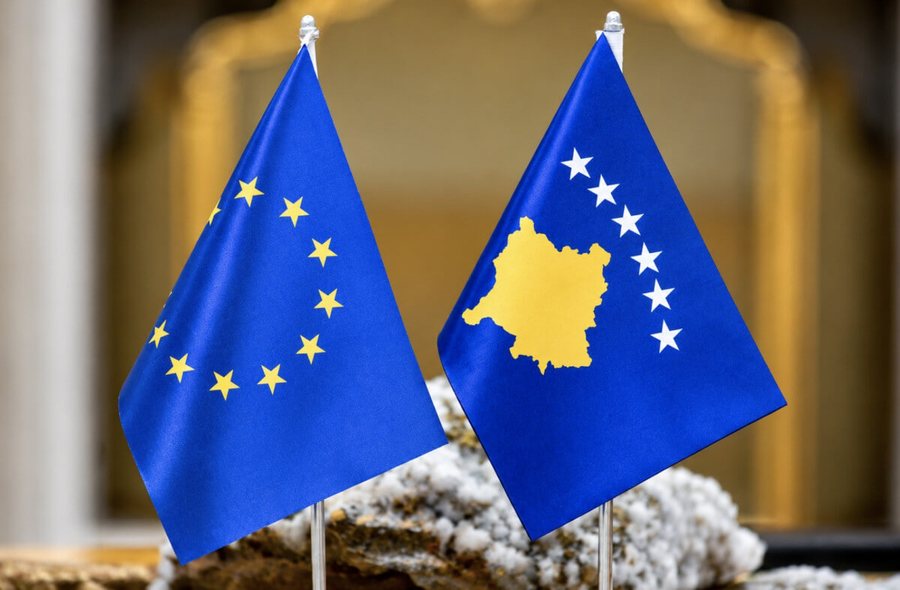
As Ireland prepares to take over the Presidency of the Council of the European Union in the second half of 2026, Kosovo's candidate status remains conditional on the political consensus of member states, dialogue with Serbia and the implementation of reforms...
As Ireland prepares to take over the Presidency of the Council of the European Union in the second half of 2026, Kosovo's European integration process is returning to the focus of political discussions. However, despite continued statements in favor of EU enlargement and the support that European institutions have expressed for the Western Balkans, Kosovo still remains without candidate country status.
Pristina submitted its official application for membership in the European Union in December 2022, aiming to follow the same integration path as other countries in the region. However, almost four years later, the process has not made any institutional progress. So far, the European Commission has not received a mandate from member states to launch the first procedures for evaluating the application.
One of the most widespread misconceptions in the public debate is related to the perception that submitting an application is enough to automatically activate the accession process. In practice, the European Union's enlargement system works differently. Each application must go through a series of political decisions taken by the member states within the Council of the EU. Without their approval, the procedures do not advance, despite the declared support of the European institutions.
For this reason, Kosovo's application is still in its initial phase. The European Commission has not sent the detailed questionnaire that usually constitutes the first substantial step in examining an application for membership. This document is used to assess the state of the institutions, the level of harmonisation with European legislation and the administrative capacity of the applicant country.
In discussions about the obstacles facing Kosovo, the fact that five European Union member states continue to not recognize its independence is often mentioned. Greece, Cyprus, Spain, Romania and Slovakia hold different positions on Kosovo's status, making it more difficult to reach the necessary consensus for further steps in the enlargement process.
However, European experts believe that non-recognition is not the only factor influencing the progress of Kosovo's candidacy. The European Union's enlargement process is a combination of institutional procedures, the political interests of member states and the Union's strategic priorities. Consequently, even when there is general support for enlargement, each case is treated on the basis of its specific circumstances.
Në këtë kontekst, presidenca irlandeze shihet si një mundësi për ta mbajtur zgjerimin në krye të agjendës evropiane. Irlanda ka bërë të ditur se zgjerimi do të jetë ndër prioritetet kryesore të mandatit të saj gjashtëmujor. Autoritetet në Dublin kanë përsëritur mbështetjen për perspektivën evropiane të të gjitha vendeve të Ballkanit Perëndimor, përfshirë Kosovën, duke theksuar rëndësinë e vazhdimit të reformave.
Megjithatë, roli i presidencës së Këshillit të BE-së shpesh keqinterpretohet. Shteti që mban presidencën mund të organizojë diskutime, të ndërmjetësojë negociata, të propozojë prioritete dhe të kërkojë afrim të qëndrimeve mes vendeve anëtare. Por presidenca nuk ka kompetencë të imponojë vendime politike apo të anashkalojë kërkesën për konsensus. Vendimet kyçe për zgjerimin mbeten ekskluzivisht në duart e shteteve anëtare.
Pikërisht këtu qëndron edhe vështirësia kryesore për Kosovën. Përveç çështjes së njohjes, disa kryeqytete evropiane e lidhin avancimin e saj në procesin e integrimit me zhvillimet në dialogun me Serbinë. Marrëdhëniet mes Prishtinës dhe Beogradit vazhdojnë të konsiderohen një faktor me ndikim në vendimmarrjen e Bashkimit Evropian.
Brukseli ka deklaruar vazhdimisht se e ardhmja e Kosovës dhe Serbisë është brenda Bashkimit Evropian. Megjithatë, zbatimi praktik i kësaj qasjeje mbetet i ndikuar nga zhvillimet politike në terren dhe nga niveli i progresit në dialogun e ndërmjetësuar nga BE-ja. Për disa shtete anëtare, normalizimi i marrëdhënieve vazhdon të shihet si element i rëndësishëm për avancimin e proceseve integruese.
Ndërkohë, edhe zhvillimet e brendshme në Kosovë po luajnë rol në vlerësimet evropiane. Funksionimi i institucioneve, stabiliteti politik dhe ritmi i reformave vazhdojnë të monitorohen nga afër nga Bashkimi Evropian. Vonesat në zbatimin e disa angazhimeve dhe sfidat institucionale kanë ndikuar në realizimin e detyrimeve që lidhen me Planin e Rritjes së BE-së për Ballkanin Perëndimor.
Institucionet evropiane e konsiderojnë funksionalitetin institucional si një nga kriteret bazë për përparimin në procesin e anëtarësimit. Për këtë arsye, krahas sfidave të jashtme politike, Kosova përballet edhe me nevojën për të përshpejtuar reformat dhe për të forcuar kapacitetet e administratës publike.
Pozita e Kosovës bëhet edhe më e dukshme kur krahasohet me vendet e tjera të rajonit. Mali i Zi ka avancuar ndjeshëm në negociatat e anëtarësimit dhe konsiderohet ndër kandidatët më të përparuar për t'u bërë pjesë e Bashkimit Evropian. Shqipëria, nga ana tjetër, po vazhdon procesin e hapjes së kapitujve negociues dhe harmonizimit të legjislacionit me standardet evropiane.
Në këto raste, debati përqendrohet kryesisht te ritmi i reformave dhe përmbushja e kritereve teknike. Për Kosovën, megjithatë, diskutimi vazhdon të dominohet nga çështjet politike që lidhen me statusin ndërkombëtar dhe konsensusin brenda Bashkimit Evropian.
The current situation highlights one of the main challenges of the EU's enlargement policy. On the one hand, the European Union continues to support the integration of the Western Balkans and considers the region part of its strategic perspective. On the other hand, decision-making on enlargement remains conditioned by the national interests of the member states, issues of state recognition and regional political developments.
For this reason, Kosovo's European path does not depend solely on fulfilling the reforms requested by Brussels or on the priorities of the successive presidencies of the Council of the EU. Its progress remains closely linked to the ability of member states to build a common political stance.
Until this consensus is reached, Kosovo's European perspective is expected to continue to enjoy support at a declarative level, while concrete institutional steps towards obtaining candidate status and advancing in the membership process may remain limited. / Pamphlet /


Lini një Përgjigje