


 Shkruar nga Pamfleti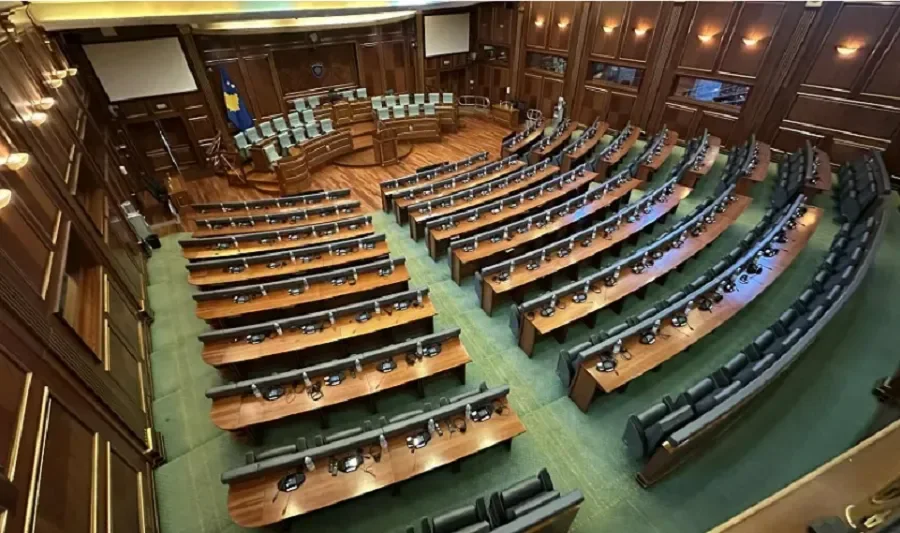
Following the parliamentary elections of June 7, the political scene in Kosovo is entering a phase where the formation of a government no longer seems to be the main issue. Negotiations are moving towards a broader political agreement that affects not only the future government cabinet, but also the election of the president, the institutional balance and the way in which power will function in the coming years...
Four months after the elections, Kosovo continues to face the same dilemma that has accompanied almost every election cycle in the last two decades: how to build a stable majority in a fragmented political system, where no political force manages to dominate the institutions alone.
In theory, parliamentary elections determine the composition of the Assembly and pave the way for the formation of a government. In practice, Kosovo politics has often operated according to a different logic. Agreements have not been limited to the division of ministries or the appointment of a prime minister. They have included key state positions, the leadership of independent institutions, and political balances that guarantee the survival of coalitions.
For this reason, the current negotiations are taking place at several levels simultaneously. Some of the discussions relate to the new government, while others relate to the architecture of power for the entire political cycle that follows.
The clearest signal was given by the deputy leader of the Democratic League of Kosovo, Lutfi Haziri. He called for a broader political agreement between parliamentary parties, arguing that institutional stability cannot rely solely on numbers in the Assembly.
Haziri's message was not accidental. It reflects a widespread concern in the Kosovar political class: the fear that a government built on a bare majority could remain fragile and incapable of facing the challenges of the mandate.
If negotiations are limited to the sharing of executive power, there is a risk that the country will once again face institutional deadlock. For this reason, more and more political actors are talking about the need for a broader pact to ensure the normal functioning of institutions.
At this point, an issue that until a few weeks ago remained in the background comes into play: the election of the next president of Kosovo.
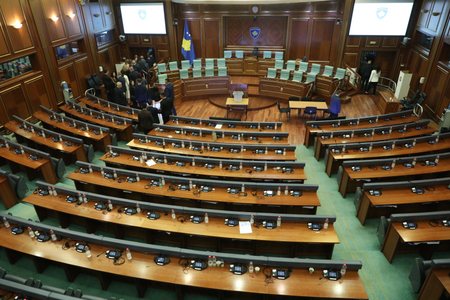
Although the current presidential term does not end immediately, discussions have started early. The reason is simple. The president in Kosovo is not elected by the citizens, but by the Assembly. The constitution requires that in the first two rounds the candidate receive the support of two-thirds of the deputies, or 80 votes. Only in the third round do 61 votes suffice, but the process remains dependent on the quorum and parliamentary participation.
Kjo e ka kthyer historikisht zgjedhjen e presidentit në një nga instrumentet kryesore të kompromisit politik.
Në vitet e fundit, pothuajse çdo proces presidencial ka prodhuar negociata të gjata, marrëveshje të ndërlikuara dhe shkëmbime politike mes pozitës dhe opozitës. Për këtë arsye, shumë analistë e shohin postin e presidentit si pjesë të të njëjtit ekuacion që përcakton edhe formimin e qeverisë.
Në këtë kontekst duhet lexuar edhe deklarata e ish-Përfaqësuesit Special të Bashkimit Evropian për Kosovën, Wolfgang Petritsch. Ai sugjeroi se partitë duhet të kërkojnë figura më konsensuale dhe marrëveshje më të gjera për institucionet kryesore të shtetit.
Deklarata e tij pasqyron edhe interesin e partnerëve ndërkombëtarë për të shmangur një periudhë të re paqëndrueshmërie politike në Kosovë.
Ndërkohë, kryetari i Aleancës për Ardhmërinë e Kosovës, Ramush Haradinaj, deklaroi se mund të pranonte një kandidim për president nëse do të mbështetej nga partitë opozitare. Edhe pse nuk ka një propozim konkret, deklarata tregon se diskutimet për presidencën tashmë janë bërë pjesë e pazareve politike që po zhvillohen pas zgjedhjeve.
Në realitet, negociatat aktuale nuk zhvillohen në një vakuum politik.
Kosova përballet me një sërë sfidash që e bëjnë stabilitetin institucional më të rëndësishëm se zakonisht. Dialogu me Serbinë vazhdon të mbetet i bllokuar në shumë pika kyçe. Marrëveshjet e arritura gjatë viteve të fundit kanë hasur vështirësi në zbatim. Marrëdhëniet me Bashkimin Evropian nuk kanë ritmin që kishte shpresuar Prishtina, ndërsa tensionet në veri vazhdojnë të prodhojnë pasiguri politike dhe diplomatike.
Përballë kësaj situate, Bashkimi Evropian dhe partnerët perëndimorë kërkojnë institucione që mund të funksionojnë me stabilitet dhe vazhdimësi.
Brukseli nuk shqetësohet vetëm për emrin e kryeministrit të ardhshëm. Po aq e rëndësishme konsiderohet aftësia e sistemit politik për të prodhuar vendimmarrje të qëndrueshme, për të zbatuar reformat dhe për të ruajtur një linjë të qartë në raport me procesin e integrimit evropian.
Kjo shpjegon pse negociatat aktuale po marrin përmasa më të mëdha se zakonisht.
Në thelb, partitë nuk po negociojnë vetëm kabinetin e ardhshëm qeveritar. Ato po diskutojnë ndarjen e ndikimit institucional për disa vite, balancën mes pushtetit dhe opozitës, zgjedhjen e presidentit dhe mekanizmat që mund të garantojnë mbijetesën e marrëveshjeve politike.
Pyetja kryesore që del nga zhvillimet e fundit nuk është kush do ta formojë qeverinë, por nëse klasa politike kosovare mund të prodhojë një kompromis të mjaftueshëm për të garantuar funksionimin normal të institucioneve në një periudhë kur vendi përballet njëkohësisht me sfida të brendshme, me dialogun e vështirë me Serbinë dhe me kërkesat në rritje të Bashkimit Evropian për stabilitet dhe efektivitet institucional.
The answer to this question will depend not only on the formation of the next government, but also on Kosovo's ability to avoid a new cycle of political deadlocks and institutional crises. / Pamphlet /


Lini një Përgjigje