


 Shkruar nga Pamfleti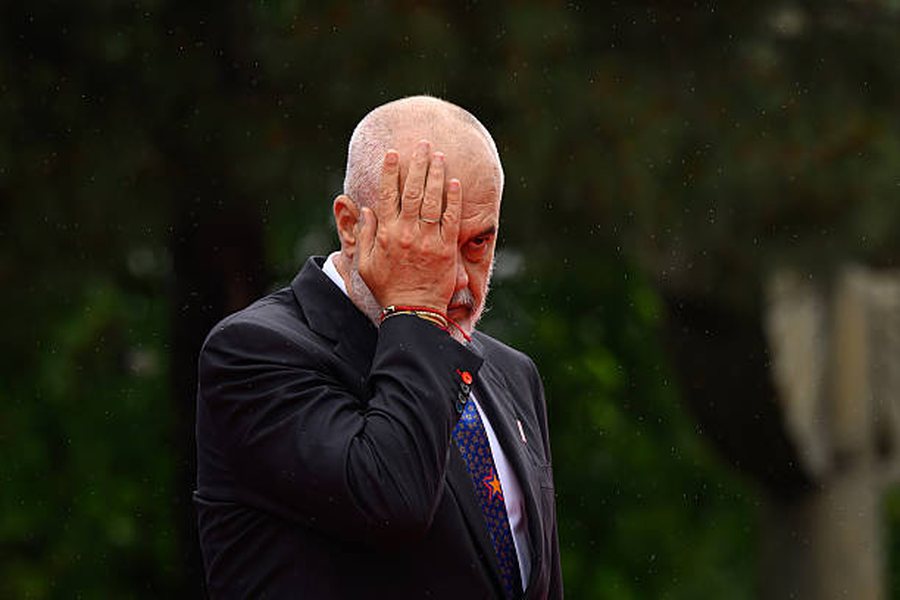
Protests against tourism projects in Sazan and Vjosa-Nartë are turning into the most serious political challenge for Edi Rama. While the government is accused of bypassing environmental procedures for strategic investors, pressure from protesters is growing and concerns from the European Union are putting Tirana in front of a significant political and institutional test.
In Albania, protests against a luxury hotel complex linked to Jared Kushner, the son-in-law of former US President Donald Trump, have now entered their second month. In parallel, calls for Prime Minister Edi Rama to resign have also increased. But beyond the internal political clash, this issue could also have consequences for Albania's European path.
At the center of the debate is the project's impact on the protected landscape of Vjosa-Nartë, one of the most important ecosystems in the Mediterranean, which hosts over 2,300 species and more than 70 endangered species, as well as six priority habitats under European Union legislation.
For this reason, Brussels has raised concerns that the development may be in violation of EU environmental standards. The protests are related to a tourism project that envisages the construction of about 10,000 hotel rooms on the Albanian coast, financed by Affinity Partners, the investment fund owned by Jared Kushner.
The project consists of two main parts: a $4.7 billion tourist development in the Vjosa-Narta protected area and a $1.4 billion resort on the uninhabited island of Sazan.
At the end of 2024, the Albanian government granted Atlantic Incubation Partners LLC, a subsidiary of Affinity Partners, strategic investor status, enabling accelerated approval procedures.
Critics argue that this avoided a full environmental impact assessment and public consultation process. Since early May, heavy machinery has begun work in the area, sparking strong reactions from environmental organizations.
Consequently, the project has faced widespread opposition both in Albania and abroad. Criticism is not only related to the environmental impact, but also to the way the investment procedures were handled.
In January, 41 environmental organizations wrote a letter to Prime Minister Edi Rama, demanding the immediate suspension of the project. The European Commission subsequently warned that the development could negatively affect Albania’s EU accession negotiations. However, the government has not changed its stance and the protests have expanded, turning into a broader movement against the way it is governed.
Protesters are demanding the resignation of Edi Rama, the removal of the current political class, including opposition leader Sali Berisha, the creation of a caretaker government, and profound changes to legislation related to strategic investments and the protection of natural areas.
On the other hand, Rama has rejected these demands, stating: "I have a contract with the Albanian people until 2029 and I have no intention of leaving."
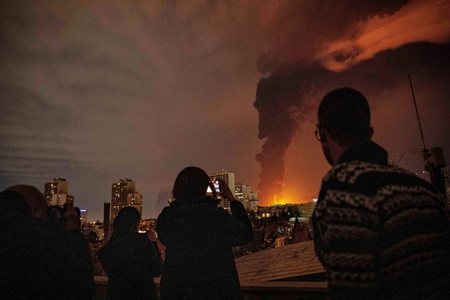
Meanwhile, the protests have become increasingly tense. Several police officers were injured and protesters were arrested during clashes near the parliament in Tirana. Rama later reacted on the X network by mocking the protesters with a clown emoji and calling the organizers “clowns of the politics of failure.”
In previous statements, he has also called the protesters "fools" and described the movement as a "hybrid war" instigated by external actors. This situation has also increased concerns in the European Union.
Albania is considered one of the most advanced countries in the enlargement process, along with Montenegro and North Macedonia. However, recent developments have raised questions about whether the country is moving away from the standards required by the accession process.
One of the main concerns relates to Chapter 27 of the negotiations, which covers the environment and climate change. This chapter includes the implementation of the Habitats Directive and the Birds Directive, two of the most important pieces of European Union environmental legislation.
In fact, the European Commission has been raising concerns about Albania’s strategic investment law for years. A 2019 report warned that the law could undermine biodiversity protection, while a 2025 report criticized its extension until 2027 and expressed concerns about the potential impact on protected areas.
Beyond the environmental aspect, many analysts argue that this issue is also related to transparency, accountability and the rule of law. In other words, the debate is not just about a tourist resort, but about the way political decisions are made in Albania.
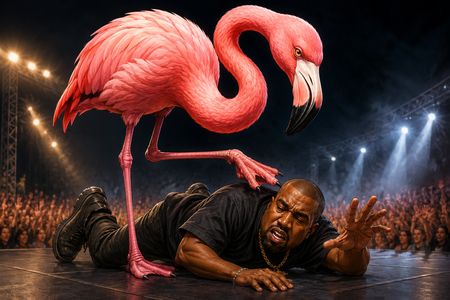
This is also why the “Flamingo Revolution” has evolved from an environmental protest into a broader movement against Edi Rama’s government. For many protesters, the project has become a symbol of dissatisfaction with alleged corruption, lack of transparency, and the way power is exercised.
Whether this move will bring about political change remains to be seen. But it is clear that Edi Rama is facing one of the biggest challenges of his political career./ “TLDR News EU”



Lini një Përgjigje