


 Shkruar nga Pamfleti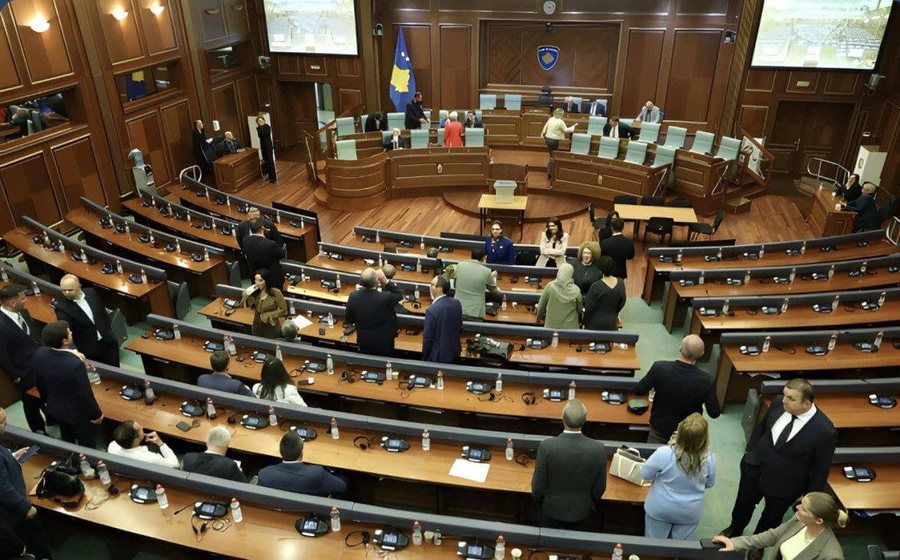
Vetëvendosje remains the largest parliamentary force with 53 MPs, but without the majority needed to govern alone. Negotiations for the Assembly, the government and the president are expected to determine the political direction of the country…
The announcement of the final results of the early parliamentary elections in Kosovo marks the formal end of the electoral process, but not the end of political uncertainty. On the contrary, it marks the beginning of a new, much more complex phase, where the weight of the electoral result is replaced by parliamentary arithmetic and political negotiations.
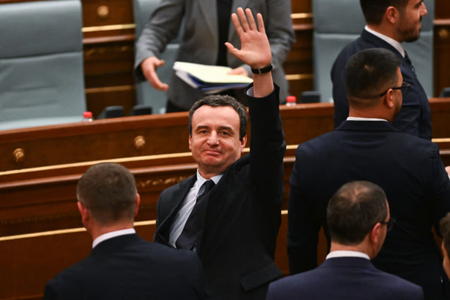
The results of the June 7 elections once again confirm the Vetëvendosje Movement as the largest political force in the country. However, the victory does not give it the opportunity to govern alone. With 53 seats in the 120-seat Assembly, Albin Kurti's party remains 8 votes short of the 61-seat majority required to form a government. It is precisely this gap that makes the next phase crucial for Kosovo's political stability.
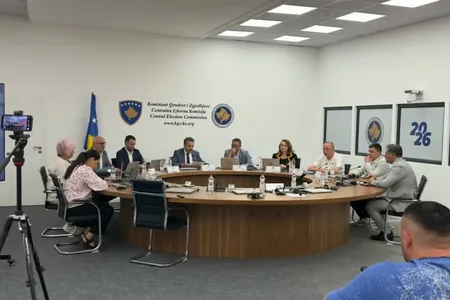
The Central Election Commission announced the final results after the judiciary rejected the appeals filed by two candidates of the Democratic Party of Kosovo, who had requested a recount of votes for candidates within their list. According to the chairman of the CEC, Kreshnik Radoniqi, during the verification of 185 polling stations, no irregularities were found that would justify a general recount. The discrepancies identified were limited and mainly related to human errors during the counting process or to the reclassification of a small number of ballots. None of these changes had an impact on the final distribution of mandates.
The final results produced a fragmented Assembly, where no political force enjoys an absolute majority.
The distribution of mandates is as follows:
Vetëvendosje Movement – 47.13% of the vote, 53 mandates;
Democratic Party of Kosovo – 19.44%, 22 mandates;
Democratic League of Kosovo – 16.69%, 18 mandates;
Alliance for the Future of Kosovo – 6.74%, 7 mandates;
20 mandates reserved for non-majority communities, according to the Constitution of Kosovo.
This configuration makes it impossible to form a government without a political agreement.
Step One: Constituting the Assembly
After certification of the results, the President of Kosovo must convene the inaugural session of the Assembly within 30 days.
In this session, the deputies take the oath, the Speaker of the Assembly and the Deputy Speakers are elected. Only after the constitution of the Assembly can the procedures for forming the government continue.
In practice, this process has often become a first test of the parliamentary majority, as the election of the Speaker of the Assembly requires political coordination between parties.
Sfida kryesore: Formimi i qeverisë
Për të krijuar qeverinë nevojiten minimumi 61 deputetë.
Vetëvendosje, edhe pse fituese e zgjedhjeve, nuk i ka votat e nevojshme dhe duhet të sigurojë mbështetje shtesë. Në teori ekzistojnë disa skenarë: bashkëpunim me partitë e komuniteteve joshumicë; marrëveshje me një ose më shumë parti opozitare; kombinim i të dyja varianteve.
Secili prej këtyre skenarëve paraqet sfida të ndryshme politike, pasi marrëdhëniet ndërmjet partive kryesore kanë qenë të tensionuara gjatë viteve të fundit.
Presidenti, testi më i madh politik
Edhe nëse krijohet qeveria, sfidat nuk përfundojnë aty. Mandati i presidentit është çështja tjetër që kërkon konsensus. Ndryshe nga zgjedhja e qeverisë, procedura për zgjedhjen e presidentit nuk mund të fillojë nëse në sallë nuk janë të pranishëm të paktën 80 deputetë.
Ky prag e bën praktikisht të pamundur zgjedhjen e presidentit pa një marrëveshje më të gjerë politike. Për këtë arsye shumë analistë konsiderojnë se negociatat për qeverinë dhe presidentin janë të pandashme.
Deri tani nuk ekziston një platformë e përbashkët negociuese. Albin Kurti ka deklaruar se negociatat formale do të fillojnë vetëm pasi rezultatet të certifikohen.
Lidhja Demokratike e Kosovës ka sinjalizuar se është e gatshme të diskutojë një marrëveshje gjithëpërfshirëse që do të përfshinte: konstituimin e Kuvendit; krijimin e qeverisë; zgjedhjen e presidentit.
Aleanca për Ardhmërinë e Kosovës ka paraqitur gjashtë kushte për çdo marrëveshje eventuale qeverisëse. Ndër prioritetet e saj janë politika energjetike, ndërtimi i një termocentrali të ri me qymyr dhe miratimi i projektit të gazit natyror të mbështetur nga Shtetet e Bashkuara.
Partia Demokratike e Kosovës, deri në këtë fazë, nuk ka shpallur një pozicion zyrtar lidhur me koalicionet e mundshme.
Kostoja e ngërçit politik
Vonesat në krijimin e institucioneve nuk janë vetëm çështje procedurale. Ato kanë filluar të prodhojnë pasoja konkrete ekonomike. Kosova pritet të humbasë rreth 60 milionë euro nga Plani i Rritjes i Bashkimit Evropian, pasi nuk arriti të përmbushë në kohë procedurat dhe kushtet e kërkuara.
Ky zhvillim shton presionin mbi klasën politike për të shmangur një bllokim të zgjatur institucional. Përtej aspektit financiar, mungesa e institucioneve funksionale ndikon edhe në miratimin e reformave, zbatimin e projekteve strategjike dhe në ritmin e procesit të integrimit evropian.
Historia politike e Kosovës gjatë viteve të fundit ka treguar se fragmentimi parlamentar shpesh ka prodhuar negociata të gjata, kriza institucionale dhe zgjedhje të parakohshme. Në disa raste, qeveritë kanë pasur jetë të shkurtër për shkak të shumicave të brishta parlamentare. Pikërisht për këtë arsye, rezultati aktual nuk konsiderohet krizë në vetvete, por krijon kushte që mund të çojnë drejt një ngërçi nëse partitë nuk arrijnë kompromis.
Çfarë pritet në javët e ardhshme
In terms of procedure, the certification of the results, the convening of the inaugural session of the Assembly and the election of its presidency are expected. After that, the consultation process for the creation of a parliamentary majority and the formation of a new government will begin.
If the negotiations are successful, Kosovo could have new, functional institutions within the constitutional timeframe. Otherwise, the country risks entering another cycle of lengthy negotiations, with political, economic, and institutional consequences.
Given that the outcome of the June 7 elections did not produce an absolute winner, but a relative winner, Vetëvendosje retains the position of the leading political force and the legitimacy to lead the efforts to form a government, but not the numerical strength to do so without partners. At this stage, the weight of the citizens' vote takes a back seat to parliamentary mathematics.
Every mandate becomes crucial and every political agreement gains strategic importance. Unlike the electoral process, where the outcome is determined by voters, institution-building will depend on the parties’ ability to find compromise. This is where not only the stability of the future majority will be measured, but also the capacity of Kosovo’s political system to produce functional institutions in a fragmented parliament.
If the agreements are delayed, the impact will not be limited to political life. The loss of European funds and the postponement of reforms show that institutional uncertainty is already having tangible economic consequences and could also affect Kosovo's integration path.
For this reason, the coming weeks will be crucial not only for the names that will lead the institutions, but also for Kosovo's ability to guarantee political stability, institutional continuity and credibility with international partners. / Pamphlet /


Lini një Përgjigje