


 Shkruar nga Pamfleti
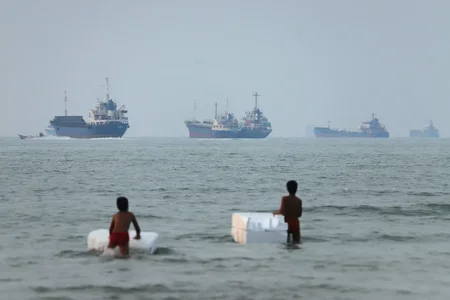
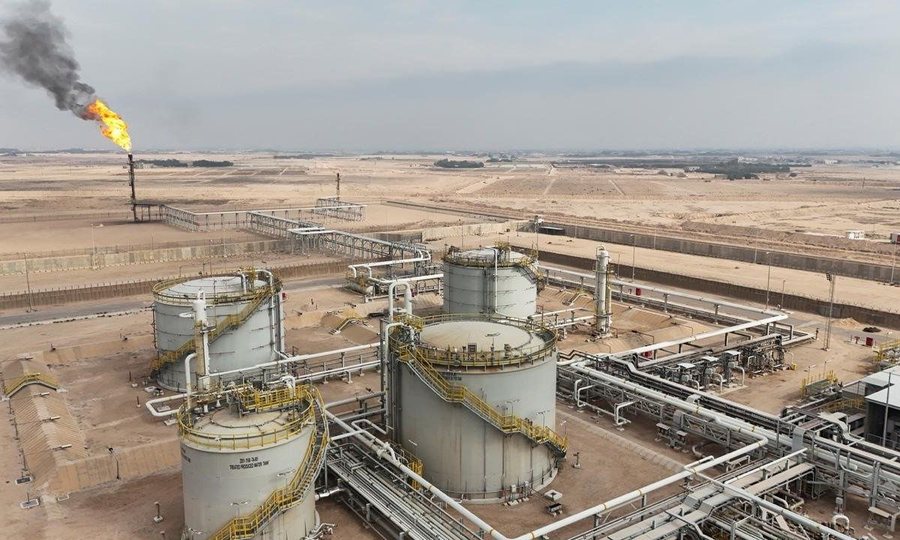
Iran has exported about 50 million barrels of crude oil since the lifting of the US naval blockade on the country's energy exports, according to data published by tanker monitoring firm TankerTrackers.com.
According to the company, Iranian exports during June 2026 averaged about 1.66 million barrels per day, while most other countries in the region continue to remain below the export levels recorded before the conflict.
The easing of restrictions came after the signing of a Memorandum of Understanding between the United States and Iran on June 17. Following the agreement, the U.S. Treasury Department issued a 60-day authorization allowing the production and sale of Iranian crude oil until August 21.
Meanwhile, experts estimate that Iran's threats to the Strait of Hormuz serve more as a means of pressure in negotiations than as a strategic objective.
Sheikha Alanoud Hamad Saud Al Thani, a fellow at the Middle East Council on Global Affairs, told Al Jazeera that Tehran's priority is stabilizing the economy.
"The Strait of Hormuz is not the most important card for Iran at the moment. Their priority is to stop the deterioration of the economy," she said.
According to Al Thani, the Iranian economy is facing a deep crisis and the devaluation of the national currency has increased pressure on the authorities to secure income from oil exports.
She added that imposing tariffs or restrictions on the Strait of Hormuz would not be acceptable to the US and Gulf countries, including Oman, so Tehran is using this issue mainly as a negotiating tool and not as a central part of future agreements.





Lini një Përgjigje