


 Shkruar nga Pamfleti
The formation of a parliamentary majority is seen as achievable for Vetëvendosje, but the election of the President is expected to require a broader political agreement.
The process of creating new Kosovo institutions is entering its most crucial phase following the June 7 parliamentary elections. While the Vetëvendosje Movement of the incumbent Prime Minister, Albin Kurti, remains the largest political force and is considered likely to secure the majority needed to form a government, recent developments indicate that negotiations are expected to extend beyond the creation of a new government cabinet.
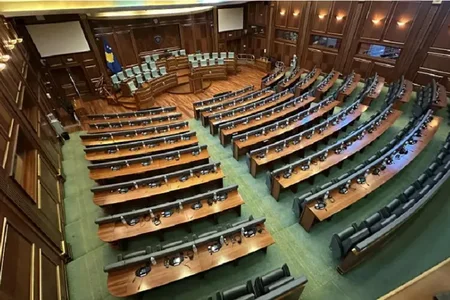
The consultations announced by Kurti will include not only the formation of the next government, but also the constitution of the Assembly and the election of the President of the Republic. This transforms the process into a broad political negotiation on how the main state institutions will function over the coming years.
In a parliamentary system like Kosovo's, where no single political force usually manages to govern alone, the balance between institutions is considered as important as the formation of the government itself. For this reason, the outcome of the negotiations will determine not only the composition of the executive, but also the institutional stability of the country in a crucial period for domestic reforms and international relations.
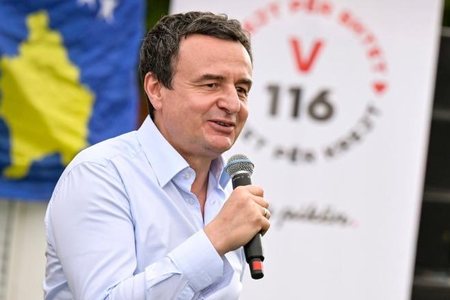
During the first meeting of the caretaker government after the elections, Albin Kurti declared that political consultations would begin immediately after the certification of the election results. According to him, the priority remains the transformation of the election results into functional, democratic institutions capable of facing economic challenges, investments, infrastructure development, security and the modernization of public administration. Kurti also reiterated the position that early elections were not necessary, arguing that the political crisis that led to the dissolution of the Assembly was the responsibility of other parliamentary parties.
According to official data, the distribution of mandates is as follows: Vetëvendosje – 53 MPs, Democratic Party of Kosovo (PDK) – 22 MPs, Democratic League of Kosovo (LDK) – 18 MPs, Alliance for the Future of Kosovo (AAK) – 7 MPs
At least 61 votes are needed to form a government. Mathematically, this majority can be secured with the support of MPs representing non-majority communities.
However, the election of the President of the Republic presents a greater political challenge. The constitution requires the participation of at least 80 deputies in the first two rounds of voting, which makes support from the governing majority alone insufficient.
Pikërisht kjo dispozitë kushtetuese i detyron partitë politike të kërkojnë marrëveshje më të gjera për ndërtimin e institucioneve. Historia politike e Kosovës ka treguar se marrëveshjet për krijimin e institucioneve shpesh nuk janë kufizuar vetëm në ndarjen e posteve ministrore.
Në shumë raste, qeveria, Kuvendi dhe Presidenca janë negociuar si pjesë e një pakete të vetme politike. Edhe këtë herë po shfaqet e njëjta logjikë, ku diskutimet nuk lidhen vetëm me formimin e qeverisë, por edhe me mënyrën se si do të ndahet pushteti institucional ndërmjet forcave politike për të garantuar funksionimin normal të shtetit.
Ministri në detyrë i Administrimit të Pushtetit Lokal, Elbert Krasniqi, deklaroi se Vetëvendosje mund të sigurojë shumicën parlamentare me mbështetjen e tetë ose nëntë deputetëve të komuniteteve joshumicë. Sipas tij, votat e nevojshme për formimin e qeverisë ekzistojnë dhe procesi mund të vazhdojë edhe pa pjesëmarrjen e partive kryesore opozitare. Ky qëndrim tregon se Vetëvendosje e konsideron të realizueshme krijimin e ekzekutivit, por jo domosdoshmërisht përmbylljen e të gjithë ciklit institucional.
Deklaratat publike të partive tregojnë se ende nuk ekziston një konfigurim i qartë politik. Bashkëkryetarja e partisë Guxo, Donika Gërvalla, përjashtoi mundësinë e bashkëpunimit me Partinë Demokratike të Kosovës, duke përmendur dallime të thella politike.
Sa i përket Lidhjes Demokratike të Kosovës, ajo vlerësoi se zhvillimet dhe debatet e brendshme e bëjnë të vështirë parashikimin e një partneriteti të mundshëm. Ndërkohë, LDK po përballet me presione të brendshme pas rezultatit zgjedhor. Disa degë të partisë kanë kërkuar dorëheqjen e kryetarit Lumir Abdixhiku, ndërsa ai i ka refuzuar këto kërkesa.
Në të njëjtën kohë, nënkryetari i LDK-së, Lutfi Haziri, ka lënë të hapur mundësinë e një marrëveshjeje të gjerë politike që do të përfshinte njëkohësisht qeverinë, Kuvendin dhe Presidencën. Këto zhvillime e vendosin LDK-në në një pozicion potencialisht vendimtar për ndërtimin e konsensusit institucional.
Nga ana tjetër, Aleanca për Ardhmërinë e Kosovës ka bërë të ditur se nuk do të marrë pjesë në një qeveri të udhëhequr nga Albin Kurti. Megjithatë, ish-kryeministri Ramush Haradinaj u ka bërë thirrje partive opozitare të koordinohen rreth një kandidati të përbashkët për President, duke sinjalizuar se opozita e sheh Presidencën si një element kyç në konfigurimin e ardhshëm institucional.
Një zhvillim me rëndësi është deklarata e Arbërie Nagavcit, ish-kryetares së Grupit Parlamentar të Vetëvendosjes. Ajo deklaroi se partia është e gatshme të diskutojë për zgjedhjen e një presidenti konsensual dhe jopartiak.
Ky qëndrim sinjalizon se edhe Vetëvendosje e konsideron të domosdoshëm kompromisin politik për zgjedhjen e Presidentit, pasi ky proces nuk mund të përfundojë vetëm me votat e shumicës qeverisëse.
The negotiations take place at a time when Kosovo is facing several strategic processes. The country needs to continue internal reforms, advance the European integration process, improve relations with the European Union, and continue the dialogue for the normalization of relations with Serbia.
In this context, the existence of stable and functional institutions is considered an important condition for the advancement of these processes.
Before the formal start of negotiations, the certification of the election results must be completed, a process that has been delayed due to appeals and recounts. Only after this procedure is completed can the constitutional process for the creation of new institutions begin.
However, statements made so far by political actors indicate that the consultations have already entered the preparatory phase and that they will include the entire institutional architecture of Kosovo.
Recent developments show that the main challenge for Kosovo is not only creating a parliamentary majority to form a government. The biggest challenge remains building a political consensus that guarantees the long-term functioning of the main state institutions.
Even if Vetëvendosje manages to form a government with the support of MPs from non-majority communities, the election of the President remains a process that requires broader political cooperation. For this reason, the consultations announced by Albin Kurti are expected to turn into negotiations that will determine the balance of power in Kosovo, treating the government, the Assembly and the Presidency as part of the same institutional agreement. /Pamphlet/


Lini një Përgjigje