


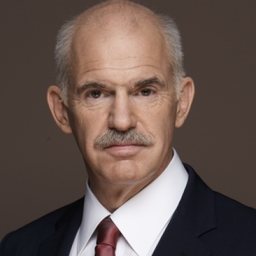
 Shkruar nga George A. Papandreou
His leadership, at a time when Albania's democratic future hung in the balance, proved crucial in keeping the nation on the path of recovery and reform. Fatos Nano was a man of deep thought and conviction. An economist by profession, he understood the structural roots of the transition and the need for reform, but also for social protection.
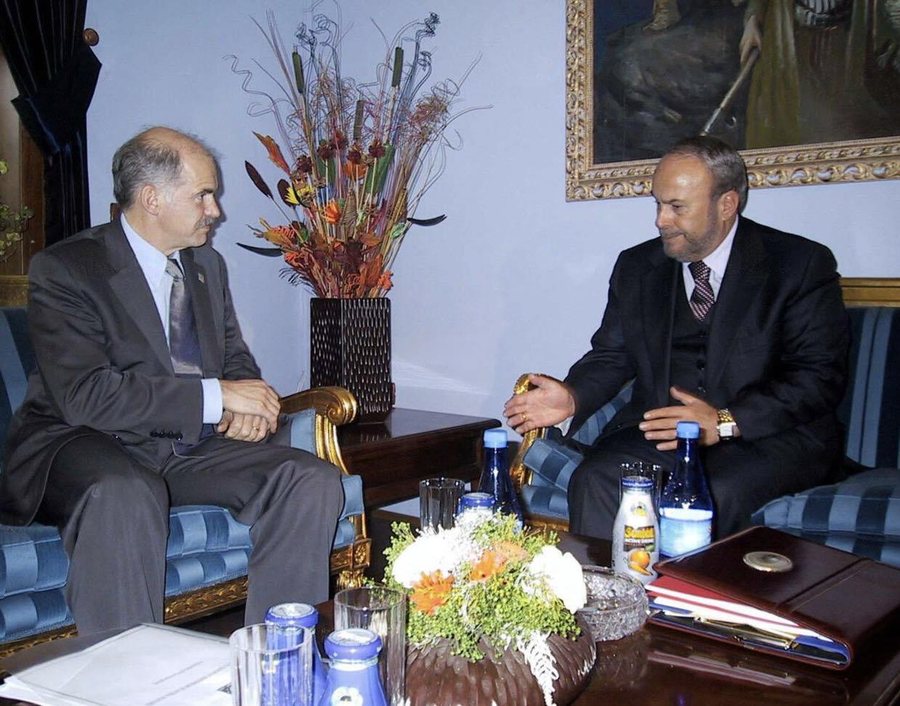
The news of Fatos Nano's passing fills me with deep sorrow and reflection. Fatos was not only a political leader of historical importance for Albania, but also a personal friend, as well as a social democrat with whom we shared the conviction that our region can overcome its painful past and build together a democratic and European future.
I met Fatos in the early 1990s, at a time when Albania was emerging from the long night of totalitarianism.
He belonged to that first, courageous generation of reformers who believed that freedom, democracy and social justice could take root in a society that had known only isolation and oppression. Fatos Nano gave voice to the democratic and European aspirations of the Albanian people, leading the transformation of the former Party of Labor into the Socialist Party of Albania, which became the main force in the country’s renaissance.
Our paths crossed most strongly during one of the most difficult moments in Albania’s modern history during the 1997 crisis, when the collapse of pyramid schemes plunged the country into chaos. While Fatos Nano was in prison for most of this turbulent period, he was released after the violence and political upheaval subsided. Following his release in June 1997, he took office as Prime Minister and played a crucial role in restoring democratic order and state authority.
At that time, when Greece held the Presidency of the Council of Europe, I (as Deputy Foreign Minister) worked closely with Nano and the Albanian institutions to help consolidate stability and the rule of law.
I witnessed his determination to prevent Albania from sliding into civil conflict and his courage to restore legitimate authority.
Few people outside Albania can understand how great that challenge was and how crucial his leadership was to keeping the country’s democratic course alive.
His determination to move the country forward, to promote reconciliation, and to restore trust in public institutions was evident throughout that difficult period.
His leadership, at a time when Albania’s democratic future hung in the balance, proved crucial in keeping the nation on the path of recovery and reform.
Fatos Nano was a man of deep thought and conviction. An economist by profession, he understood the structural roots of transition and the need for reform, but also for social protection. He believed that democracy without dignity is incomplete. He often spoke to me about his vision for Albania as a modern European democracy, integrated into the European and transatlantic family, but rooted in its traditions of resilience and pride. In this sense, he was a true social democrat, linking freedom with solidarity.
He experienced persecution and imprisonment after the change of regime, but returned to public life not with bitterness, but with the conviction that reconciliation was necessary for the healing of his nation. His long political career, with its ups and downs, reflects the turbulent journey of the Albanian people themselves: from isolation to openness, from poverty to hope, from mistrust to cooperation.
Under his leadership, Albania took decisive steps towards the European Union, strengthened its institutions and launched the process of judicial and administrative reforms.
Our friendship was built on a shared understanding: that peace and progress in the Balkans depend on dialogue, mutual respect and regional cooperation. Fatos and I worked together to promote this vision of a Balkans that no longer looks inward with fear, but with confidence towards the world. He believed, as I did, that democracy and social justice are inseparable from peace and good neighborly relations.
Today, as we remember him, we must also honor his legacy: the courage to lead in times of uncertainty, the willingness to compromise in the name of peace, and the belief that our peoples can overcome the divisions of history.
Albania has lost one of the founders of its post-communist era. The Balkans has lost a voice of prudence and reason. And I have lost a dear friend.
May his memory live on and may his life be a reminder that even in the most difficult times, principled leadership can help nations find their way to democracy and hope.
* George A. Papandreou, former leader of PASOK and former Prime Minister of Greece
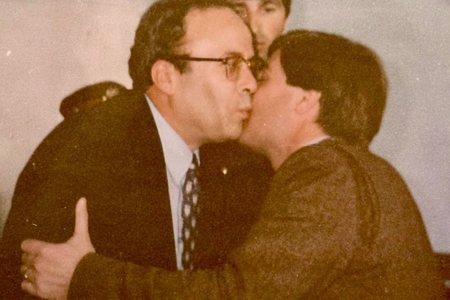

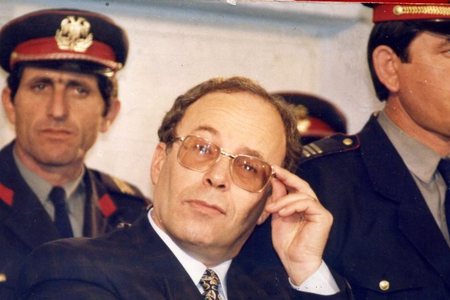
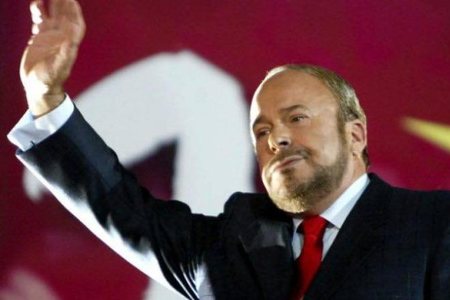
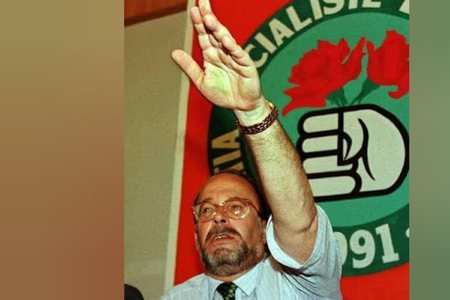
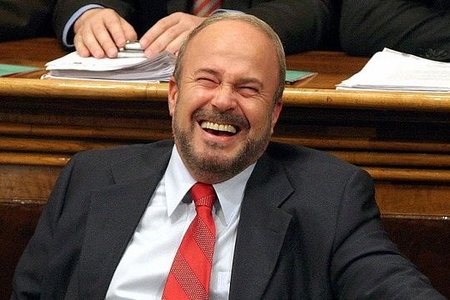


Bashkë me Ramiz Alinë dhe me gjithë kastën politike 46 vjeçare të P.P(PS) hodhi themelet e tranzicionit të stërgjatur 35 vjeçar . Në vënd të reformave ekonomike dhe strukturore transformuese drejt ekonomisë tregut dhe të lirive dhe të drejtave themelore , nuk ndoqi politikën e 'dyerve të hapura', por të dyerëve të shqyera', ku konçensionet mbi pasuritë 'mbi e nën tokësore' ishin klienteliste, korruptive dhe të dëmshme për ekonominë kombëtare dhe interesin publik. Burgu dyshoj se ishte një 'komplot i kastës'. Të amnistosh Nanon do të thotë të amnistosh 'Kastën'.