


 Shkruar nga Genc Burimi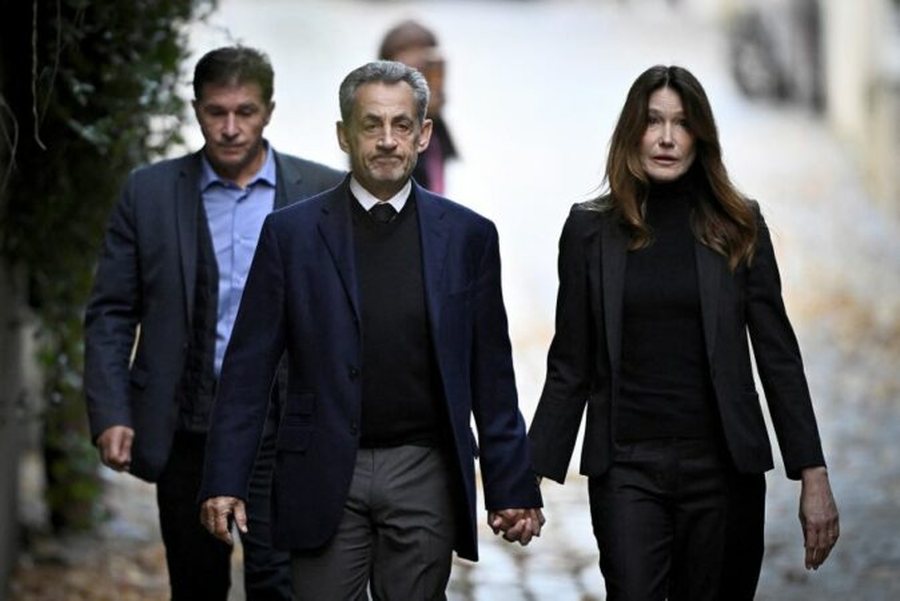
This is not called a debate in the name of legal ethics, but a partisan political war.
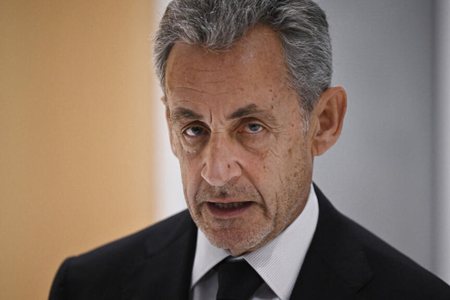
In addition to the economic gap and the functioning of the institutions of the rule of law, another abyss separates Albania from Europe. The most commented news today in France, that of the much-publicized imprisonment of former President Nicolas Sarkozy, places Albania before a radical lack of debate on legal ethics.
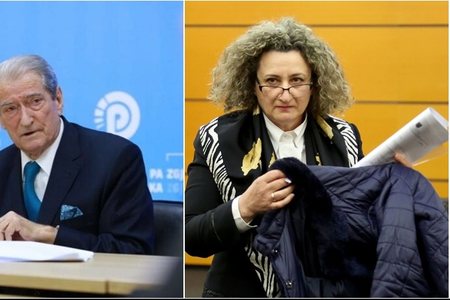
The parallelism is terrible at this point: on the one hand, in France, there is controversy over how a man, moreover a former president, is imprisoned, who has nevertheless been tried and sentenced to 5 years in prison. On the other hand, there is absolute silence in Albania, from Beleri to Veliaj, passing through Berisha or Meta, all imprisoned not after conviction, but even before trial! Where are the intellectuals, jurists, journalists, lawyers, law professors and politicians who will finally dare to open a debate on the sacred principle of the presumption of innocence?
Of course, Rama and his socialist camp opened this debate, but only for "their" Veliaj and only after they were satisfied with the fate of two former presidents and a former mayor. Of course, the opposition camp also opened this debate, but only for their own, being satisfied with the fate of Veliaj. This is not called a debate in the name of legal ethics, but a partisan political war.
A completely different situation is happening in France. Today, even President Emmanuel Macron himself, the guarantor of the proper functioning of justice, without making any comment on Sarkozy's imprisonment, called it more than normal that a debate is taking place on whether or not the law on provisional execution of sentences should be reviewed.
It is this law that leads to imprisonment immediately after a first-instance conviction of more than two years in prison, without waiting for the defendant to appeal. This French law contradicts the presumption of innocence, which means that no one can be declared guilty, much less convicted, unless there is a final and binding judicial decision. Therefore, no one can be convicted without waiting for all possible appeals.
For Nicolas Sarkozy, as for Marine Le Pen, this sacred principle was not respected, not because the judges were angry and abused it, but because such is the current French law. In addition to politicians, this law currently sends over 80% of those tried in the first instance to prison and thus serves to isolate terrorists and drug traffickers. If this law is relaxed, beyond politicians, other much more dangerous convicts risk benefiting. That is why there is a debate in France about how to combine immediate punishment with the presumption of innocence.
In Albania, there is no debate about how a person who has not yet been tried can be kept in prison for so long. Moreover, the French political class voted unanimously in 2016 to tighten this law of immediate sentencing after the first instance decision, in the name of restoring public trust in the political class. If the debate is opening today, it is because this law of the French Republic is becoming media-worthy due to the immediate sentencing of Sarkozy to prison, and the immediate sentencing of Marine Le Pen to not be a candidate for president in 2027.
Donald Trump, for example, like Sarkozy, was found guilty in the first instance in the summer of 2024, but did not serve any sentence because he had the right to appeal and the appeal had to be awaited before the sentence was carried out. In France, this was not possible for Sarkozy due to French legislation, so the public debate in France is whether or not the law should be changed.
Once again, how far Albania is from these debates. Let's imagine for a moment what would have happened in Western democracies if Sarkozy or Trump had been put in prison like Meta, or like Veliaj, or under house arrest like Berisha from the moment of the investigation, without waiting for the sentence or even the trial!
What is happening today in Albania with the preventive imprisonment of politicians without any trial does not happen anywhere else. Nor does the lack of debate happen anywhere else like in Albania. Let us hope that the 30th anniversary of the celebration of Albania's cooperation with the Venice Commission will bring a wind of change, at least in the public debate, so that we have it as depoliticized and dispassionate as possible.
The debate should start, at least, from the question of how in Albania a former president is arrested as a terrorist, while in France he is escorted to prison as if he were going to the Elysee Palace.




Lini një Përgjigje