


 Shkruar nga Nga redaksia Pamfleti – Shkodër | Podgoricë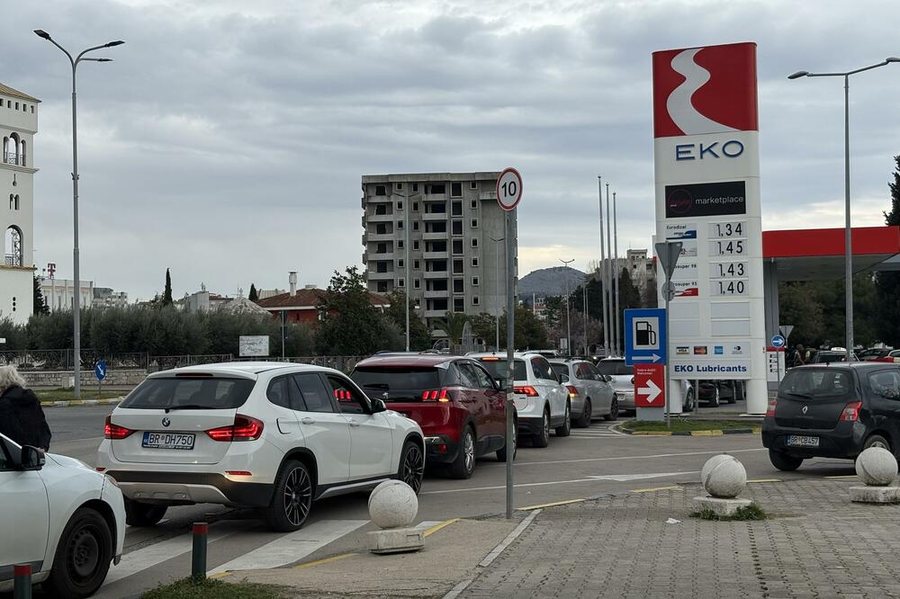
In Montenegro, the government intervened with an immediate fiscal decision to curb the price explosion; in Albania, a 20% reduction in excise duty was announced, but the market still sees oil at 214-219 lek per liter...
The Montenegrin government was accused of wavering and contradiction, because within 24 hours it went from the stance that reducing excise duty was not an option, to the decision to immediately reduce it to curb the sharp increase in fuel prices.
But, despite this sudden turn of events, Podgorica did what citizens feel directly in their pockets: it intervened in taxes and immediately softened the blow at the pump.
According to the report of "Vijesti", the Montenegrin government reduced the excise duty on eurodiesel by 50% and on gasoline by 25%, significantly reducing the effect of the expected increase and bringing eurodiesel to around 1.56 euros per liter. So, in Montenegro there were political zigzags, but there was also a real, tangible and immediate decision for the consumer.
In Albania, the picture is more serious and disappointing. Here, the government has announced that it will reduce excise duty by 20% and that it will restore the Transparency Board, but in the meantime, oil has touched 214 lek per liter and at some points has gone up to 217-219 lek, i.e. very close to or at the limit of 2.2 euros per liter. Unlike Montenegro, where the fiscal measure was put into motion to avoid a complete explosion in prices, in Albania the market has already crossed the threshold of public alarm and the government continues to talk about a reduction that has not yet been really reflected in the final price for citizens. Even media reports next to the official announcement present the measure as a decision that “will be clarified in the coming days”, while the board “will be established next week”, which means that there is still a gap between the political declaration and the concrete effect.
And this is where the real political comparison begins. Podgorica backed down from its initial stance and accepted the budgetary cost to prevent the price of fuel from getting out of control. Tirana, on the contrary, is following a scenario where the word “reduction” circulates faster than the reduction itself. Ministers talk about reducing excise duty, the market continues to sell at record prices, while the Albanian citizen has not yet seen a lighter bill at the pump. This is the brutal difference between a government that acts under pressure, but acts, and a government that announces intervention, while letting the market continue at the same level of constraint on the consumer.
Nga ana teknike, ulja e paralajmëruar në Shqipëri është gjithsesi shumë më modeste se ajo e Malit të Zi. Sipas analizës së “Monitor”, akciza aktuale është rreth 39.6 lekë për litër dhe një reduktim me 20% do ta zbriste atë në rreth 31.68 lekë, duke krijuar një efekt të pritshëm prej vetëm 8-10 lekësh për litër në çmimin final. Vetë aktorët e tregut e konsiderojnë këtë ndikim minimal, duke argumentuar se një rritje prej 10-15 lekësh brenda një dite e gëlltit menjëherë pothuajse të gjithë efektin e masës së shpallur nga qeveria. Me fjalë të tjera, edhe po të zbatohet nesër, kjo ulje nuk e ndryshon strukturën e rëndë të çmimit të naftës në Shqipëri; thjesht i heq pak presion një tregu që tashmë është mbingarkuar.
Në fakt, Shqipëria nuk vuan vetëm nga luhatjet ndërkombëtare, por edhe nga pesha e vet fiskale mbi çdo litër karburant. Sipas të dhënave të cituara nga përfaqësuesit e sektorit, vetëm në taksa direkte paguhen rreth 100 lekë për litër që në hyrje: taksa e qarkullimit 27 lekë, akciza rreth 39 lekë dhe TVSH rreth 30 lekë, pa llogaritur kostot operative, transportin, shpenzimet bankare, sigurimet dhe taksat vendore. Ky është thelbi i problemit shqiptar: çmimi i lartë nuk është vetëm import i krizës së jashtme, por edhe produkt i një barre fiskale të ndërtuar prej vitesh dhe të mbajtur në këmbë edhe në kohë presioni social. Prandaj, kur qeveria del sot dhe thotë se “do ta ulë me 20%”, kjo tingëllon më shumë si korrigjim i pjesshëm i një problemi që vetë shteti e ka ushqyer, sesa si zgjidhje e plotë.
Krahasimi me Malin e Zi bëhet edhe më therës për Tiranën kur shihet rezultati final. Në Podgoricë, pas uljes së akcizës, çmimi i naftës projektohet në rreth 1.56 euro për litër. Në Shqipëri, tregu po lëviz në 214-219 lekë për litër, që është afërsisht 2.15 deri 2.2 euro. Diferenca është e frikshme jo vetëm numerikisht, por sidomos politikisht: Shqipëria, me paga më të ulëta, me ndjeshmëri më të madhe sociale dhe me ekonomi familjare shumë më të brishtë, po e sheh naftën në nivele dukshëm më të larta se fqinji i saj, ndërsa qeveria ende nuk ka kaluar nga gjuha e njoftimit te efekti i prekshëm në treg. Kjo e bën premtimin për ulje jo një lajm qetësues, por një provë të vonesës.
Edhe rikthimi i Bordit të Transparencës nuk e zbut dot këtë perceptim. Shqipëria e ka provuar këtë mekanizëm edhe në kulmin e krizës pas nisjes së luftës në Ukrainë, por vetë të dhënat e ruajtura nga “Monitor” tregojnë se bordi nuk e pengoi ngjitjen e çmimit në rekordet e asaj kohe, deri në 265 lekë për litër në qershor 2022. Kjo është arsyeja pse rikthimi i të njëjtës formulë sot ngjan më shumë si refleks administrativ sesa si garanci reale për qytetarin. Qeveria po përpiqet të krijojë përshtypjen e kontrollit, por pyetja që mbetet pezull është shumë e thjeshtë: nëse është marrë vendimi për uljen e akcizës, pse konsumatori shqiptar ende po furnizohet me naftë në kufirin e 2.2 eurove?
In the end, the message that emerges from this comparison is stark and clear. Montenegro tried not to let the oil crisis turn completely into a social crisis; Albania is acting as if a political declaration is enough to replace the implemented decision. Podgorica, albeit hesitantly, lowered the tax and immediately produced an effect. Tirana announced a reduction, but so far the Albanian citizen has only seen the gas station signs going up, not the bill going down. And this is the difference between the propaganda of reaction and the politics of action: in the first one you hear the promise, in the second you feel the reduction. In Albania, up to this moment, oil has not decreased; only the language of the citizens' patience has decreased./ Pamphlet



Lini një Përgjigje