


 Shkruar nga Pamfleti
Countries in the region are trying to mitigate the consequences of fluctuations in the global oil market through measures such as reducing excise taxes on oil...
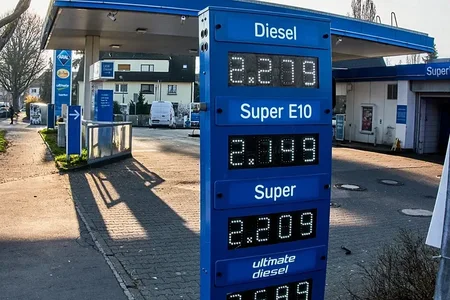
The war in the Middle East has shaken fuel markets, with Brent crude rising to $100-$119 per barrel. Although oil prices fell 0.4% on March 20 to around $108 per barrel, experts say the economic fallout from the geopolitical tensions is unlikely to ease in the short term.
Experts say the closure of the Strait of Hormuz has taken about 7 to 10 million barrels per day off the global market, or about 7% to 10% of total world demand. On March 19, U.S. Treasury Secretary Scott Bessent signaled possible measures to control rising oil prices. These include lifting sanctions on Iranian oil tankers and considering further releases from the U.S. Strategic Petroleum Reserve, Reuters reported.
The six Western Balkan countries have not escaped the blow of rising oil prices. This has led their respective governments to begin taking measures, some more quickly and others a little more slowly, to prevent economic paralysis.
All 6 Western Balkan countries are highly dependent on fossil fuel imports for transport and industrial production, meaning their oil markets are under constant pressure, writes EWB.
Albania and Bosnia and Herzegovina announce reduction in excise duty on oil
Albania is the country with the most expensive fuel in Europe when the price of oil is compared to the income of citizens. It is estimated that an Albanian citizen currently has to spend 7.2% of their daily income to buy a liter of oil. The high prices are significantly influenced by fiscal policies.
As of March 20, 2026, the price of oil in Albania has reached around 214 lek per liter ($2.58). This increase, after the outbreak of the war in Iran, from around 170–175 lek per liter previously, represents one of the highest levels in recent times. According to Prime Minister Edi Rama, oil prices in Albania “have increased moderately compared to the increase in international markets.”
At the same time, Rama said that the government is working on a new initiative, which foresees the authorities entering the market as a guaranteed distributor and wholesaler. He stressed that the state's role will be to ensure supply quantities, support operators and facilitate relations with third parties.
Gjithashtu, ministrja e Ekonomisë dhe Inovacionit, Delina Ibrahimaj, njoftoi se qeveria do të riaktivizojë Bordin e Transparencës për të monitoruar çmimet e karburanteve. Ajo konfirmoi edhe një ulje prej 20% të akcizës për naftën, duke e ulur atë nga 39.6 lekë për litër. Sipas mediave shqiptare, vendimi u mor pas zhvillimeve të fundit në treg.
Në mënyrë të ngjashme, në Bosnje e Hercegovinë, qeveria e Federatës ka nisur një propozim për të hequr përkohësisht ose për të ulur ndjeshëm akcizën mbi karburantet. Kryeministri Nermin Niksiç deklaroi se shteti është i gatshëm të heqë dorë nga të ardhurat për të ndihmuar distributorët dhe për të mbrojtur qytetarët më të cenueshëm nga presioni inflacionist mbi ushqimin dhe transportin.
Në fillim të marsit 2026, çmimi i naftës në Bosnje e Hercegovinë ishte rreth 2.55 marka për litër (afërsisht 1.52 dollarë), por është rritur ndjeshëm dhe tani kalon 3 marka (1.78 dollarë) në disa pika karburanti. Zyrtarët thanë se kontrollet e shtuara synojnë të parandalojnë rritje të pajustifikuara të çmimeve dhe të mbrojnë konsumatorët.
Bizneset në Kosovë kërkojnë ndërhyrje, Mali i Zi paralajmëron masa konkrete
Në Kosovë, bizneset kanë kërkuar prej disa javësh ndërhyrje nga qeveria për të frenuar rritjen e çmimeve të karburanteve, raportoi Koha Ditore. Si pasojë e përshkallëzimit të tensioneve në Lindjen e Mesme, çmimet janë rritur me mbi 20 cent, duke kaluar 1.50 euro për litër naftë.
Ministria e Industrisë, Ndërmarrësisë, Tregtisë dhe Inovacionit, në fillim të rritjes së çmimeve, vendosi marzhe fitimi për operatorët: 2 cent për shitjen me shumicë dhe 12 cent për shitjen me pakicë.
Ministrja Mimoza Kusari-Lila deklaroi se stabilizimi i çmimeve pritet në muajt e ardhshëm, veçanërisht gjatë verës.
Çmimi aktual i naftës në Mal të Zi është rreth 1.50 dollarë për litër, ndërsa më 1 mars ishte rreth 1.38 dollarë. Ministri i Energjisë dhe Minierave, Admir Sahmanoviç, i tha gazetës Dan se qeveria po ndjek nga afër zhvillimet në treg dhe po shqyrton masa për të zbutur rritjen e çmimeve. Ai shtoi se publiku do të informohet së shpejti për hapat konkretë.
Sipas gazetës Dan, skenari më i mundshëm është ulja e akcizës me një të katërtën, çka do të ulte çmimin e karburantit me 13 cent. Në këtë rast, çmimi i naftës nuk do të rritej me 30 cent, por me 17 cent, duke arritur në 1.67 dollarë për litër.
Maqedonia e Veriut shqyrton uljen e TVSH-së, Serbia shpall masa shtesë
Maqedonia e Veriut në përgjithësi mban çmime më të ulëta të karburanteve krahasuar me fqinjët, veçanërisht Serbinë, për shkak të taksave më të ulëta. Çmimi aktual për një litër naftë është rreth 85.5 denarë (1.6 dollarë), duke reflektuar një rritje të ndjeshme në fillim të marsit 2026, kur çmimet u rritën me 14.5 denarë.
Qeveria e Maqedonisë së Veriut i tha Telegrafi.com se po monitoron në mënyrë aktive situatën dhe se ndër alternativat në shqyrtim është ulja e TVSH-së nga 18% në 10%, me qëllim mbrojtjen e standardit të jetesës së qytetarëve.
In Serbia, the current price for a liter of diesel is 208 dinars ($2.04). At the beginning of March 2026, the price ranged from 203 to 208 dinars per liter, supported by government-regulated pricing policies.
Serbia has extended a ban on exports of crude oil and fuel products until April 2, to protect the domestic market from shortages and price increases. The ban includes exports of oil, gasoline and other products through all forms of transport.
Serbian President Aleksandar Vučić, in an address on March 20 after the National Security Council meeting on energy security, announced three main measures.
He said that the first measure is to reduce the excise tax by more than 20%. According to him, the real price of oil would be 257 dinars per liter, but at gas stations it was 208 dinars. The government decided to allow only an increase of four dinars, bringing the price to 212 dinars.
The second measure foresees the release of 40 thousand tons of oil from strategic reserves, while the third measure targets the agricultural sector: for the next seven days, the price of oil for farmers will be limited to 181 dinars per liter. /Pamphlet/



Lini një Përgjigje