


 Shkruar nga Pamfleti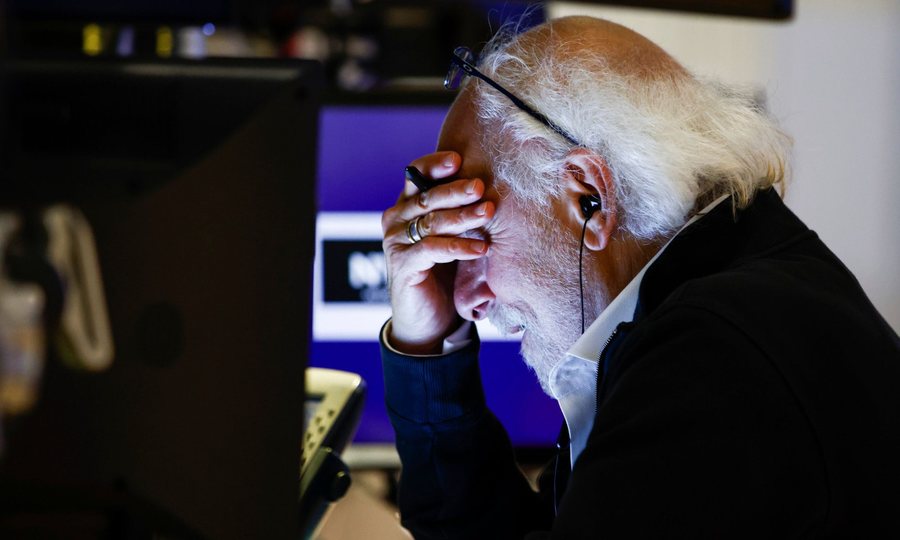
The US stock market is at a critical point, according to multinational investment bank and financial services firm Piper Sandler.
Analysts at the firm said the 6600 level is key for the S&P 500. At the same time, they identified a "toxic macroeconomic triad" of forces that is pushing US stocks to the limit, as Business Insider writes.
“Equity markets are reaching a turning point,” the firm said in a note, which identified the 200-day moving average at 6,600 as a critical level to watch. The S&P 500 briefly fell below that level during Thursday’s session before recovering.
The stock market has shown relative stability despite the significant increase in oil prices, however, the decline below the key resistance level suggests that further losses may follow.
JPMorgan analysts, who on Thursday (March 19) cut their forecast for the S&P 500 through 2026, also highlighted 6,600 as a critical level. They also noted that strong support for the index could only emerge at 6,200 and 6,000, which would mean a drop of about 9%.
For their part, Morgan Stanley technical analysts estimate that the index will stabilize sooner, in the range of 6,400 to 6,500 points, but warn clients of strong volatility in the coming weeks.
But what are the forces behind the "toxic macroeconomic triad" that is pushing US stocks to the limits, according to Piper Sandler.
Persistent inflation
Inflation has emerged as a major concern for investors as the United States approaches a month of war with Iran.
The latest inflation figures were in line with economists' estimates, although they remain above the Federal Reserve's target. The effects of rising oil prices and disruptions related to the restriction of the flow of oil and other goods through the Strait of Hormuz have not yet been reflected in the economic data.
JPMorgan and Bank of America said the market is too focused on inflation and that the risks from the war are tilted towards slowing economic activity.
Rising energy prices
The "rising" price of oil has been the dominant force influencing markets during the three weeks of the war with Iran.
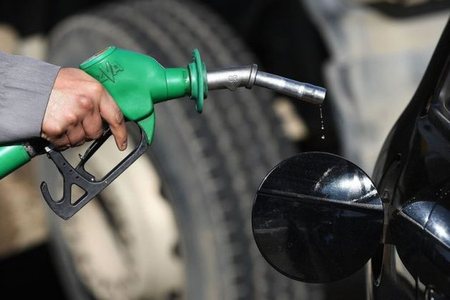
Brent crude prices have surged more than 75% since the United States and Israel attacked Iran, and experts warn that oil could rise even further. The surge has pushed gasoline prices above $3.80 a gallon in all 50 states, according to official data.
Federal Reserve's cautious stance The
Federal Reserve left interest rates unchanged at its March meeting, as expected. Jerome Powell and other members of the Federal Reserve are taking a wait-and-see approach as concerns about the U.S. economy intensify.
Markets were expecting more interest rate cuts, as lower rates are a key scenario to support stocks, but this could take longer than expected.
The central bank faces the challenge of balancing the dual mandate of maximum employment and price stability. Powell stressed that there must be progress in inflation before interest rate cuts can be considered. "If we don't see that progress, there won't be any interest rate cuts," he explained.







Lini një Përgjigje