


 Shkruar nga Pamfleti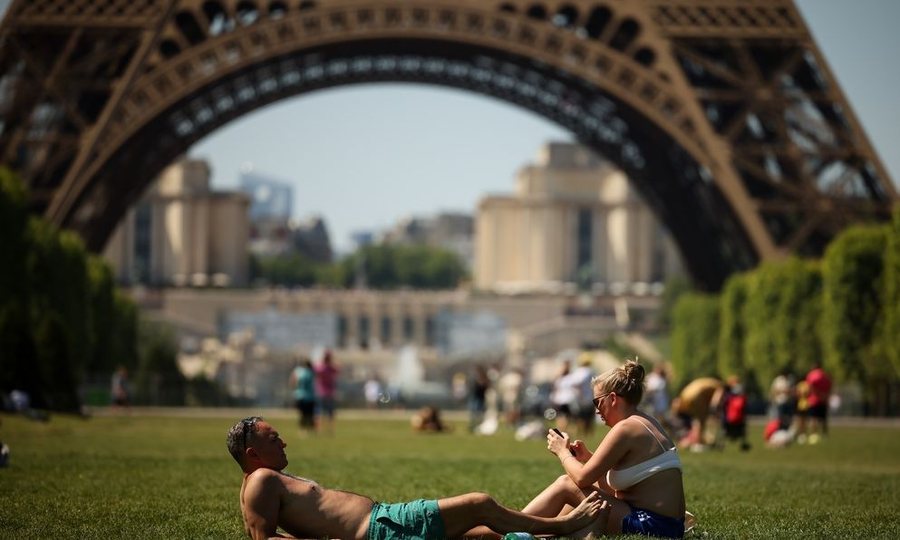
Europe is bracing for a prolonged heatwave as temperatures approach 40 degrees Celsius...
A severe heatwave hit much of Europe on Sunday, with temperatures approaching 40 degrees Celsius, triggering national warnings, transport disruptions and signs of a negative impact on wildlife and tourist destinations.
The sudden rise in temperatures on June 21, the day of the summer solstice in the northern hemisphere and the start of the three hottest months of the year, has raised concerns about an early and sustained onset of extreme weather conditions.
After days of temperatures above 35°C, Italian authorities declared a red alert for June 21 in eight cities, including Bologna, Florence, Milan and Turin. In Rome, pilgrims in St. Peter's Square used umbrellas and other protective gear to protect themselves from the scorching sun, while the Pope led the traditional Sunday prayer from a window of the Apostolic Palace.
The rise in temperatures is attributed to a mass of hot air moving north from the Sahara, fed by a powerful high-pressure system known as the “African anticyclone.” Meteorologists say this system creates a so-called “heat dome,” which traps warm air over Western and Central Europe, allowing temperatures to gradually rise day by day.
Residents and tourists in Madrid used portable fans and sipped on cold drinks as they visited the famous El Rastro open-air market. "I'm wearing white because it's so hot and I always carry my little electric fan with me," said Hayley San Cesario, a 22-year-old engineer from Miami.
Spain's meteorological service AEMET issued red and orange warnings for several regions, warning of temperatures that will exceed 39 to 40 degrees Celsius in large parts of the Iberian Peninsula and Mallorca. The institution announced that the heat wave is expected to last at least until the middle of the week.
Half of France on alert
France declared a red heat alert for almost half of its territory, including Paris, for Monday as a heatwave pushes temperatures to record highs. On Sunday, temperatures in the southwestern city of Bordeaux reached 40 degrees Celsius.
Earlier, French authorities banned the consumption of alcohol in public spaces during the annual "Fête de la Musique", a national music festival that draws millions of people to the country's streets.
"For all activities organized by the state and its services, instructions have been given not to offer alcohol," Prime Minister Sébastien Lecornu's office announced.
Qeveria franceze sqaroi se kufizimet synojnë “ruajtjen e kapaciteteve të shërbimeve emergjente dhe të kujdesit shëndetësor, duke i lejuar personelit mjekësor të përqendrohet te kujdesi për grupet më të cenueshme”.
Temperaturat pritet të arrijnë kulmin të hënën (22 qershor) dhe autoritetet kanë paralajmëruar se mund të regjistrohen nivele historike. Alarmi i kuq përfshin një pjesë të madhe të Francës Perëndimore dhe Qendrore, ndërsa shumë rajone të tjera mbeten në alarm portokalli.
Gati 850 shkolla do të qëndrojnë të mbyllura të hënën, ndërsa 1.500 të tjera do t’i lejojnë nxënësit të largohen më herët.
Gjithsej 49 rajone franceze, përfshirë Parisin, janë vendosur në alarm të kuq për vapën. Temperaturat në rritje lidhen me masën e ajrit të nxehtë që po lëviz nga shkretëtira e Saharasë drejt veriut dhe që bllokon ajrin e nxehtë mbi Evropën Perëndimore dhe Qendrore.
Shërbimi meteorologjik francez Météo-France deklaroi se mbetet “e pasigurt” se sa do të zgjasë kjo valë e të nxehtit, e cila vlerësohet se do të prekë rreth tre të katërtat e popullsisë së vendit.
Për të ndihmuar banorët dhe turistët të përballojnë temperaturat e larta, autoritetet në Paris kanë vendosur të mbajnë të hapura gjatë gjithë natës parqet dhe kopshtet publike.
Festivali “Fête de la Musique” organizohet prej më shumë se 40 vitesh dhe zhvillohet gjithmonë gjatë solsticit veror. Vitin e kaluar, rreth dy milionë persona morën pjesë në aktivitetet e organizuara vetëm në Paris.
Nxehtësia e tepërt ka filluar të ndikojë edhe në infrastrukturë. Duke folur nga stacioni Gare Montparnasse në Paris, drejtori i SNCF-së, Jean Castex, tha se rrjeti hekurudhor është “ndikuar rëndë” nga temperaturat e larta, të cilat rrezikojnë të dëmtojnë linjat ajrore të furnizimit me energji elektrike dhe të shkaktojnë zgjerimin e shinave.
Ai bëri të ditur se 3.500 punonjës janë angazhuar për monitorimin e rrjetit, ndërsa 2.000 të tjerë janë në gatishmëri për ndërhyrje urgjente. Castex u bëri thirrje udhëtarëve më të rrezikuar të shtyjnë udhëtimet e tyre.
Operatori hekurudhor ka anuluar 71 trena të distancave të gjata deri të hënën në disa prej linjave kryesore të vendit.
Vapë dhe stuhi në Gjermani
Në Gjermani, ku temperaturat kanë arritur tashmë në 38 gradë Celsius, shërbimi meteorologjik DWD paralajmëroi për stuhi të forta në rajonet lindore, përfshirë Berlinin, ku reshjet intensive ndërprenë festivalin në natyrë “Fête de la Musique”.
Organizatorët u detyruan të evakuonin fushën qendrore të turneut Berlin Open për shkak të reshjeve të dendura dhe erërave të forta, ndërsa tifozët prisnin finalen mes amerikanes Jessica Pegula dhe çekes Linda Noskova.
Edhe qendrat e shpëtimit të kafshëve të egra raportojnë rritje të presionit. Një qendër pranë qytetit belg Namur njoftoi se kishte pranuar rreth 150 kafshë që kishin pësuar stres termik gjatë ditëve të fundit, me zogjtë e vegjël që përballen me rrezikun më të madh.
"Little birds prefer to jump out of their nests rather than stay there and die from the heat," said CREAVES founder Romain De Jaegere, adding that rescue centers across Belgium are overwhelmed.
Experts say the situation reflects a broader trend, as heatwaves in Europe are becoming more frequent and intense as a result of climate change. /Adapted from AP /








Lini një Përgjigje