


 Shkruar nga Gjergj Zefi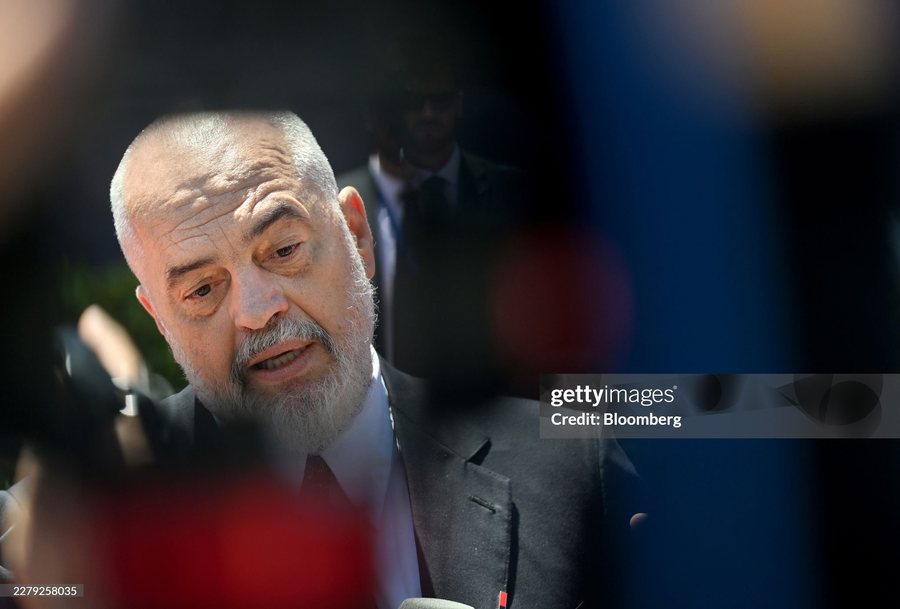
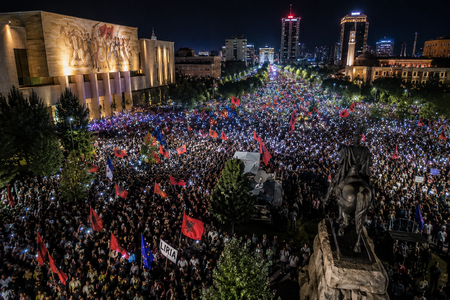
Criminalization of power, corruption, injustice and civic anger fill the squares. Edi Rama continues to blame the algorithm...
There is something deeply ironic in the way Edi Rama is trying to explain the protest that is taking place before his eyes.
According to him, the protesters are not there for themselves. They are not there for the criminalization of power, for corruption, for injustice, for arrogance, for a state that treats citizens as obstacles and not as sovereigns. They are there because they follow an algorithm.
It's a convenient explanation. Too convenient, even. Because the algorithm is always a better culprit than reality. The algorithm doesn't oppose you. It doesn't vote. It doesn't protest. It doesn't hold you accountable. It doesn't remind you of unfulfilled promises. It doesn't ask you why Albania continues to empty. It doesn't ask you why corruption has gripped every link in the state, while justice moves at the pace of a turtle.
For years, the government has explained all discontent as products of manipulation. When students protested, someone manipulated them. When citizens protested, someone manipulated them. When farmers protested, someone manipulated them. When pensioners protested, someone manipulated them. Now the algorithm is manipulating them.
In the end, it turns out that there are no dissatisfied citizens in Albania. There are only people manipulated by mysterious forces operating behind the scenes.
But the problem with this reasoning is that it contradicts the very daily lives of Albanians. You don't need an algorithm to see the criminalization of power. You don't need an algorithm to see corruption. You don't need an algorithm to see how public wealth passes from the hands of the state to the hands of clients of power. You don't need an algorithm to see how the law is applied with one standard for the ordinary citizen and another standard for people connected to politics. You don't need an algorithm to see empty villages, shrunken cities, and a society that is learning to consider emigration as a solution.
This is why the prime minister is wrong when he thinks that the protest continues to be only about a project. The project was the spark. But no one gathers thousands of people with just a spark. The fire is lit when there is a buildup of anger, disappointment and distrust. This is exactly what the government refuses to see.
Flamingos were the symbol. Sazani was the address. But the protest is no longer about flamingos or Sazani. It is about a model of governance that many citizens consider outdated. It is about the conviction that Albania is not administered in the public interest, but in the interests of a minority that revolves around Edi Rama.
That's why the statements about algorithms sound like an attempt to escape the real debate. It's easier to attack the protesters' motives than to confront their reasons. It's easier to say that someone is manipulating them than to admit that many of them have come to the conclusion on their own that nothing is working in the country.
Ultimately, political history has taught us that protests don't become dangerous when people take to the streets. Protests become dangerous when those in power lose the ability to understand why they took to the streets.
Edi Rama continues to deal with the spark.
And when a prime minister deals with the spark and not the fire, he risks not understanding what is burning around him./ Pamphlet





Vella leri llogarite, po mbaje nje avion ndezur ne rinas.
Perfundimisht ky gje e shemtuar dhe e lajthitur duhet te largohet. Algoritmet ti marre e ti fuse aty ku duhet, eshte tamamsiç thoni ju z. Zefi qe, jeta dhe perditshmeria nuk jane algoritme