


 Shkruar nga Gjergj Zefi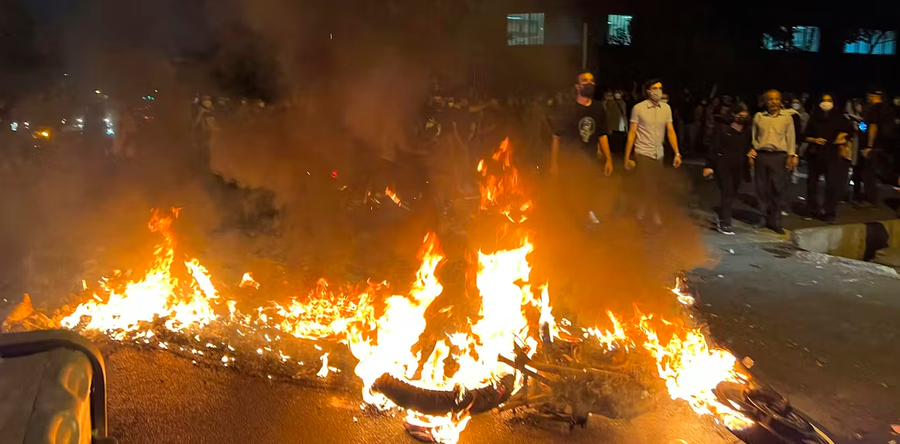
Violence in Iran and the silent complicity of global diplomacy...
There is a dangerous, often intentional, misconception in international politics: the idea that silence in the face of repression is neutrality. It is not! Silence is positioning, and it is usually positioning on the side of the strongest, not the most just.
For weeks, Iranian cities have been the scene of violent clashes between citizens and the state security apparatus. Protests sparked by poverty, inflation and a lack of prospects have quickly turned into a political revolt against the system itself. The regime's response has been brutal: the use of firearms against protesters, mass arrests, disappearances, the pursuit of the wounded to hospitals, a total shutdown of the internet to obscure reality.
The human toll is heavy. Hundreds killed, thousands arrested, an entire generation frightened but not silenced. And yet, beyond formal declarations of “concern,” the West is choosing to speak in low tones, as if the violence were a secondary detail in a larger geopolitical equation.
This is where neutrality falls. There can be no middle ground when the state kills its own citizens for demanding dignity. There can be no diplomatic balance over the bodies of protesters. Any silence, any delay in reaction is interpreted by the regime as a green light to continue repression.
The argument of stability has become the most dangerous alibi of modern diplomacy. Stability imposed by violence is not stability, but a postponement of crisis. The history of the Middle East, but also of Europe, has clearly shown that regimes that survive by killing their citizens are not reformed by silence, but are radicalized by it.
Moreover, double standards are seriously eroding the West’s credibility. When violence occurs elsewhere, the response is harsh, sanctions swift, moral rhetoric loud. When it occurs in Iran, the language becomes technical, cautious, almost cold. This sends a clear message to protesters: your life is worth less than our strategic balances.
In the end, history will not ask how complicated the diplomatic files were, but why there was silence when unarmed citizens faced bullets. Silence is not neutrality. It is a chosen side. And today, this side is weighing on the conscience of those who claim to defend universal values./ Pamphlet




Lini një Përgjigje