


 Shkruar nga Pamfleti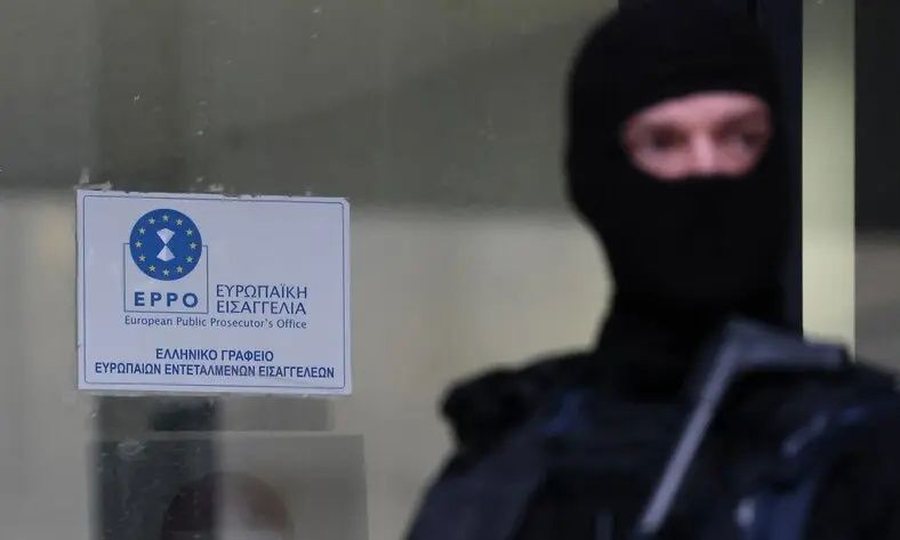
Over 1,150 people have been charged in five major investigations into fraud involving OPEC funds, with estimated damage exceeding 17 million euros.
Codenamed "Operation Harvest", the Directorate for the Fight against Organized Crime of the Greek Police, known as the "Greek FBI", has uncovered and cracked down on the long-term activity of criminal organizations that illegally benefited from agricultural subsidies from the Greek Organization for Payments and Control of Community Aids (OPEKEPE).
According to an analysis based on data from the Greek Police, 5 criminal organizations operating from Crete to northern Greece have been dismantled over the past six months. The cases investigated highlight the deep and ongoing involvement of organized crime in the agricultural subsidy system.
Investigations show that the members of these networks had no real connection to agricultural or livestock production. They exploited loopholes in the system to illegally benefit from public and European funds.
The files of the Directorate for the Fight against Organized Crime show that the activity of these groups dates back at least to 2018. At the same time, the investigations refute the perception that subsidy fraud is mainly carried out by farmers or ranchers with political connections. In many cases, these are well-structured criminal organizations, which operated according to typical methods of organized crime.
Over 1150 people under indictment
The operations conducted under the name "Harvest" began on the orders of the current political leaders of the Ministry of Citizen Protection, long before the OPEKEPE issue became a topic of public debate.
The balance of the investigations so far is considerable: 1,151 people have been accused of involvement in the five cases uncovered, over 90 people have been arrested, at least 17 of them have been remanded in custody, around 40 people have been temporarily detained and then released with restrictive measures, while the damage caused by the five criminal organizations is estimated to exceed 17 million euros.
Authorities emphasize that investigations are ongoing and that the exact amount of damage has not yet been definitively determined. A government source, who follows the process of reforming the agricultural subsidy mechanism, stated that these are not individual cases of fraud.
"There are also minor cases of abuse and dozens of people have been convicted or are facing justice. But in these five cases we are dealing with structured criminal organizations, with defined roles, hierarchy and long-term activity. This is a side of the OPEKEPE issue that the public is not widely aware of," he said.
How did the scheme work?
Analiza e 5 rasteve tregon se organizatat kriminale përdornin pothuajse të njëjtën metodë veprimi. Fillimisht identifikonin parcela bujqësore ose kullota që kishin të drejtë për subvencione, por nuk ishin deklaruar nga aplikues të tjerë pranë OPEKEPE-së.
Në shumë raste bëhej fjalë për: prona të qytetarëve që nuk kishin dijeni; prona të personave të vdekur; toka në pronësi të shtetit.
Më pas, drejtuesit e organizatave ose persona me njohuri kontabiliteti regjistronin këto prona në deklaratat pasurore të bashkëpunëtorëve apo të afërmve të tyre.
Këta persona paraqiteshin në mënyrë të rreme si: pronarë; qiramarrës; ose shfrytëzues të ligjshëm të parcelave.
Duke u bazuar në këto deklarime të rreme, paraqiteshin kërkesa për përfitimin e subvencioneve.
Pas miratimit të pagesave, regjistrimet në deklaratat e pasurisë (E9) fshiheshin për të mbuluar gjurmët e mashtrimit.
Detajet nga hetimi
Hetuesit zbuluan gjithashtu se disa prej personave që deklaroheshin si pronarë kullotash raportonin numër shumë më të madh kafshësh nga ai real.
Qëllimi ishte i qartë: përfitimi i subvencioneve më të larta që lidhen me aktivitetin blegtoral.
Në dy prej rasteve, organizatat kriminale dyshohet se kishin mbështetje nga punonjës të Qendrave të Pranimit të Deklaratave (KYD).
Këto qendra veprojnë si ndërmjetëse midis fermerëve dhe OPEKEPE-së.
Sipas hetimeve, përmes këtyre lidhjeve grupet kriminale siguronin: akses në të dhëna hartografike të OPEKEPE-së; informacion mbi parcelat e padeklaruara; trajtim më të favorshëm gjatë paraqitjes së aplikimeve. Kjo u lejonte të identifikonin më shpejt sipërfaqet që mund të përdoreshin për mashtrim.
Një prej organizatave kriminale përdori një metodë tjetër. Ajo krijoi dy kompani që lëshonin: fatura fiktive; etiketa të falsifikuara certifikimi për farërat. Të ardhurat e paligjshme siguroheshin kur persona të lidhur me këto kompani paraqisnin aplikime pranë OPEKEPE-së, duke bashkëngjitur dokumentet e falsifikuara si prova të aktivitetit ekonomik.
Rrjete që shtriheshin në të gjithë Greqinë
Një element që ka tërhequr vëmendjen e autoriteteve është shtrirja e gjerë gjeografike e të akuzuarve.
Rasti i parë çoi në ngritjen e akuzave ndaj më shumë se 40 personave dhe përfshinte veprimtari në Kretë dhe Samos.
Organizata e dytë, e goditur në fillim të prillit, kishte bazë në Kilkis dhe në zona të tjera të Greqisë Veriore. Në këtë rast janë të përfshirë 290 persona.
Gjatë muajit maj, autoritetet çmontuan: një grup që vepronte në rajone të ndryshme të Kretës; dy organizata të tjera me bazë në Maqedoninë greke.
Megjithatë, rrjetet e tyre shtriheshin deri në: Kretë, Athinë, Santorini dhe Epir.
Në njërën prej këtyre organizatave, e cila sipas hetimeve vepronte të paktën që nga viti 2018, janë të përfshirë gjithsej 404 persona.
Hetime prej më shumë se një dekade
Informacione të veçanta tregojnë se autoritetet greke kanë investuar prej vitesh burime të konsiderueshme për luftën kundër abuzimeve me subvencionet bujqësore.
According to sources, to date, around 70 inspections and investigations have been ordered for possible irregularities in OPEC funds, involving both individuals and companies.
The earliest investigations date back to 2010.
A senior official of the Directorate for the Fight against Organized Crime stated that every investigation requires a long time, evidence collection, numerous verifications and detailed data analysis.
"We still have a lot of work to do, but it is important to see that the effort is yielding results. With each case discovered, we better understand how these networks were organized and operated," he said.
In addition to the extensive investigation ordered by the prosecutor overseeing the activities of the “Greek FBI”, the case is also being examined by prosecutors of first instance courts, as well as by representatives of the European Public Prosecutor’s Office, who are conducting completed or still ongoing investigations regarding abuses in agricultural subsidy schemes. / Pamphlet adapted from Newsbomb.gr/







Lini një Përgjigje