


 Shkruar nga Pamfleti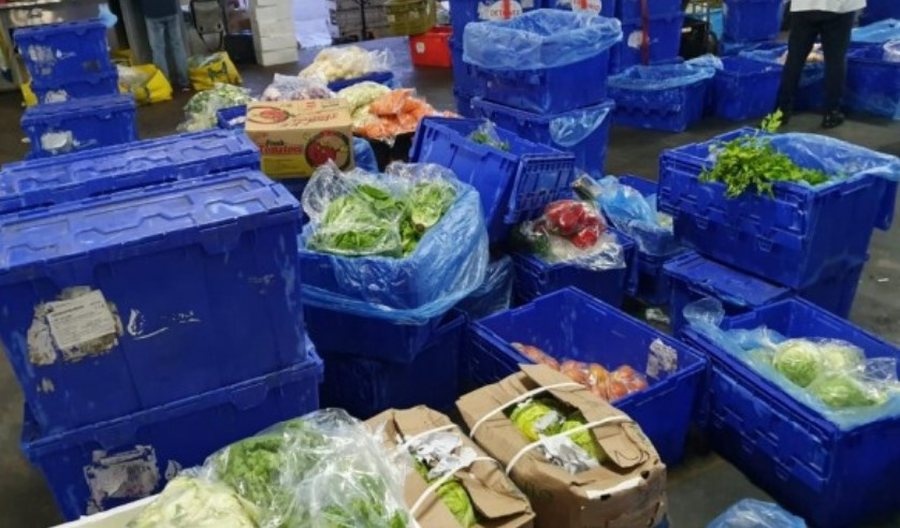
The tourism boom is failing to help or attract agriculture, but on the contrary, domestic production is being rapidly replaced by imports, even in products where Albania has traditionally had a competitive advantage, such as vegetables.
The latest foreign trade data for the first five months of 2026 show a significant increase in the country's dependence on food imports.
Total imports of the food group reached over 520 thousand tons for the period January-May 2026, marking an increase of 14% or about 62 thousand tons more compared to the same period a year earlier.
This double-digit expansion in food imports is being driven by strong consumption growth, driven mainly by early tourist arrivals and changes in the domestic market. But as the country has entered the peak of the agricultural production season, imports of vegetables and fruits have seen a strong increase.
Imports of the "Edible Vegetables" group reached 38 thousand tons in the 5-month period of 2026, from about 33 thousand tons in 2025, with an increase in quantity of 15.3% or 5 thousand tons more. Fruits have increased by 8.1%, exceeding the threshold of 51 thousand tons in the 5-month period.
Significant increases have also been recorded in meat and offal by about 14%, with a total of 20 thousand kilograms, and dairy products by 10.7%, demonstrating the continuous decline in the number of livestock heads in Albanian villages.
Cereals have seen the biggest increase, up 26.3% to 171,000 tons. Importers said imports are increasing due to fears of price increases due to the war in Iran.
This trend in food imports shows that hotel and tourism structures and local consumers themselves are covering their needs through imports at a time when the country's greenhouses and fields are at peak production.
The increase in tourist flows in Albania, which is being widely advertised as the new engine of economic development, is not being linked to domestic production. Instead of tourist money going to support local farmers, it is being channeled back abroad through imports.
If this trend continues, Albania risks turning into a service economy that is entirely fed from abroad./ Monitor







Lini një Përgjigje