


 Shkruar nga Steven Wills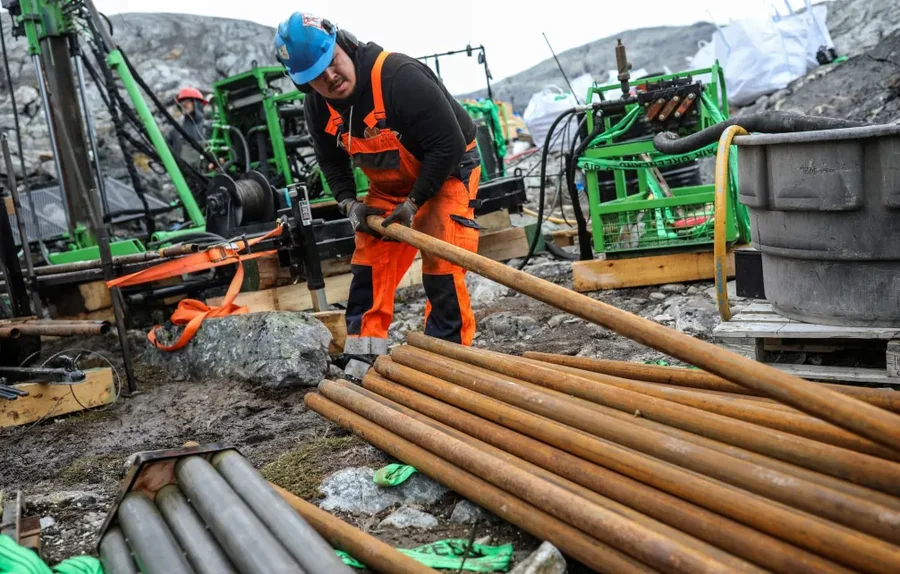
A fierce competition for land and influence is taking place in the Upper North, a campaign that smells similar to the territorial contests of the past…
The second third of the 19th century recorded a "great European scramble for Africa," as advances in technology, medicine, and communication allowed European explorers and colonizers to penetrate deeper into the continent's interior, which had hitherto been impenetrable.
The potential for conflict between competing European powers, as well as perhaps a desire to exploit such conflict, inspired German Chancellor Otto von Bismarck to invite European nations, as well as the United States and the Ottoman Empire, to a conference in Berlin in 1884 to better manage European claims within Africa.
Half of the nations present left without any African claims, but the conference perhaps, in part, marked the beginning of more than 30 years of vigorous European conquest that rapidly divided Africa into numerous spheres of influence. These borders still form the basis for much of the map of Africa today.
A similar combination of improved technology, communications and climate change, as well as the desire to exploit resources, has perhaps started a similar war for the Arctic, with many nations now competing for influence and control of territory that was previously inaccessible for much of the year.
The current center of gravity of this new geopolitical situation has been Greenland, the world's largest island and long owned by the Kingdom of Denmark, although it was also home to many Allied troops and bases during the Second World War and Cold War eras. Whoever has the right to control, and whatever happens next, there is no doubt that the inevitable physical changes have shifted the competition for resources and easier sea routes to the Arctic.
So what are the security implications for the island and its people, as well as for other world powers?
The geography of missile defense
In the 1950s, the United States planned to gain an advantage in the use of nuclear weapons through the possible construction of an extensive system of underground and sub-ice caves in Northern Greenland, where the flight time of missiles to the Soviet Union was much shorter for a land-based nuclear weapon than from the continental United States.
The initial effort of Project Ice Worm, as it was named, was Camp Century, an American research base under ice run by the US Army and powered by a nuclear reactor the size of a truck.
Megjithatë, kërkimet shkencore sugjeruan se akullnaja ku do të ndërtohej baza po lëvizte shumë për të lejuar vendosjen e bazave të raketave, dhe ideja e raketave bërthamore me bazë në Arktik u la mënjanë nga mesi i viteve 1960. Camp Century u çmontua në vitin 1966.
Por ishulli mbetet kritik. Shumë shtigje raketash balistike mbi Polin e Veriut kalojnë ose kalojnë afër Groenlandës, duke e bërë atë po aq të rëndësishme për mbrojtjen nga raketat sa dikur ishte potencialisht për sulmin me raketa. Armët e mbrojtjes nga raketat të vendosura në Groenlandë mund të veprojnë më shpejt dhe ndoshta më efektivisht kundër një sulmi me armë bërthamore ndaj SHBA-së nga Rusia ose Kina sesa ato të vendosura më në jug brenda Shteteve të Bashkuara kontinentale.
Ndryshimi i klimës ndikon në Groenlandë
Mënyra se si dhe vendi ku mund të ngrihet një sistem mbrojtës nga raketat në Groenlandë mund të varet kryesisht nga efektet e ndryshimeve klimatike që vazhdojnë të prishin shtresat e akullit që mbulojnë ishullin. Ndryshimi i klimës jashtë Groenlandës ka qenë gjithashtu një nxitës kyç në evolucionin e saj në një gjeografi strategjike.
Shkrirja e akullit në të gjithë Arktikun ka krijuar hapësira të konsiderueshme të lundrueshme, dikur të mbuluara me akull për pjesën më të madhe të vitit. Prania e burimeve natyrore dhe konkurrenca mund të nxisin krijimin e bazave detare dhe ajrore në ishull, veçanërisht në bregdetin lindor të ishullit, përballë Detit të Groenlandës dhe atij Norvegjez. Baza të tilla mund të ofrojnë patrulla të mëtejshme anti-nëndetëse për të parandaluar aksesin rus në trekëndësin Groenlandë-Islandë-Mbretëria e Bashkuar (GIUK) që siguron hyrje nga Veriu i Epërm në Atlantikun e Veriut.
Tregtia e peshkimit ka të ngjarë të ndryshojë gjithashtu, pasi ndryshimi i klimës në të gjithë rajonin ka shtyrë disa lloje peshqish, veçanërisht popullatat e skumbrit, tonit dhe halibutit, drejt veriut. Duke pasur parasysh se peshqit përfaqësojnë burimin kryesor të proteinave për 17% të popullsisë së botës dhe se konfliktet mbi të drejtat e peshkimit, të tilla si “Luftërat e Merlucit” mes Islandës dhe Mbretërisë së Bashkuar në vitet 1960, mund t'i çojnë aleatët në pikën e konfliktit. Ndryshimi në popullatat e peshqve rreth Groenlandës ka të ngjarë të jetë një burim konkurrence ndërkombëtare në të ardhmen.
Miniera
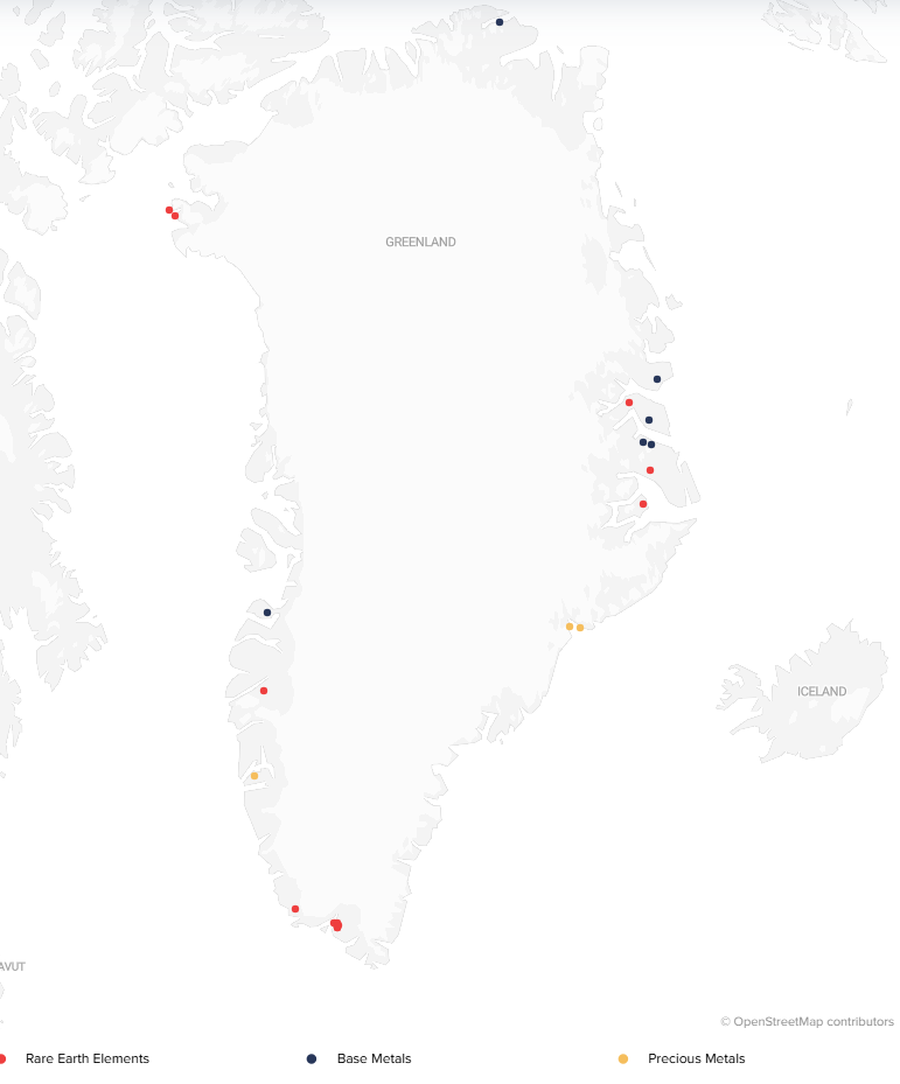
Groenlanda është gjithashtu një vend i mrekullueshëm i burimeve natyrore , me disa vlerësime që sugjerojnë se mund të ketë një rezervë të pashfrytëzuar nafte prej "31 miliardë fuçish ekuivalente me naftë në hidrokarbure, të ngjashme me të gjithë vëllimin e rezervave të provuara të naftës bruto të SHBA-së".
It is also home to one of the world's most important concentrations of rare earth minerals, as well as large deposits of iron that occur naturally within the bedrock. The Greenland government website describes the island as: "an unexplored and mineral-rich country with a competitive licensing framework, stable political environment, low investment risk, and a pro-mining population and government".
However, the routes and port facilities for extracting these are few and far between, and without the environmental regulations prevalent in Western countries, extraction could prove a pollution nightmare and create severe ecological damage. Despite the geographical challenges, it is easy to see that Greenland, like Africa in the 1880s, is no longer a hidden continent and is likely to be suitable for economic exploitation. It would certainly be more beneficial for Western/democratic countries to do this than for Russia or China, countries known for creating ecological disasters at sea and onshore following their exploitation efforts.
The island is now at the peak of what could be one of the most significant mineral extraction efforts of the past century, and it is essential that this effort be conducted under environmentally friendly regulations rather than those of authoritarian states.
The Scramble for Africa produced a colonial and geopolitical mess that has troubled the world since the end of World War II. History will undoubtedly judge Greenland's development and the treatment of its environment and people by that standard of the past.
Greenland's geopolitical and economic importance is likely to increase during the 21st century, and it is the duty of world leaders to ensure that the process proceeds in a measured and responsible manner. /Adapted from Cepa /
Dr. Steven Wills currently serves as a Naval Officer at the Center for Naval Strategy at the U.S. Navy Association. He is an expert on U.S. Navy strategy and policy. Wills has a 20-year career as an active duty U.S. Navy officer at sea and on land assignments for the Defense Intelligence Agency and NATO.




Lini një Përgjigje