


 Shkruar nga Pamfleti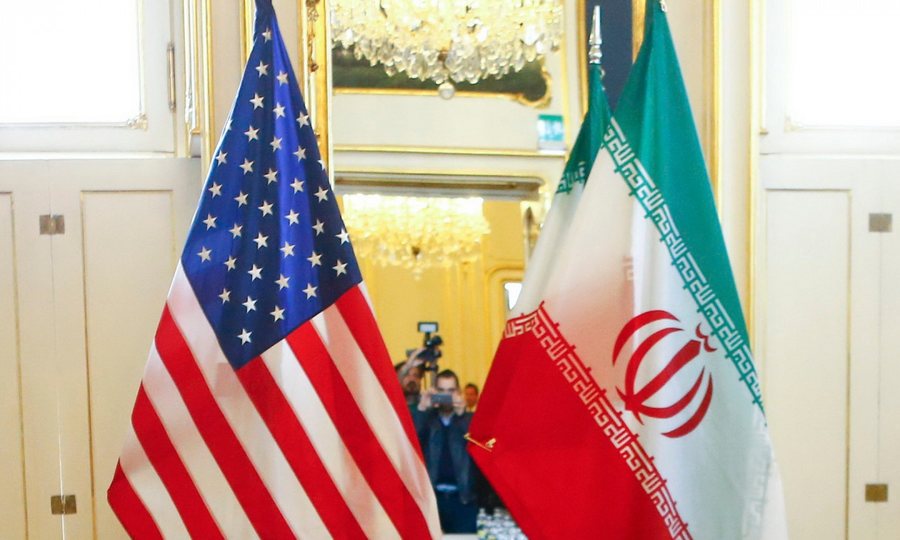
Despite disagreements over the possible agenda for the talks, US and Iranian officials confirmed that the crucial meeting between their delegations will take place in Oman...
Iranian and American officials confirmed that a meeting between their countries will take place in the Omani capital, Muscat. Earlier reports indicated that negotiations between the two sides were failing due to disagreements over the format and venue of the meeting, raising doubts about the fate of the talks.
Iranian Foreign Minister Abbas Araghchi announced that the nuclear talks are scheduled to take place on Friday in Muscat. “I am grateful to our brothers in Oman who made all the necessary arrangements,” he wrote on Twitter. White House officials also confirmed that the meeting will take place today in Oman.
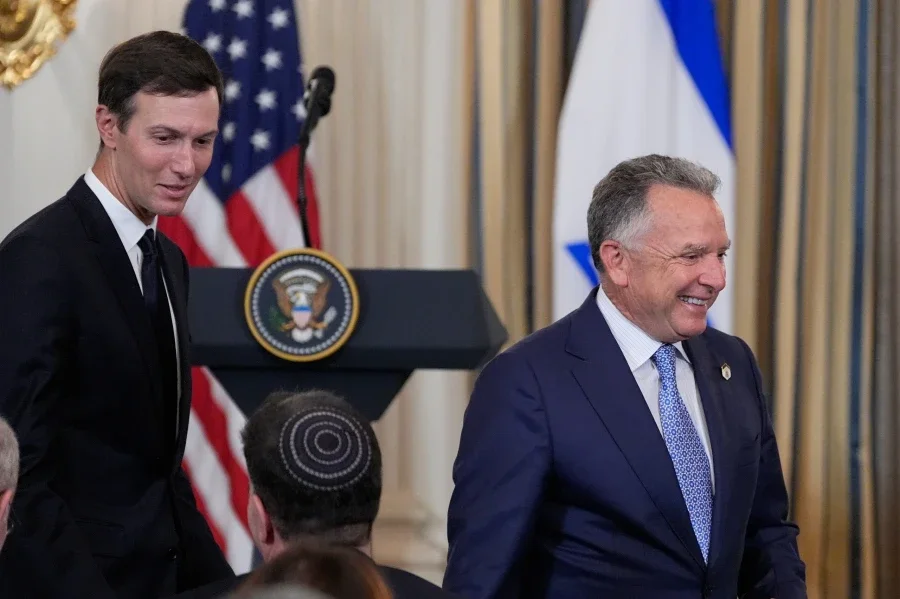
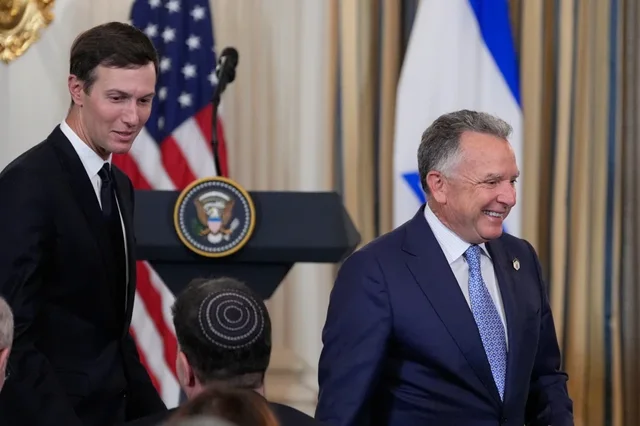
According to the Iranian news agency ISNA, the Iranian delegation will be led by Araghchi. Senior Iranian diplomats Majid Takht-Ravanchi and Kasem Gharibabadi are also taking part in the talks. ISNA reports that the American delegation will be represented by US President Donald Trump's special envoys Steve Witkoff and Jared Kushner.
Representatives from the US and Iran were initially scheduled to meet in Istanbul. However, Iran later insisted that the meeting be held in Muscat, the capital of Oman. According to the Al Jazeera news agency, a framework proposal for the meeting was drawn up by mediators from Qatar, Turkey and Egypt. The proposal reportedly includes a commitment by Iran to completely halt uranium enrichment for three years and then limit it to below 1.5 percent. The current stockpile of approximately 440 kilograms of enriched uranium would be transferred to a third country.
Fear of escalating tensions
The diplomatic efforts come amid high tensions, as the United States has concentrated forces in the Middle East and regional actors seek to avoid a military confrontation that many fear could escalate into a wider war.
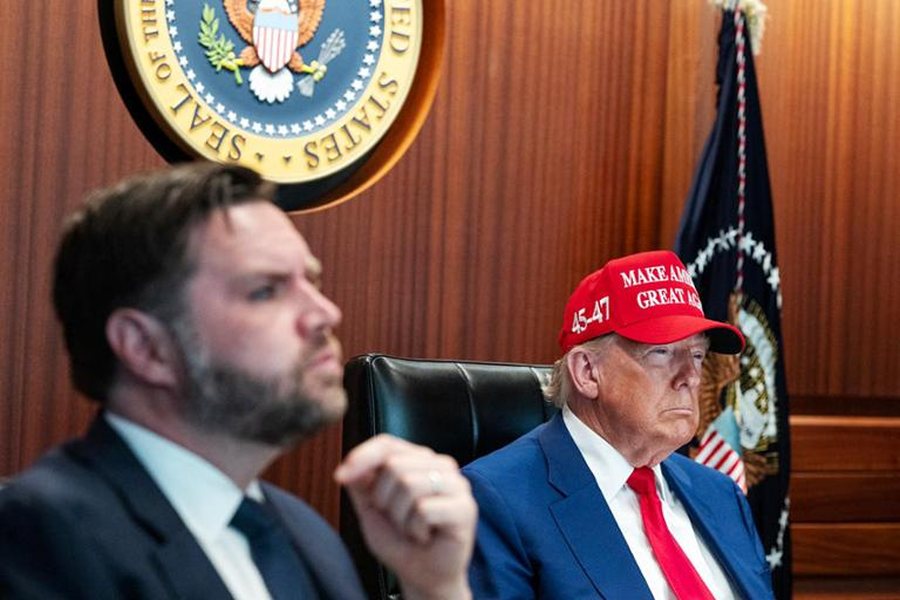
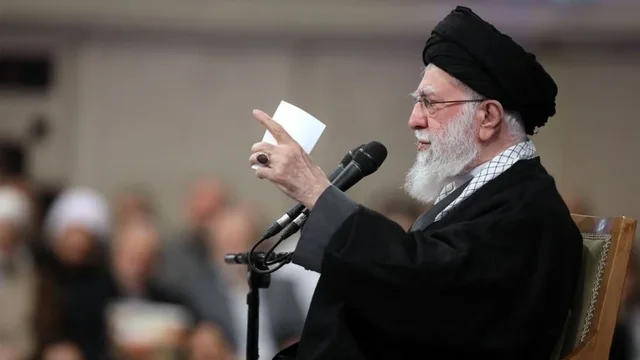
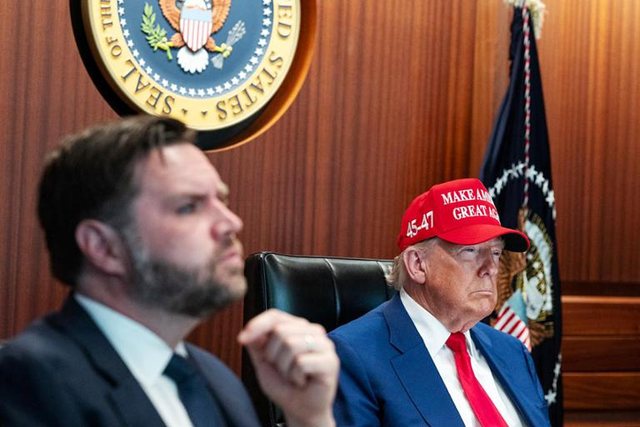
Asked on Wednesday whether Iran's supreme leader, Ayatollah Ali Khamenei, should be concerned, Trump told NBC News: "I would say he should be very concerned. Yes, he should be concerned."
He added that "they are negotiating with us," but did not provide details.
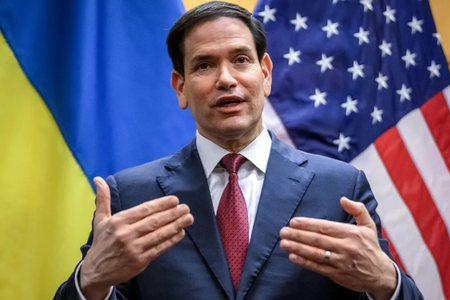
However, there is no sign that the two sides have found common ground on the agenda. Iran has demanded that the negotiations be limited to discussing its long-running nuclear dispute with the West. US Secretary of State Marco Rubio, however, presented a different view.
“Nëse iranianët duan të takohen, ne jemi gati”, u tha Rubio gazetarëve, duke shtuar se bisedimet duhet të përfshijnë gamën e raketave balistike të Iranit , mbështetjen e tij për grupet e armatosura në të gjithë Lindjen e Mesme dhe trajtimin e popullit të vet, përveç çështjeve bërthamore.
Irani: Programi i raketave jashtë diskutimit
Megjithatë, një zyrtar i lartë iranian tha se programi raketor i Iranit "është hequr nga tavolina". Një zyrtar i dytë i lartë iranian tha se Teherani do të mirëpriste negociatat mbi mosmarrëveshjen bërthamore, por këmbëngulja e SHBA-së për të adresuar çështjet jo-bërthamore mund të rrezikojë bisedimet.
Dhëndri i Trump, Jared Kushner, pritet të marrë pjesë në bisedime, së bashku me të dërguarin special të SHBA-së, Steve Witkoff, dhe ministrin e Jashtëm iranian, Abbas Araghchi, thanë zyrtarët. Ndërsa bisedimet fillimisht ishin planifikuar për në Turqi, Irani donte që takimi të zhvillohej në Oman pas bisedimeve të mëparshme të mbajtura në shtetin e Gjirit që ishin përqendruar vetëm në programin bërthamor të Teheranit, tha një zyrtar rajonal.
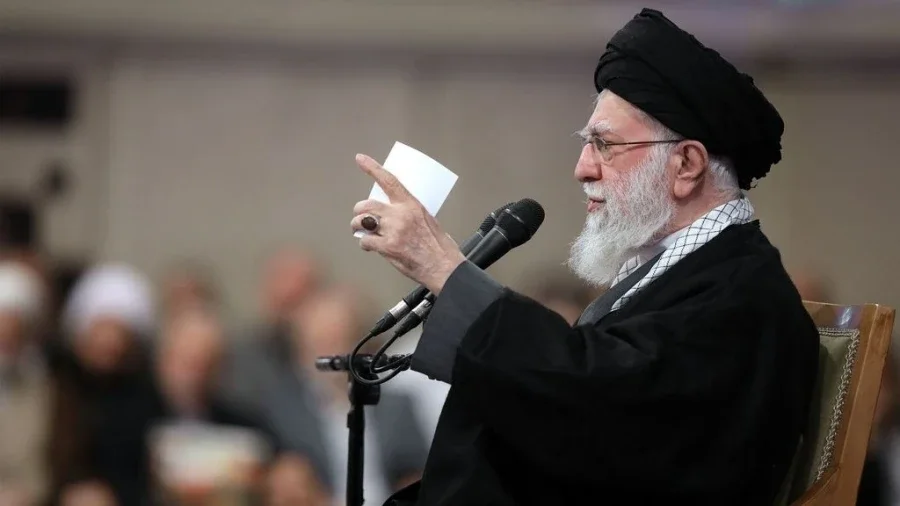
Irani thotë se aktivitetet e tij bërthamore janë paqësore, jo ushtarake, por Shtetet e Bashkuara dhe Izraeli e kanë akuzuar atë për përpjekje të mëparshme për të zhvilluar armë bërthamore. Një zyrtar i Gjirit tha se bisedimet mund të përfshijnë disa vende, megjithëse Irani ka thënë se dëshiron një format dypalësh të kufizuar në Uashington dhe Teheran.
Përpjekjet diplomatike po intensifikohen pasi Trump kërcënoi me veprime ushtarake kundër Iranit gjatë shtypjes së përgjakshme të protestuesve muajin e kaluar dhe vendosi më shumë fuqi detare në Gjirin Persik.
SHBA-të kanë dërguar mijëra trupa në Lindjen e Mesme që kur Trump kërcënoi Iranin muajin e kaluar, duke përfshirë një aeroplanmbajtëse, anije të tjera luftarake, aeroplanë luftarakë dhe spiunë dhe anije cisternash për furnizim me karburant.
Trump ende po shqyrton mundësinë e sulmit
Pasi Izraeli dhe Shtetet e Bashkuara bombarduan Republikën Islamike verën e kaluar, tensionet e reja kanë nxitur frikën midis fuqive rajonale për një raund të ri tensionesh që mund të shkaktojë kaos afatgjatë në Iran. Trump vazhdon të peshojë mundësinë e sulmit ndaj Iranit, thonë burimet, ndërsa çmimet e naftës janë rritur për shkak të tensionit.
Trump ka paralajmëruar se "gjëra të këqija" ka të ngjarë të ndodhin nëse nuk arrihet një marrëveshje , duke rritur presionin mbi Republikën Islamike në një situatë të vështirë që ka çuar në kërcënime të ndërsjella për sulme ajrore.
Udhëheqja e Iranit është gjithnjë e më e shqetësuar se një sulm i SHBA-së mund të shkatërrojë autoritetin e saj, duke i shtyrë njerëzit e zemëruar përsëri në rrugë, sipas zyrtarëve aktualë dhe ish-zyrtarë iranianë.
Irani shpreson gjithashtu për një marrëveshje që mund të ndihmojë në heqjen e sanksioneve perëndimore mbi programin e tij bërthamor, të cilat kanë dëmtuar ekonominë e tij, një shkak kryesor i trazirave të muajit të kaluar.
Iranian sources told Reuters last week that Trump had demanded three conditions for resuming talks: zero uranium enrichment in Iran, restrictions on Tehran's ballistic missile program and an end to its support for regional proxies.
Iran has long said all three demands are unacceptable violations of its sovereignty, but two Iranian officials told Reuters that its clerical leaders see its ballistic missile program, rather than uranium enrichment, as the biggest obstacle. An Iranian official said there should be no preconditions for talks and that Iran is ready to show flexibility on uranium enrichment, which it says is for peaceful, not military, purposes.
After the US strikes in June, Tehran said its uranium enrichment work had stopped. In June, the United States struck Iranian nuclear targets, joining in at the end of a 12-day Israeli bombing campaign, and Iran retaliated against Israel with missiles and drones.
Iran has said it has replenished its missile stockpiles since its war with Israel last year, warning that it will launch its missiles if its security is threatened.
Adding to the tensions, the US military on Tuesday shot down an Iranian drone that "aggressively" approached the aircraft carrier Abraham Lincoln in the Arabian Sea, the US military said, in an incident first reported by Reuters. In another incident in the Strait of Hormuz, the US Central Command said Iran's Islamic Revolutionary Guard Corps (IRGC) warned a US-flagged tanker and threatened to board it and seize it. / Pamphlet /
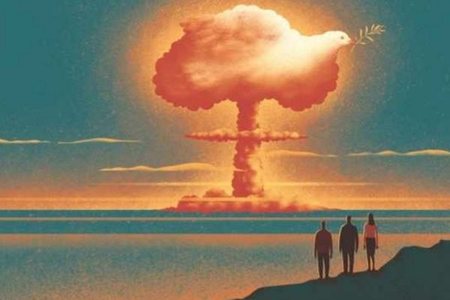



Trump është i nxitur nga lobi hebraik në SHBA për të krijuar kaos në Lindjen e Mesme. Irani nuk mund të tërhiqet. As SHBA-të nuk mund të tërhiqen. Rezultati? Lamtumirë 1/2 e popullsisë së botës. Do ta blej tunelin tim nëntokësor nga Surreli!