


 Shkruar nga Gjergj Zefi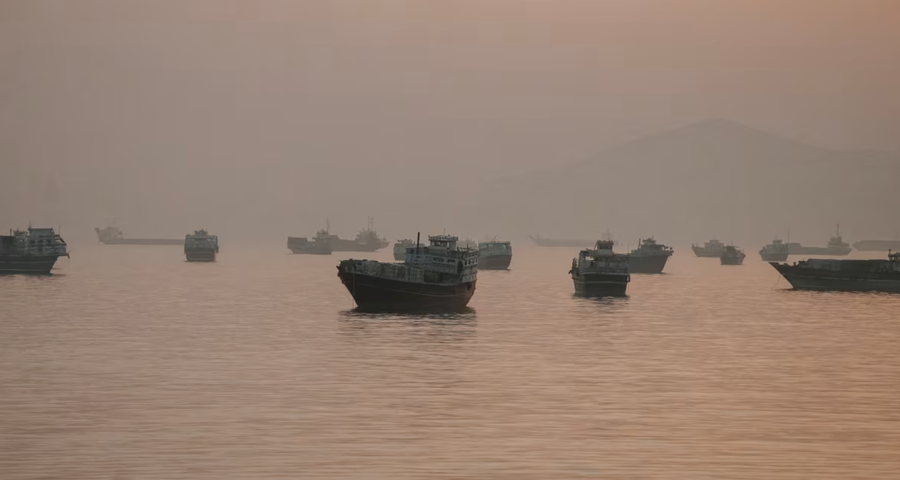
Trump backs down on 20% tariff, but not bombing; Iran threatens Gulf energy, while the world's most strategic corridor is turning from trade route to frontline...
In the Strait of Hormuz, it's not just the passage of ships that is being negotiated. It's also being negotiated, with missiles, blockades, and threats, about who has the right to set the rules of the international order.
One day, Donald Trump proposes that the United States impose a 20 percent tariff on goods passing through this strategic corridor. The next day, he backs down and declares that no one should tax shipping in Hormuz. The tariff was replaced with the promise of trade and investment deals with Gulf Arab countries. But the blockade on ships bound for Iranian ports remained in place.
So, the bill was removed, but not the weapons.
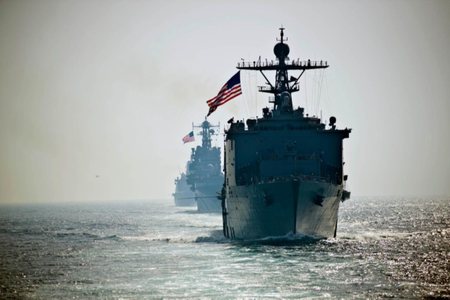
This is the contradiction that is keeping the Middle East hanging over the edge. Washington says it defends freedom of navigation, while at the same time deciding which ships can and cannot sail. Tehran claims sovereignty and the right to control the strait, but uses the threat to international shipping as an instrument of pressure. Both sides talk about security. In practice, both are using insecurity as a weapon.
Trump's withdrawal from the tariff was not a turn toward peace. It was merely the correction of an idea that risked turning the US from a guarantor of free navigation into the administrator of a military customs checkpoint.
Even the International Maritime Organization opposed imposing tariffs on passage through straits used for international shipping. The problem was not just economic. Accepting a US tariff would give Iran the perfect argument: if Washington can demand payment for the “defense” of Hormuz, why can’t Tehran demand payment for its “sovereignty”?
Thus, an idea pitched as a financial mechanism could have legitimized precisely the Iranian claim that the US seeks financial hegemony.
But while the tariff was abandoned, the war continued.
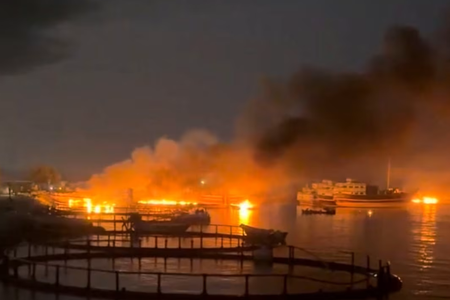
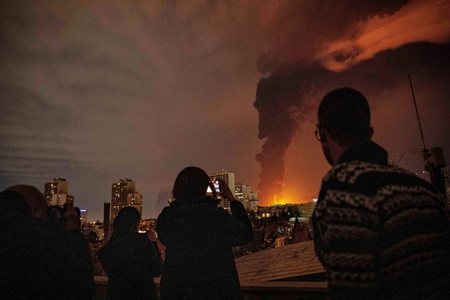
Today, July 15, the US Central Command announced the end of a new wave of attacks on Iran, while Iranian media reported explosions in southern cities and on islands near the coast. At the same time, clashes were reported between US and Iranian forces in the Strait of Hormuz. Trump stated that the attacks will continue until he himself decides that they are enough, mentioning bridges, power plants and energy infrastructure as possible targets.
This is no longer the language of a limited operation. It is the language of a war without a set deadline, tied not to an agreement, resolution, or measurable objective, but to the personal will of the American president.
And here the great danger begins.
A conflict may begin with stated military objectives, but once power plants, bridges, ports, and energy routes are included in the list, the line between strategic pressure and economic devastation becomes increasingly blurred. On the other hand, the Iranian Revolutionary Guard has threatened that if Iran’s exports are blocked, the energy exports of the rest of the region could also be stopped.
The message is brutal: either let us sell our oil, or no one will sell theirs.
Thus, Hormuz is becoming a double blackmail mechanism. The US uses its military superiority to isolate Iran. Iran uses its geographical position to threaten the world economy. The Gulf Arab countries, even when they do not want to be part of the conflict, find themselves between US bases, Iranian missiles and the fear that their energy infrastructure could become a target.
In this clash, there is no clear winner.
Trump may declare that the US is defending Hormuz for the world. But defending a trade corridor cannot be separated from the consequences of the bombings that surround it. Tehran may claim that it is defending national sovereignty. But sovereignty does not give anyone the right to hold hostage the energy supplies of other countries.
Meanwhile, markets have understood before diplomats that Hormuz is no longer a crossing point but a risk premium. Oil prices rose as attacks, blockades and the threat of tariffs disrupted shipping; they only partially receded after Trump abandoned the tariff plan.
Therefore, Trump’s tariff reversal should not be read as a sign of moderation. It is a tactical move within a strategy that remains deeply military. Nor are Iran’s declarations of resistance diplomacy. They are warnings that Tehran is willing to extend the cost of the conflict beyond its borders.
Peace is not built by imposing tariffs today and threatening power plants tomorrow. Nor is it built by undermining navigation, attacking ships, or threatening to cut off the power of an entire region.
Peace requires an agreement where neither the US nor Iran treats Hormuz as strategic property. The strait must remain what it is according to its international function: an open corridor, not a payment box; a trade route, not a border of war.
But for now, both sides are seeking control, not compromise.
Trump waived tariffs, but not blockades. Iran talks sovereignty, but threatens shipping. Bombings continue, missiles respond, and diplomacy trails behind fighter jets, trying to put out a fire that politics continues to fuel.
There is no peace in Hormuz./ Pamphlet




Lini një Përgjigje