


 Shkruar nga Pamfleti
The standoff between the United States and Iran has returned with high intensity, calling into question the memorandum of understanding reached between the two countries last month. Despite diplomatic efforts, developments in recent days indicate that the de facto ceasefire has ended.
Tensions flared again on June 25, when Iran attacked a merchant ship in the Strait of Hormuz. A day later, the US military launched strikes on Iranian military targets near the strategic sea route. On June 27, the Islamic Revolutionary Guard Corps (IRGC) announced that it had struck US military positions, and Washington responded with another wave of strikes.
Although on June 28, a Trump administration official told CNN that both sides would "stand down for the time being," the situation escalated again during July.
On July 1 , US and Iranian delegations held indirect negotiations in Doha, Qatar, which local authorities described as a "positive development." However, just days later, Iran attacked three merchant ships near the Strait of Hormuz, and US Central Command (CENTCOM) announced a military response.
On July 8 , Tehran warned of a "devastating response" to the US attacks. The Revolutionary Guards said they had targeted 85 US military targets in Bahrain and Kuwait. That same day, President Donald Trump declared the memorandum of understanding "over," as the US launched new strikes.
The following day, Iranian authorities reported the strike on a railway bridge in the north of the country, while CENTCOM announced that it had attacked about 90 Iranian military targets. Despite the fighting, American sources said that technical contacts on the nuclear issue were continuing.
On July 10 , Trump confirmed that talks with Iran would continue, but warned that the ceasefire was no longer in effect. On the same day, the US administration imposed new sanctions on Tehran.
A day later, the Iranian foreign minister accused the US of violating the memorandum of understanding, while on July 12 the Revolutionary Guard announced the closure of the Strait of Hormuz after an incident with a merchant ship. The US military insisted that the sea route remained open and continued military operations.
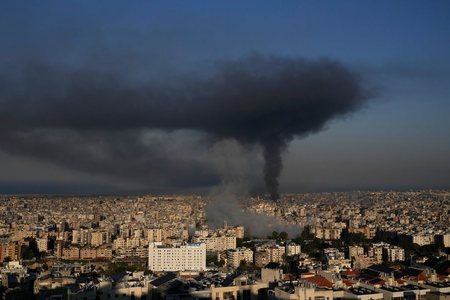
The US attacks continued on July 13 and 14. Iranian media reported civilian casualties, while the Revolutionary Guards claimed to have hit two supertankers, which they described as "rogue ships." British authorities confirmed that two tankers reported being hit by missiles while passing through the Strait of Hormuz.
On July 15 , Iran said that more than 30 civilians had been killed in US strikes in recent days. In response, Tehran announced that it had targeted US military infrastructure in Kuwait, Bahrain and Jordan, signaling a new phase of escalation in the conflict.






Lini një Përgjigje