


 Shkruar nga Pamfleti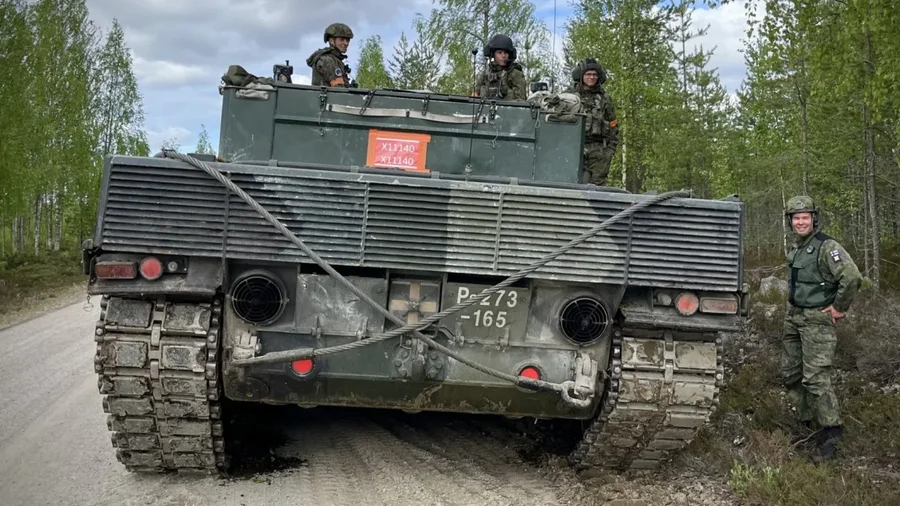
Historical experience with Russian aggression has led Finland to build a security system that encompasses the whole of society. Some British experts argue that the United Kingdom should take an example from this model…
Finland, which shares a 1,340-kilometer border with Russia, has built a unique national security model over decades that relies not only on the military but on society as a whole. According to official guidelines, Finnish citizens should have at least three days' worth of basic supplies at home, including bottled water, food, medicine, a radio, flashlights and other emergency supplies.
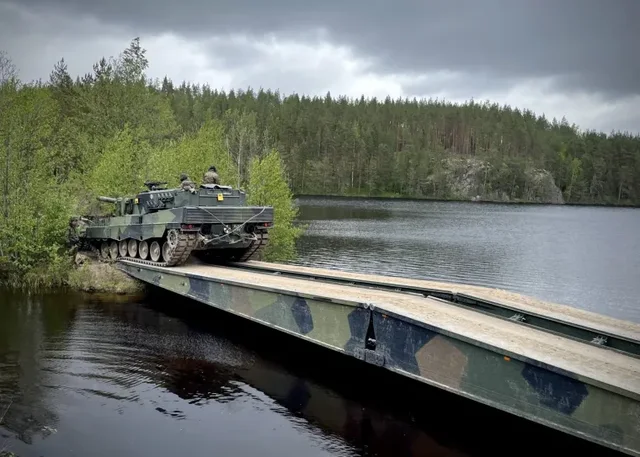
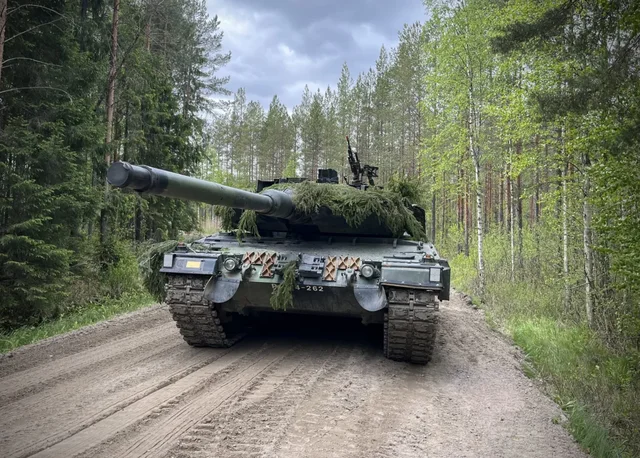
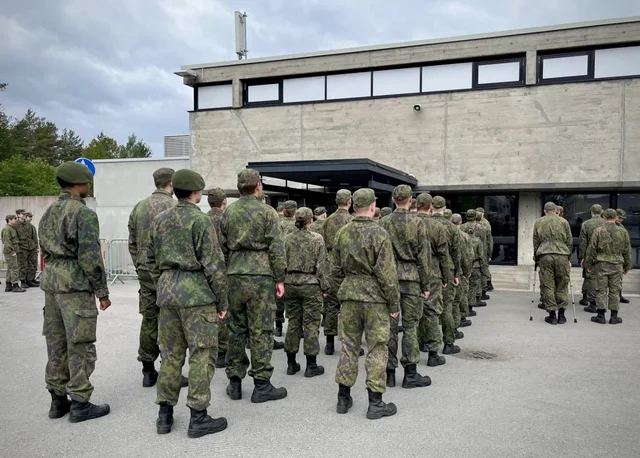
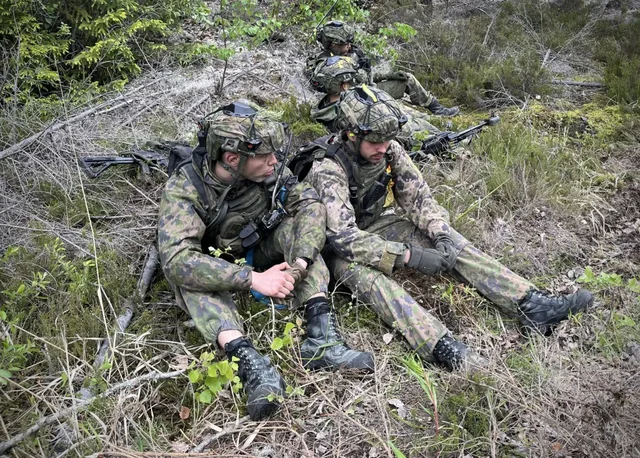
Military service is compulsory for men and voluntary for women. Every year, around 20,000 young men complete their service, choosing between military duties or civilian service in public institutions such as schools and hospitals. After completing their service, conscripts are automatically transferred to the reserve forces. This system gives Finland the ability to mobilize approximately one million people in case of need, almost 20 percent of the country's population.
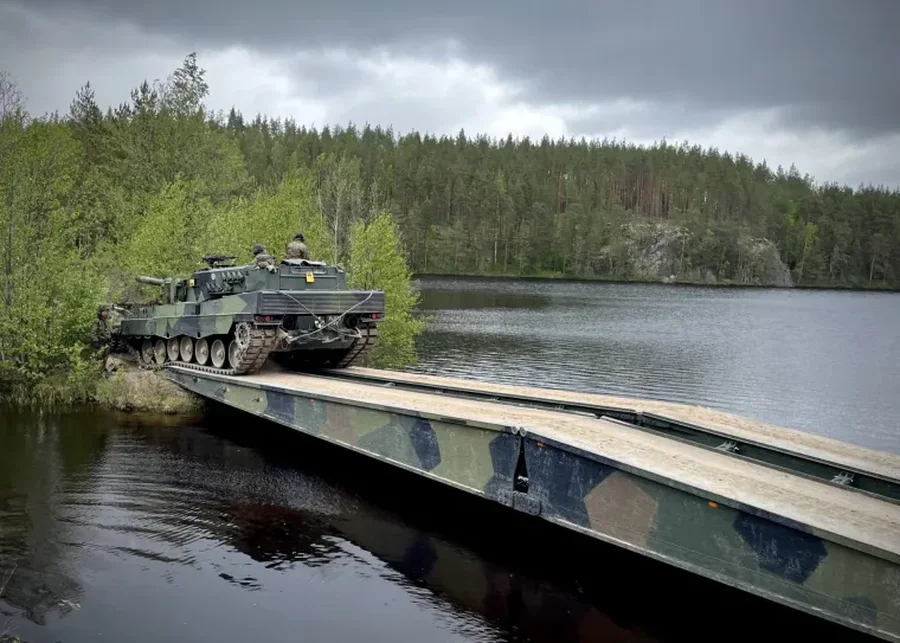
However, the Finnish concept of security goes beyond the armed forces. State institutions, private businesses, voluntary organizations and local communities cooperate to ensure the functioning of society during crises, whether in the event of war, natural disasters or hybrid attacks.
The Finnish Security Committee emphasizes that citizens not only have the right to security, but also the responsibility to contribute to its strengthening. According to this principle, every individual is considered an important actor in the defense of the country.
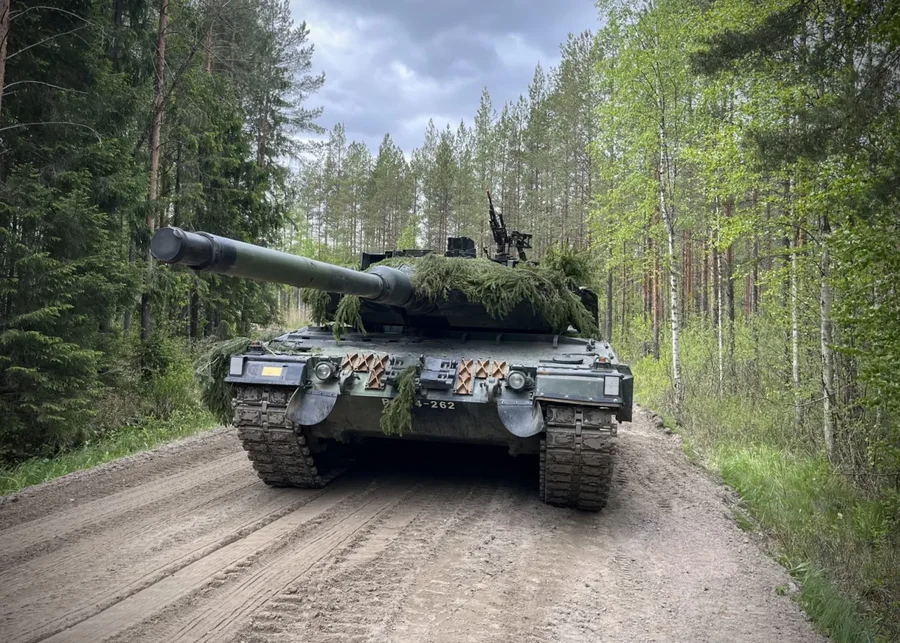
The government has defined 56 strategic tasks that must be fulfilled to maintain national preparedness, from protecting the healthcare system to maintaining public morale. Various ministries, private companies, and civil society organizations are engaged in their implementation.
Petteri Korvala, Secretary General of the Finnish Security Committee, stated that most of the critical functions of society, such as energy, communications, logistics and transport, are managed by the private sector. For this reason, cooperation between the state and business is considered essential for national security.
The Security Committee, which includes ministers, senior officials, and military leaders, meets monthly to coordinate preparedness policies and harmonize inter-institutional actions.
Brigadier Ari Laaksonen describes this model as the "backbone of national resilience." According to him, military forces regularly train with the police and other civilian institutions to ensure a coordinated response to emergency situations.
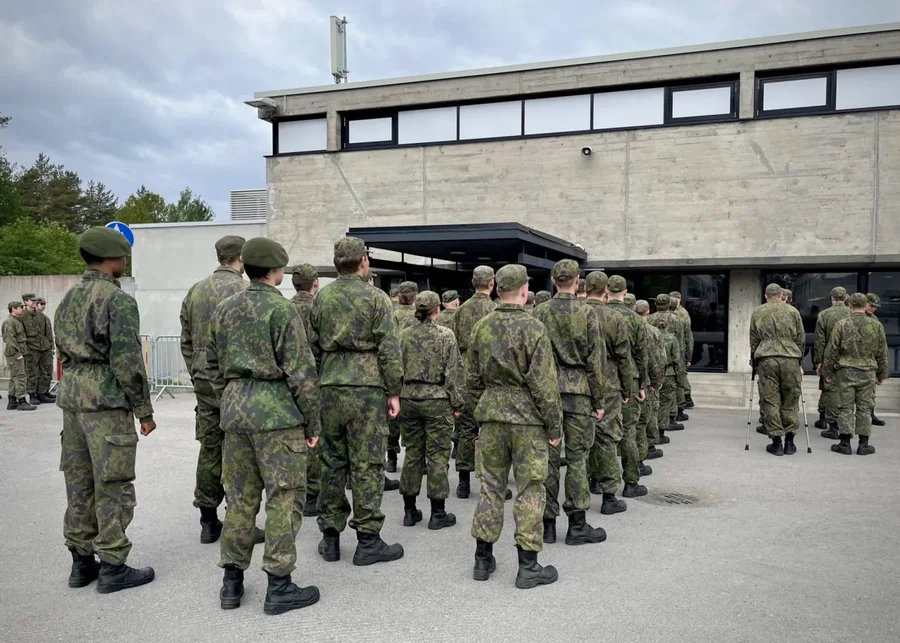
Polls show that around 78 percent of young Finnish people would be willing to defend their country if necessary. This figure contrasts sharply with the UK, where a survey last year found that only 11 percent of young people would fight for their country, while 41 percent said they would not take up arms under any circumstances.
Colonel Ari Maatta, deputy commander of the Karelia Brigade, links this readiness to Finland's history. In 1939, the Soviet Union invaded Finland, which was forced to surrender about 11 percent of its territory.
According to him, military service has been part of the Finnish national identity for more than a century. Almost every family has had members who have served in the military or contributed to the defense of the country.
He emphasizes that the current system is built for war and major crisis situations, while recent developments in Europe have shown that Finland is better prepared than many other countries to face potential threats.
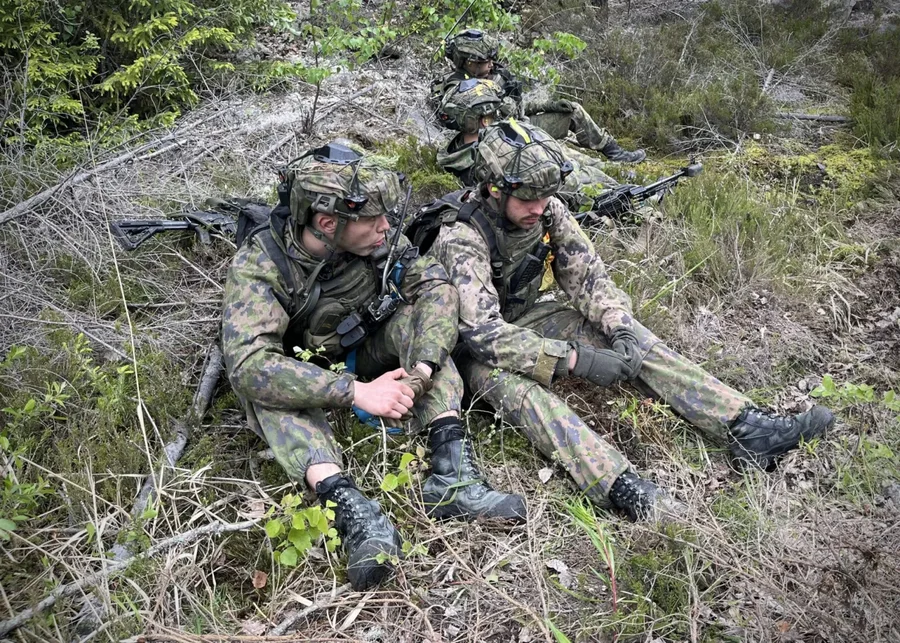
The debate about adopting elements of the Finnish model is also taking place in the UK. Former British Defence Secretary Tobias Ellwood has proposed a form of national service that would offer young people the opportunity to choose between military and civilian service.
According to him, the new generation can contribute to modern fields such as artificial intelligence, cybersecurity, the fight against disinformation, and the protection of critical infrastructure.
Ellwood argues that a model similar to the Finnish one would help citizens understand what role they can play in the event of crises, from floods to cyberattacks.
He believes that one of the main factors in Finland's success is the collective awareness that every citizen has a role in defending the country. According to him, this general readiness also serves as a deterrent against potential adversaries. /Adapted from The Telegraph Pamphlet /




Lini një Përgjigje